
Loading, please wait...
LOT 0716
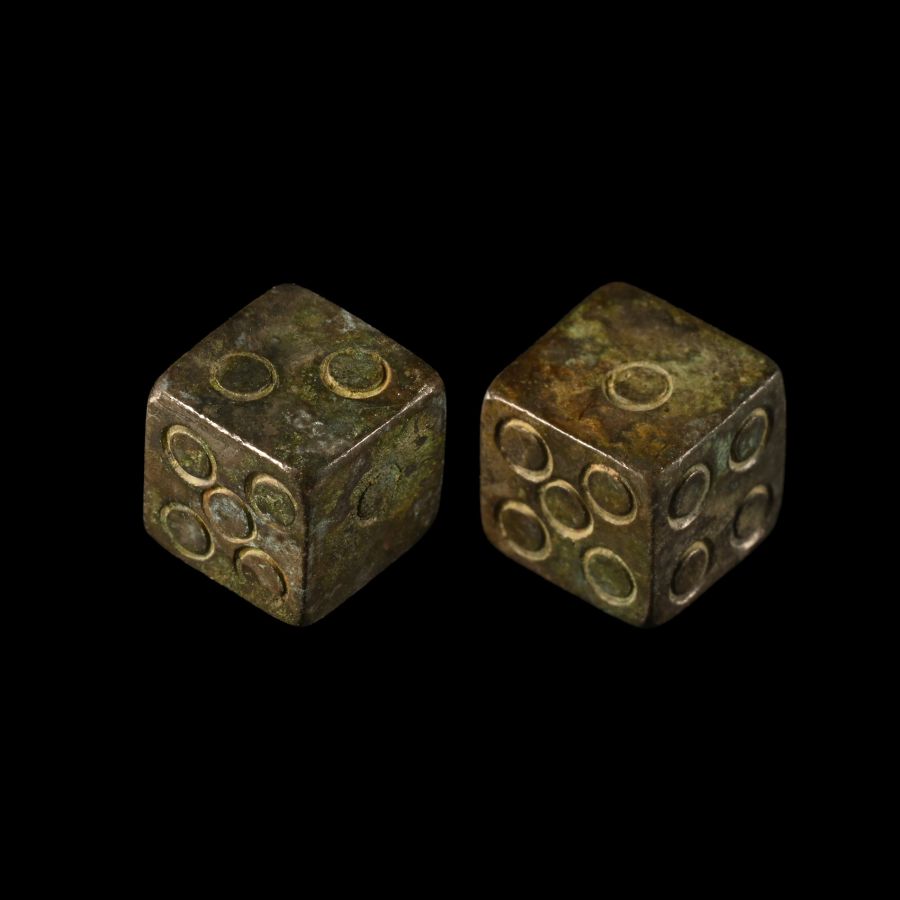
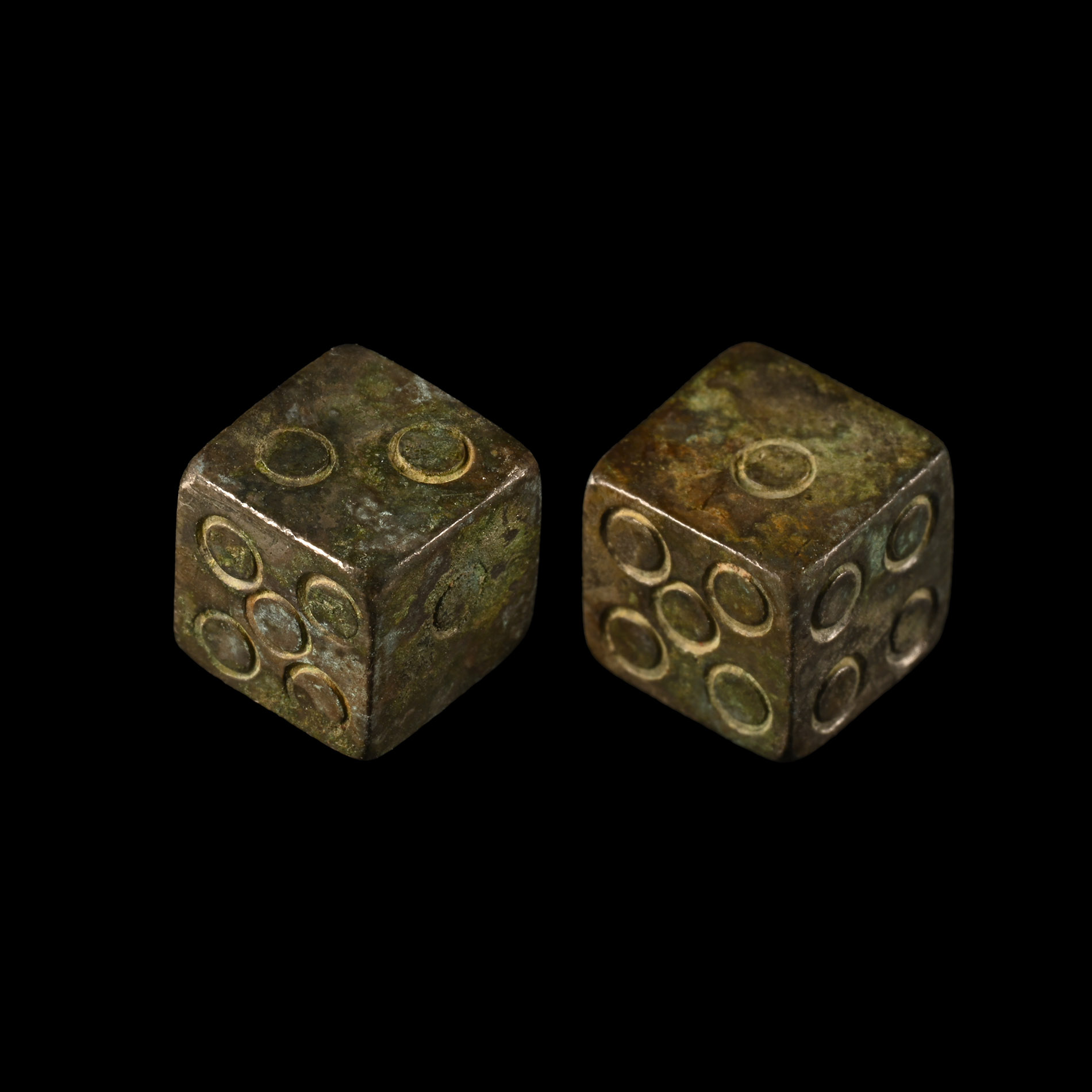
Roman Silver Gaming Dice Pair
1ST-4TH CENTURY A.D.
3/8 in. (11 grams total, 8.55 mm).
Each cuboid with ring-and-dor markings disposed: 1:6, 2:4, 3:5. [2]
ProvenanceEx German art market, 2000s.
Acquired from an EU collector living in London.
From the collection of Surrey, UK, gentleman.
TimeLine Auctions follows a vetting process to ensure the authenticity and legality of all items, reinforcing our commitment to integrity and responsible trading. Each antiquity, antique, and coin lot undergoes thorough examination by a vetting committee of at least ten external specialists, professional trade association members, scientists, and archaeologists: Our Vetting Process
AUCTIONS:
TimeLine is a leading auction house specialising in antiquities, ancient art, collectables, natural history, coins, medals, and books. Our auctions offer museums, collectors, historians, and enthusiasts the opportunity to acquire unique and historically significant pieces.
-
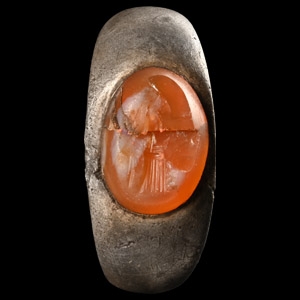
Roman Silver Ring with Bust Gemstone
2nd-3rd century A.D.Sold for (Inc. bp): £572
With broad tapering plaque, inset carnelian intaglio of a profile bust; intaglio repaired. 8.92 grams, 25.80 mm overall, 20.28 mm internal diameter (approximate size British G, USA 3 1/2, Europe 4.92, Japan 4)
Acquired on the London art market in the late 1980s-1990s. From the family collection of an East London, UK, gentleman. -
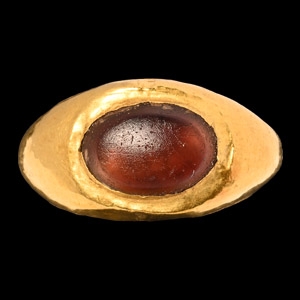
Roman Gold Ring with Cabochon
Circa 2nd-3rd century A.D.Sold for (Inc. bp): £494
Hollow-formed with inset glass cabochon. 2.26 grams, 21.59 mm overall, 16.60 mm internal diameter (approximate size British I 1/2, USA 4 1/2, Europe 8.07, Japan 7)
Acquired between the 1960s-early 1990s. From an old UK private collector from Worthing, West Sussex, UK. Property of K.P., a Cornish lady collector, UK. -
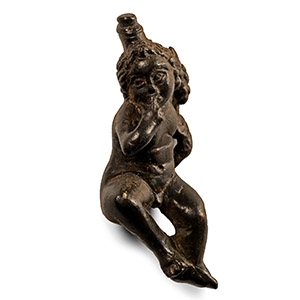
Roman Bronze Harpokrates-Eros Statuette
Circa 2nd-3rd century A.D.Sold for (Inc. bp): £546
Seated nude wearing the double-crown and with his forefinger pressed to his lips; supporting a frond on his left arm; hollow to the underside. 48 grams, 56 mm
From a collection acquired on the UK art market from various auction houses and collections mostly before 2000. From an important Cambridgeshire estate; thence by descent.
Harpokrates was the Greek interpretation of the Egyptian god Har-pa-khered (Horus the child), usually depicted as a small boy. Statues of Harpokrates are preserved in the Greco-Roman Museum of Alexandria (inv.25785), and at the Musei Capitolini, Rome (inv. Scu 646).
