
Loading, please wait...
LOT 0876
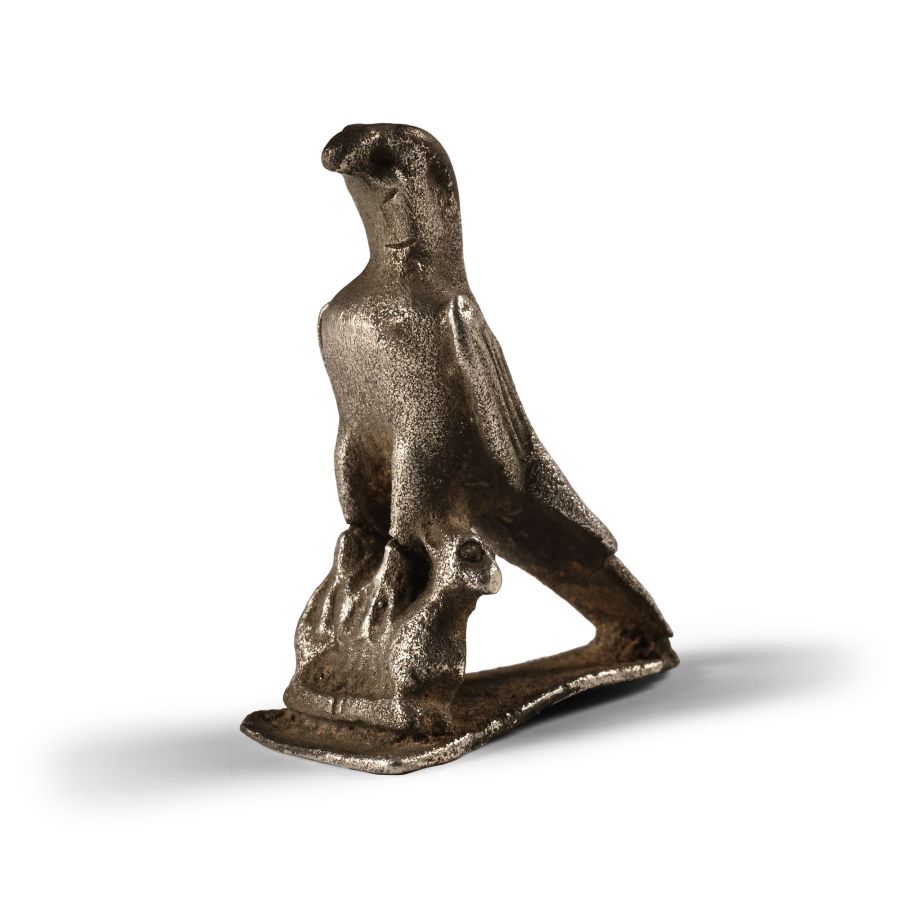
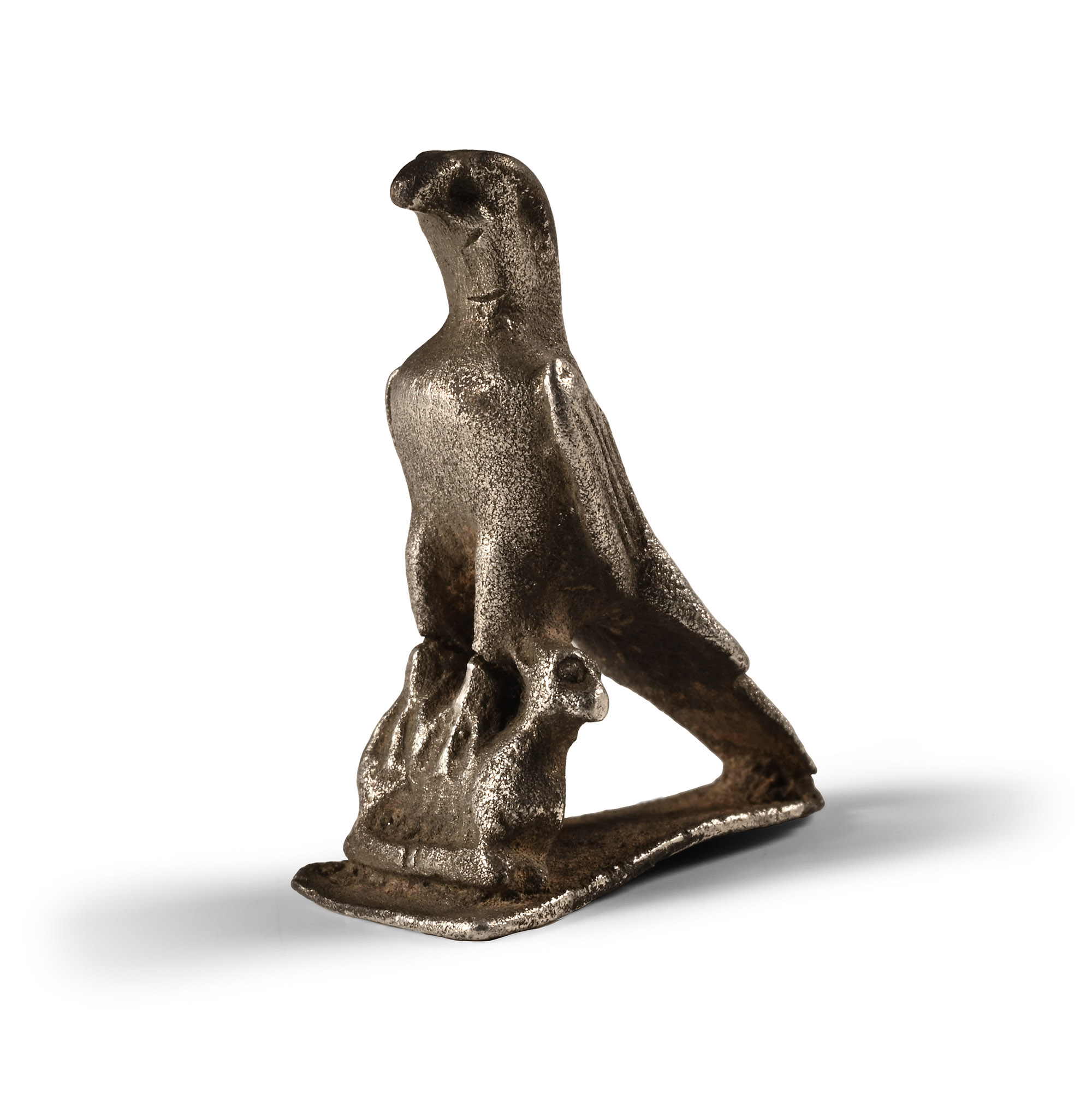
Roman Silver Eagle and Lamb Mount
1ST-4TH CENTURY A.D.
1 in. (8.53 grams, 27 mm).
Modelled in the round on a trapezoidal plaque, the eagle gripping a lamb in its powerful claws, head raised and wings crossed; suspension loop absent.
ProvenanceAcquired in the mid 1980s-1990s.
From the family collection of Mr S.A., Switzerland, thence by descent.
Private collection since the late 1990s.
TimeLine Auctions follows a vetting process to ensure the authenticity and legality of all items, reinforcing our commitment to integrity and responsible trading. Each antiquity, antique, and coin lot undergoes thorough examination by a vetting committee of at least ten external specialists, professional trade association members, scientists, and archaeologists: Our Vetting Process
AUCTIONS:
TimeLine is a leading auction house specialising in antiquities, ancient art, collectables, natural history, coins, medals, and books. Our auctions offer museums, collectors, historians, and enthusiasts the opportunity to acquire unique and historically significant pieces.
-
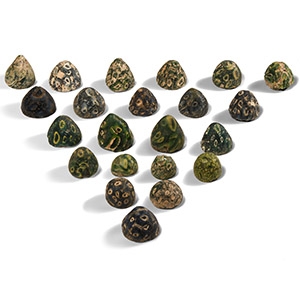
Roman and Later Mosaic Glass Gaming Piece Collection
1st-9th century A.D.Sold for (Inc. bp): £1,560
Set of conical and domed multi-coloured glass studs. 240 grams total, 16-25 mm
London private collection, acquired between 1979-1983. -
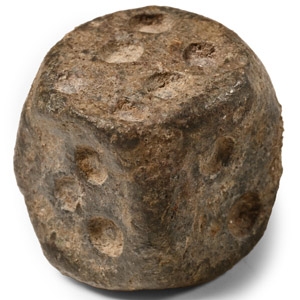
large Roman Lead Gaming Dice
1st-4th century A.D.Sold for (Inc. bp): £85
Cuboid with irregular impressed point markings disposed 1:3, 2:4, 5:6. 20 grams, 14 mm
Acquired 21 July 1997. From the important private collection of dice and gaming pieces of Colin Narbeth, London, UK, collection no.89. Accompanied by a Colin Narbeth catalogue identification slip. -
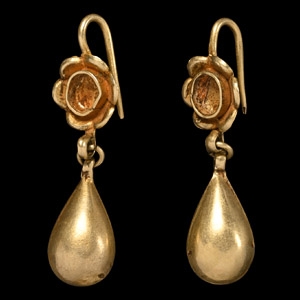
Roman Gold Drop Earring Pair
3rd-4th century A.D.Sold for (Inc. bp): £624
Matched pair, each an ellipsoid cell with rosette surround, hook to the reverse, hollow teardrop dangle below. 4.17 grams total, 37-38 mm
Ex European private collection, 1990s. Acquired from a London, UK, gallery. property of an Essex gentleman.
