
Loading, please wait...
LOT 0704
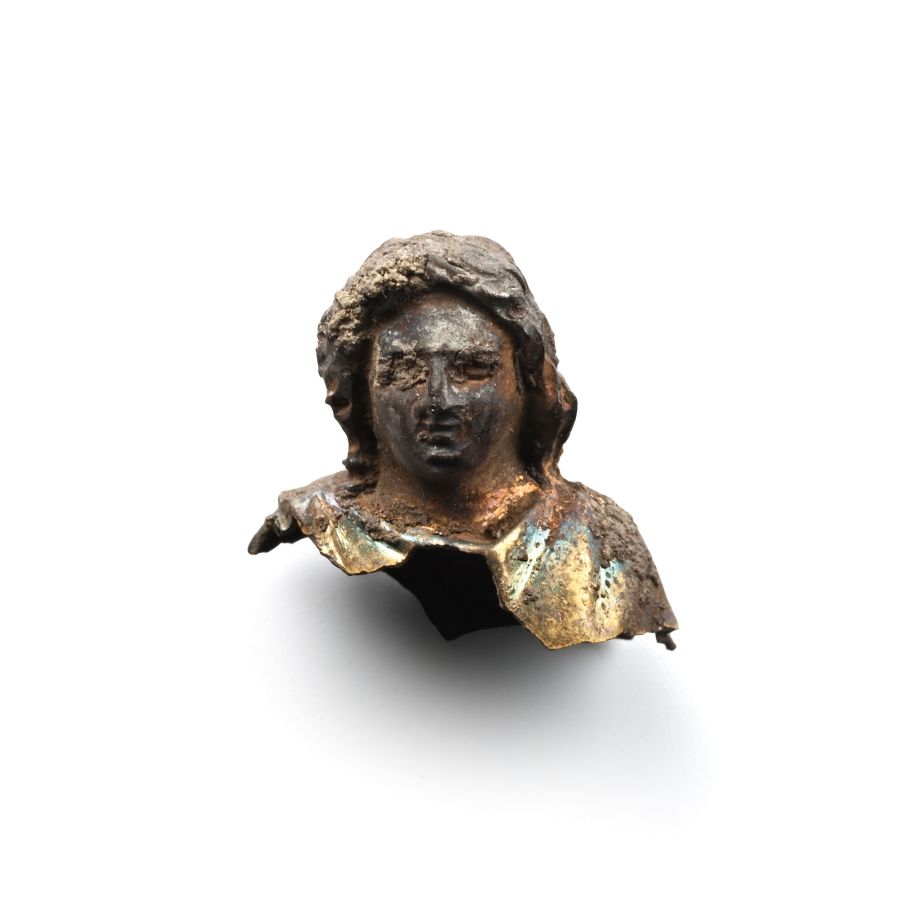
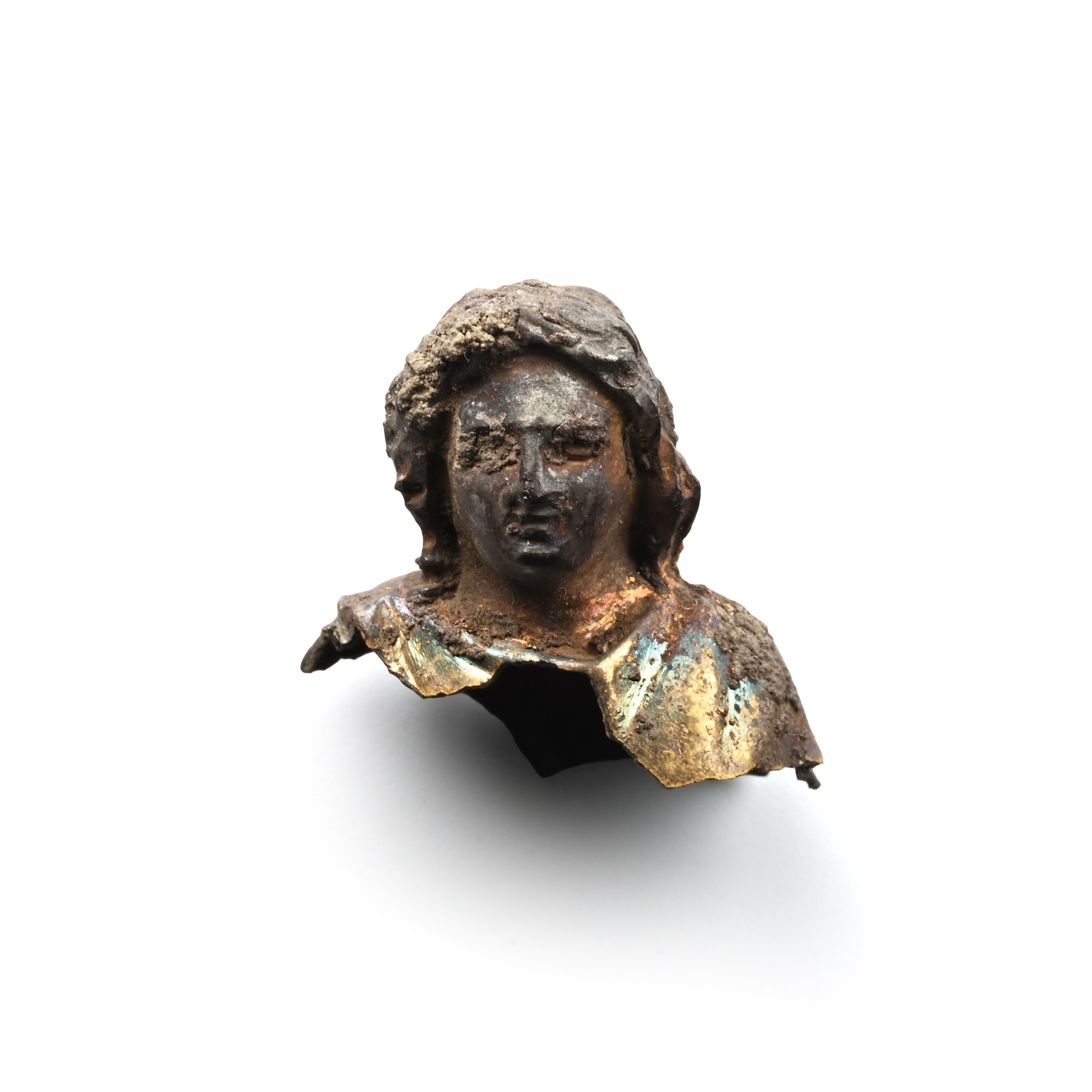
Roman Silver Bust Fragment
1ST-3RD CENTURY A.D.
3/4 in. (1.65 grams, 19 mm).
Hollow-formed male bust modelled in the round with curly shoulder-length hair and wearing a travelling cloak (pallium); possibly depicting Alexander the Great.
ProvenancePrivate collection, Switzerland, 1992.
Thence by descent.
Private collection, since the late 1990s.
This lot is accompanied by an illustrated lot declaration signed by the Head of the Antiquities Department, Dr Raffaele D'Amato.
TimeLine Auctions follows a vetting process to ensure the authenticity and legality of all items, reinforcing our commitment to integrity and responsible trading. Each antiquity, antique, and coin lot undergoes thorough examination by a vetting committee of at least ten external specialists, professional trade association members, scientists, and archaeologists: Our Vetting Process
AUCTIONS:
TimeLine is a leading auction house specialising in antiquities, ancient art, collectables, natural history, coins, medals, and books. Our auctions offer museums, collectors, historians, and enthusiasts the opportunity to acquire unique and historically significant pieces.
-
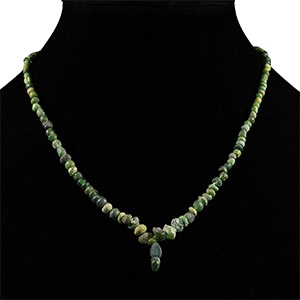
Roman Green Glass Bead Necklace String
1st-4th century A.D. and laterSold for (Inc. bp): £46
Restrung group of cylindrical, biconical and other beads. 14.4 grams, 36.5 cm
Ex London, UK, collection, 1990s. This lot is accompanied by an illustrated lot declaration signed by the Head of the Antiquities Department, Dr Raffaele D'Amato. -
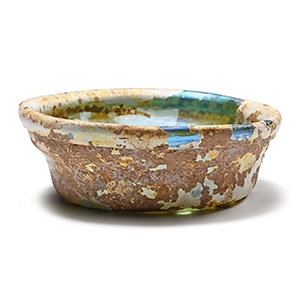
Roman Glass Bowl with Fine Iridescence
1st-4th century A.D.Estimate: £700 - 900 (+bp*)
Opening Bid: £375
Squat in profile with domed base and rolled rim; 183 grams, 11.6 cm wide
From an important London collection of glass, 1990s. This lot is accompanied by an illustrated lot declaration signed by the Head of the Antiquities Department, Dr Raffaele D'Amato. -
.jpg)
Roman Terracotta Female Figure on Pedestal Base
2nd century B.C.Sold for (Inc. bp): £845
Dressed in voluminous robes with pleating to the undergarment, the figure depicted in contrapposto position with her weight on the left leg and right leg bent at the knee, a square pillar flanking the right leg; both arms raised with the open palms facing upwards; standing on a square pedestal; hollow form. 266 grams, 22 cm
Ex London gallery, UK, 1980s. Ex private UK collection. This lot is accompanied by an illustrated lot declaration signed by the Head of the Antiquities Department, Dr Raffaele D'Amato.
The figure represents a woman caught in the act of offering; originally, she probably had a patera and a gift in the other hand. The statuette has a plain back as it probably was intended to be placed in a shrine inside a votive deposit. In the now empty space there could have been a name and a painted dedication.
