
Loading, please wait...
LOT 0756
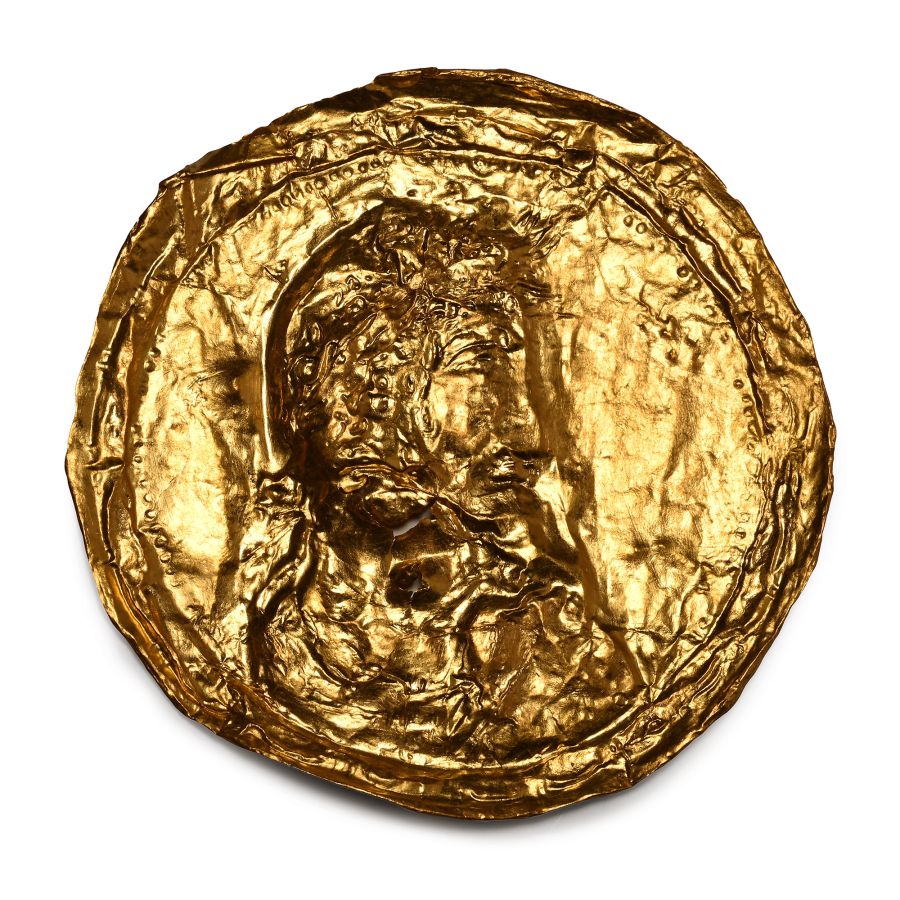
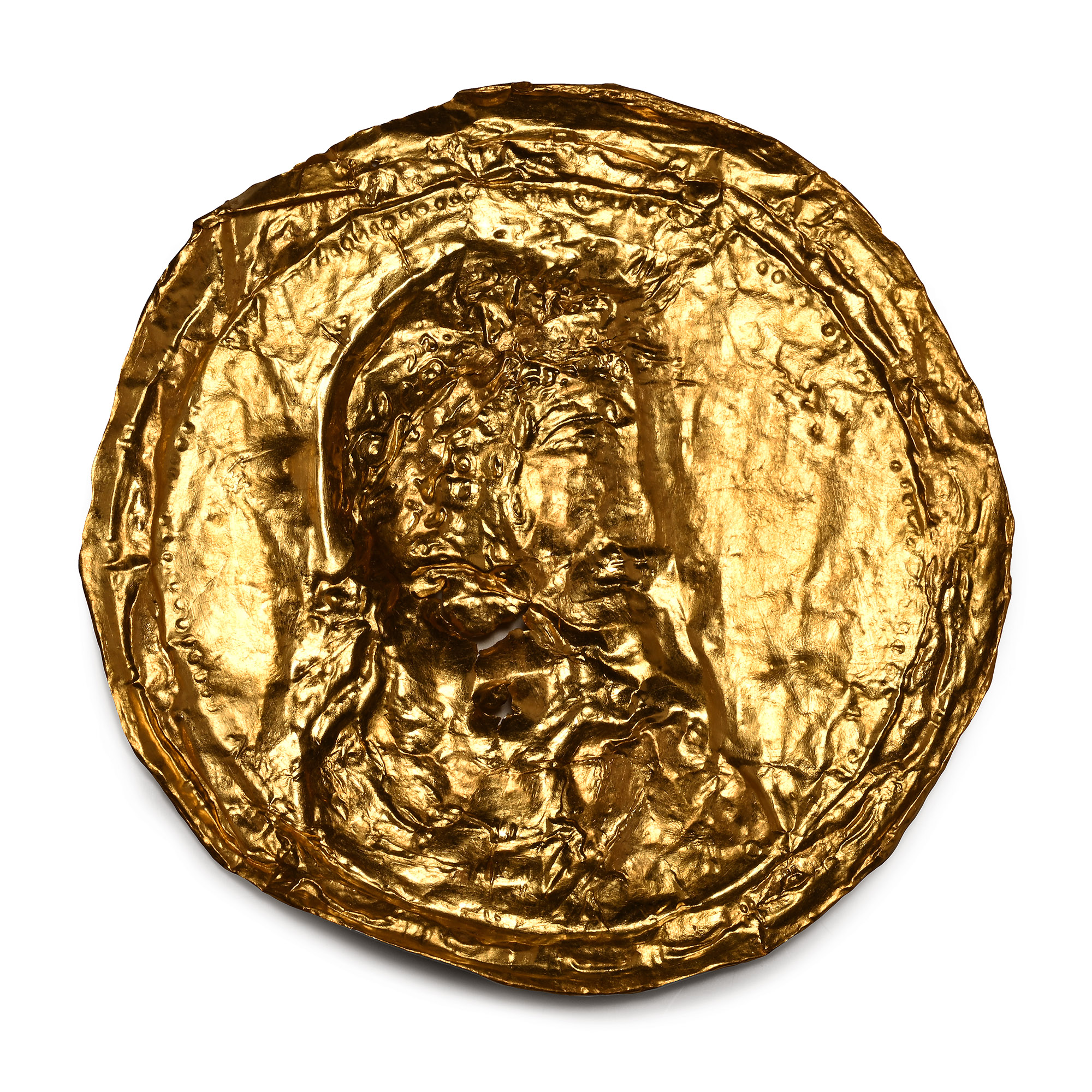
Roman Sheet-Gold Phalera Cover with Imperial Bust
4TH-6TH CENTURY A.D.
2 1/2 in. (3.46 grams, 64 mm).
Discoid appliqué with beaded rim and a repoussé imperial bust to the centre, the bearded male looking right and wearing a laurel wreath and a military cloak. [No Reserve]
ProvenanceAcquired in the early 1990s.
From the collection of a London antiquarian.
Accompanied by an academic report by Dr Raffaele D'Amato.
Cf. Sannazzaro, M., Giostra, C., Petala Aurea, Gold-Sheet-work of Byzantine and Lombard Origin from the Rovati Collection, Truccazzano, 2014, no.10, for a circular gold sheet with imperial image.
FootnotesThe subject is represented as an imperator or field general, recalling the image of a victorious emperor, iconography widely in use in the late Roman Empire.
CONDITIONTimeLine Auctions follows a vetting process to ensure the authenticity and legality of all items, reinforcing our commitment to integrity and responsible trading. Each antiquity, antique, and coin lot undergoes thorough examination by a vetting committee of at least ten external specialists, professional trade association members, scientists, and archaeologists: Our Vetting Process
AUCTIONS:
TimeLine is a leading auction house specialising in antiquities, ancient art, collectables, natural history, coins, medals, and books. Our auctions offer museums, collectors, historians, and enthusiasts the opportunity to acquire unique and historically significant pieces.
-
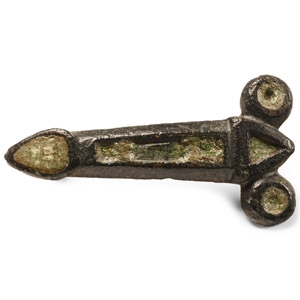
Roman Enamelled Bronze Phallic Mount
2nd century A.D.Sold for (Inc. bp): £195
With segmented enamelled cells to the obverse, two attachment studs to the reverse. 3.8 grams, 33 mm
Found West Row, Mildenhall, Suffolk, UK. Property of a Kent lady collector. -
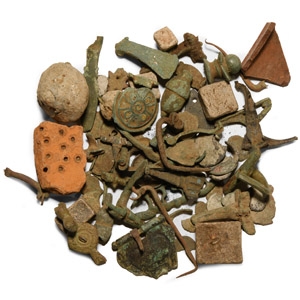
Roman Artefact Group
1st-4th century A.D.Sold for (Inc. bp): £59
Including lead weights, acorn finial, Colchester-type bow brooch and other items. 547 grams total, 7-53 mm
Found Cambridgeshire, UK. -
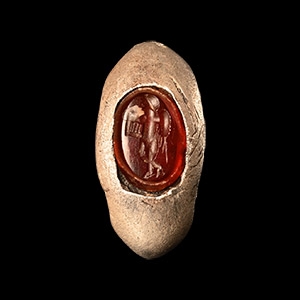
Roman Silver Ring with Eros Gemstone
2nd-3rd century A.D.Sold for (Inc. bp): £364
With broad plaque, inset carnelian gemstone with intaglio winged Eros, possible marriage. 8.18 grams, 24.38 mm overall, 16.87 mm internal diameter (approximate size British I 1/2, USA 4 1/2, Europe 8.07, Japan 7)
Ex German art market, 2000s. Acquired from an EU collector living in London. From the collection of Surrey, UK, gentleman.
