
Loading, please wait...
LOT 0772
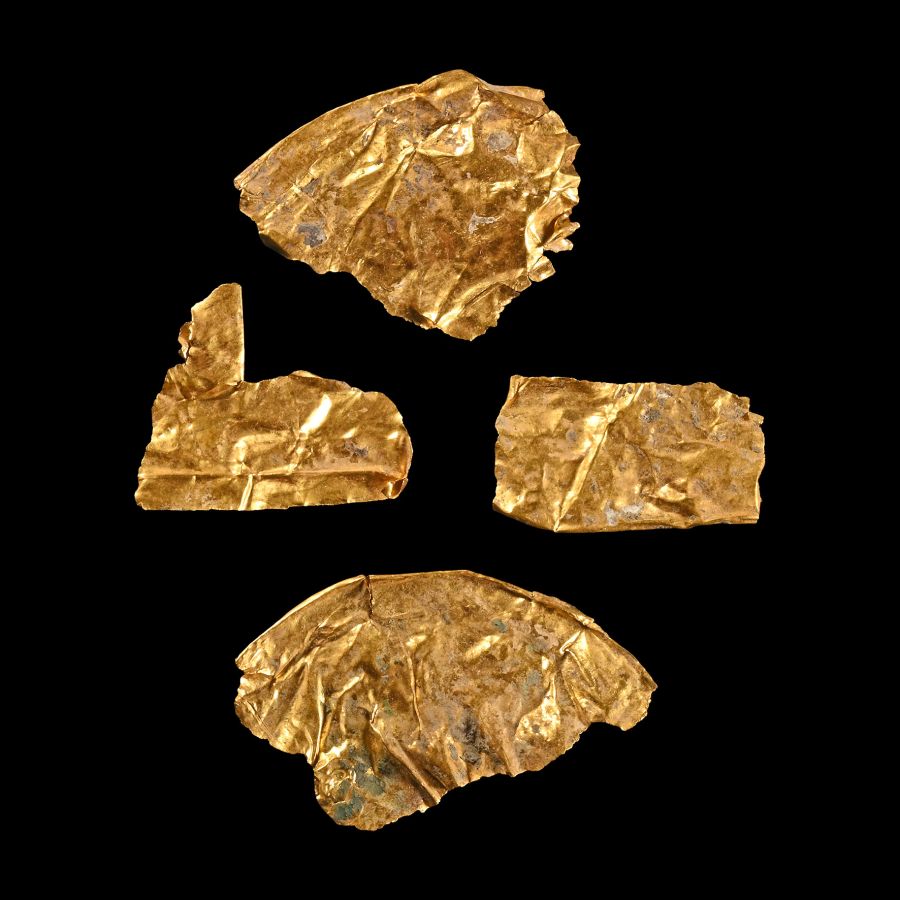
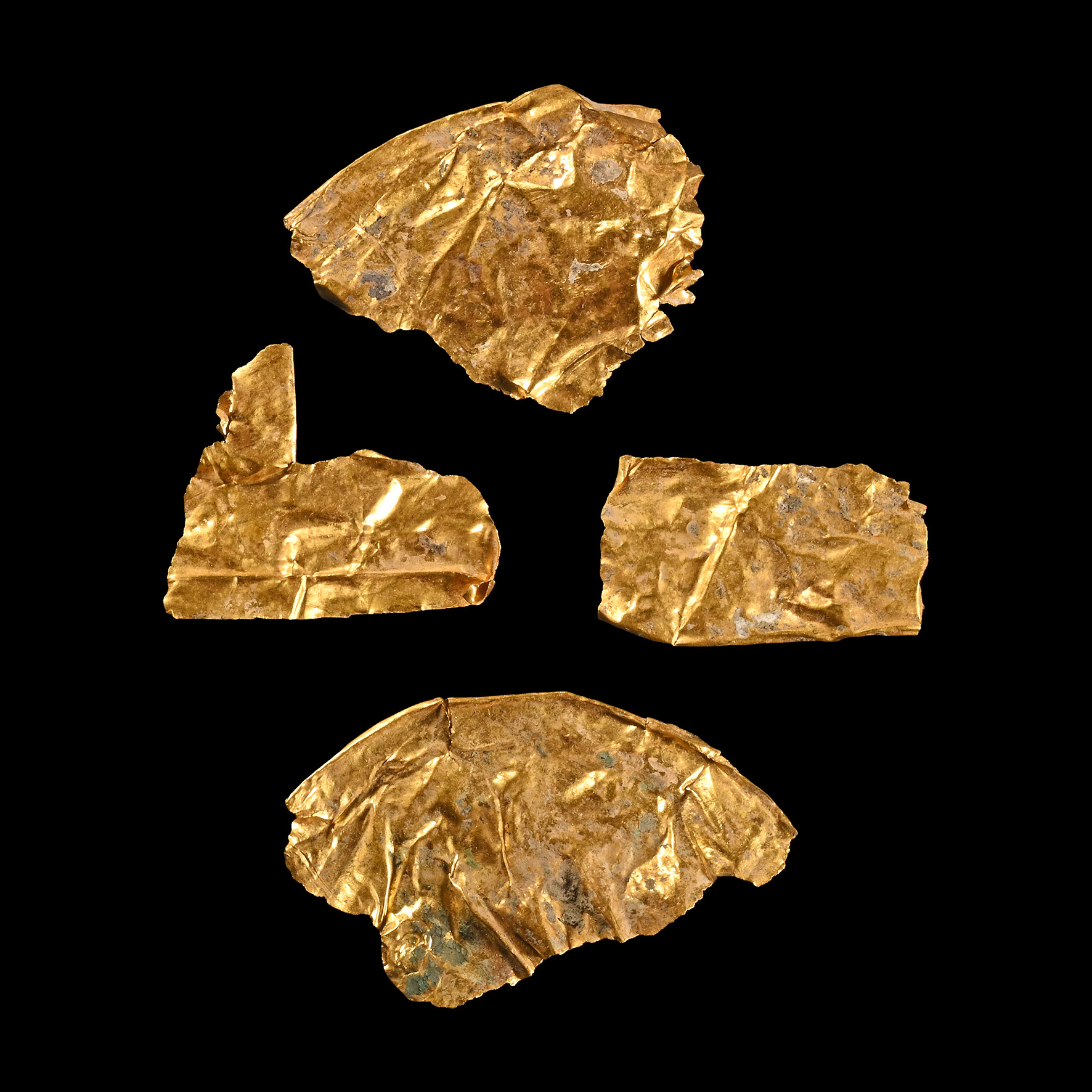
Roman Sheet Gold Phalera Cover Fragment Group
4TH-5TH CENTURY A.D.
3/8 - 1 1/2 in. (1.77 grams total, 10-37 mm).
Group of fragments of phalera covers with repoussé designs. [5, No Reserve]
ProvenanceAcquired in the early 1990s.
From the collection of an London antiquarian.
TimeLine Auctions follows a vetting process to ensure the authenticity and legality of all items, reinforcing our commitment to integrity and responsible trading. Each antiquity, antique, and coin lot undergoes thorough examination by a vetting committee of at least ten external specialists, professional trade association members, scientists, and archaeologists: Our Vetting Process
AUCTIONS:
TimeLine is a leading auction house specialising in antiquities, ancient art, collectables, natural history, coins, medals, and books. Our auctions offer museums, collectors, historians, and enthusiasts the opportunity to acquire unique and historically significant pieces.
-
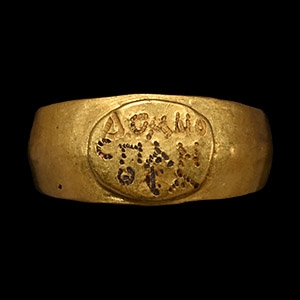
Roman Gold Ring of Domnos and Panthea
2nd century A.D.Sold for (Inc. bp): £1,105
With flat shoulders and raised ellipsoid plaque, pointillé Greek inscription 'ΔΟΜΝο / CΠΑΝ / Θ[.]A' (Domnos Panthea). 5.70 grams, 19.30 mm overall, 16.07 mm internal diameter (approximate size British G, USA 3 1/4, Europe 4.92, Japan 4)
Acquired in the mid 1980s-1990s. Private collection, Switzerland, thence by descent. Private collection, since the late 1990s.
It is likely that the inscription refers to a husband and wife, 'Domnos' being a known male name and 'Panthea' a female one. -
.jpg)
Roman Bronze Flying Phallus
2nd-3rd century A.D.Sold for (Inc. bp): £546
Amuletic model phallus with swept lateral wings; mounted on a custom-made stand. 99 grams total, 67 mm high including stand
From a collection acquired on the UK art market from various auction houses and collections mostly before 2000. From an important Cambridgeshire estate; thence by descent. -
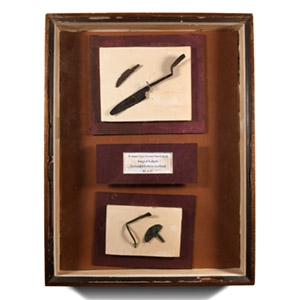
Roman Bronze Battlefield Surgical Scalpels
Circa 83-87 A.D.Sold for (Inc. bp): £546
Mounted in an old custom glazed presentation case with explanatory labels; found Inchtuthil, Scotland. 1.42 kg total, 38 x 29.2 cm
From the Roman legionary fortress Inchtuthil, Perthshire, 83-87 A.D. Private UK collection. Acquired in the 1980s. Property of a Cambridgeshire gentleman.
