
Loading, please wait...

LOT 0725
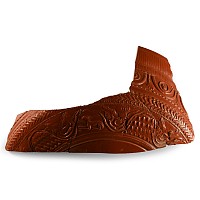
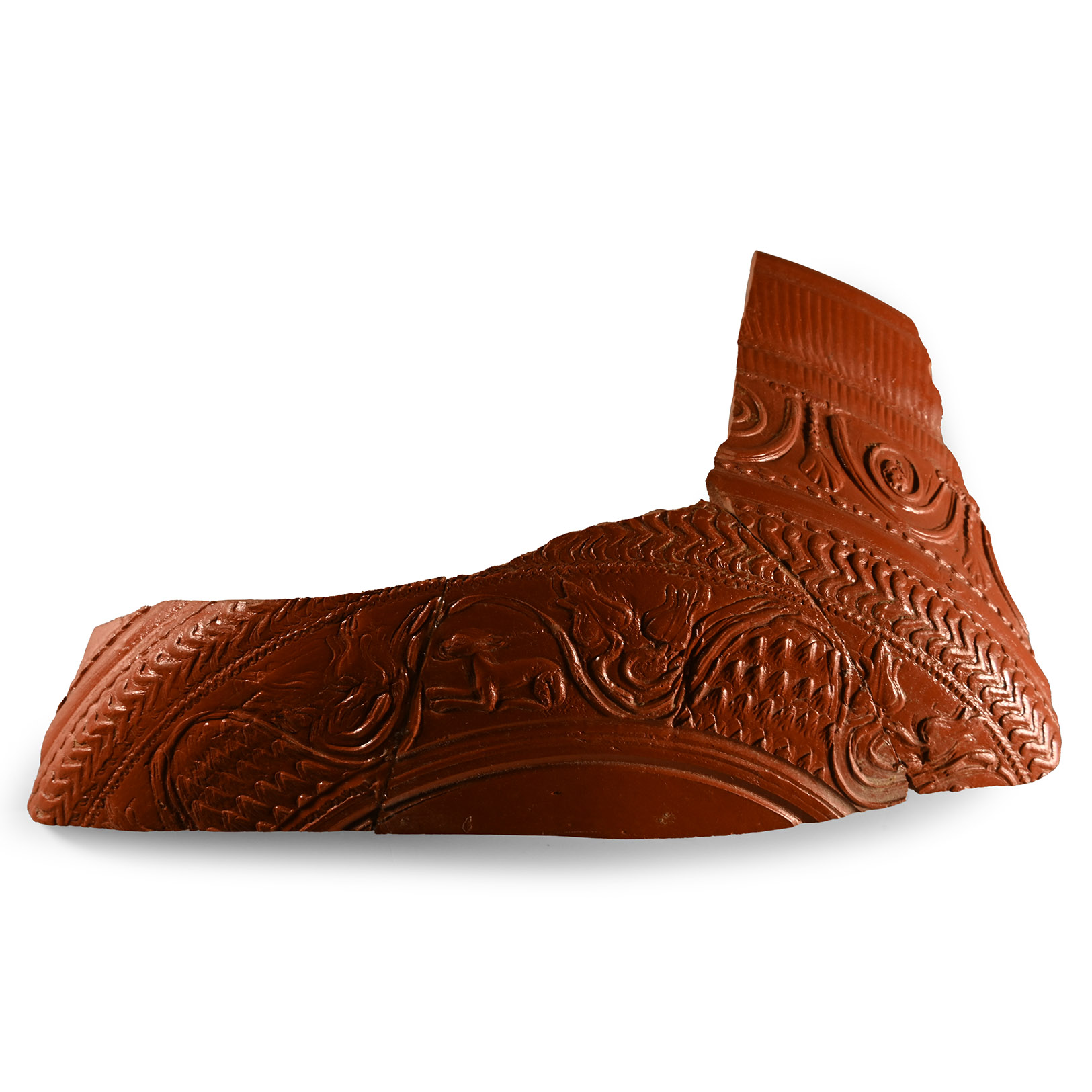
Roman Samian Bowl Sherd with Rabbit
1ST-2ND CENTURY A.D.
6 3/4 in. (92 grams, 17 cm).
Fragment of the shoulder of a decorated bowl with scrolled tendrils beneath the rim, chevron, ropework,tendril and other ornament and a rabbit in profile; old label '001' to inner face; repaired from three fragments. [No Reserve]
ProvenanceFrom the collection of a late East Anglian teacher and antiquarian who retired to the Isle of Wight in Hampshire, UK.
He amassed a large collection of objects between the 1960s-1980s.
TimeLine Auctions follows a vetting process to ensure the authenticity and legality of all items, reinforcing our commitment to integrity and responsible trading. Each antiquity, antique, and coin lot undergoes thorough examination by a vetting committee of at least ten external specialists, professional trade association members, scientists, and archaeologists: Our Vetting Process
AUCTIONS:
TimeLine is a leading auction house specialising in antiquities, ancient art, collectables, natural history, coins, medals, and books. Our auctions offer museums, collectors, historians, and enthusiasts the opportunity to acquire unique and historically significant pieces.
-
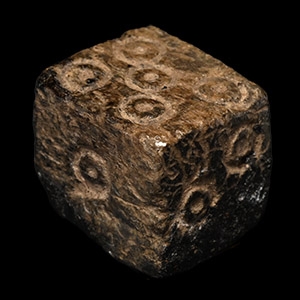
Roman 'Lancashire' Jet Dice Gaming Piece
1st-4th century A.D.Sold for (Inc. bp): £286
Cuboid with incised ring-and-dot markings disposed 1:6, 2:4, 3:5; old collector's label '12' to one face and record card; abraded through usage. 3.24 grams, 13 mm
Found Lancashire, UK. From the important private collection of dice and gaming pieces of Colin Narbeth, London, UK, collection no.12. Accompanied by a Colin Narbeth catalogue identification card. -
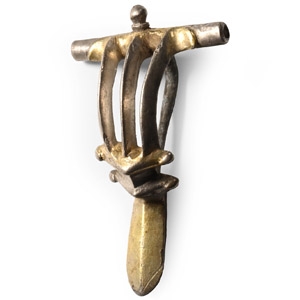
Roman Silver-Gilt Triple Bow Brooch
2nd century A.D.Sold for (Inc. bp): £442
P-shaped bow brooch with crossbar and knop above, bow in three parallel bars, triangular-section waisted foot and carinated leaf-shaped finial; hinged pin and catch to reverse. 11.8 grams, 47 mm
Ex German art market, 2000s. Acquired from an EU collector living in London. From the collection of Surrey, UK, gentleman. -
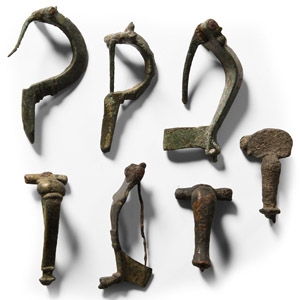
Roman Bronze Bow and Crossbow Brooch Collection
2nd-4th century A.D.Sold for (Inc. bp): £104
Including crossbow, knee, P-shaped and other types. 72 grams total, 33-51 mm
From the collection of the famous author, writer and speaker, Gordon Bailey, Essex, UK; formed since 1968.
