
Loading, please wait...
LOT 0684
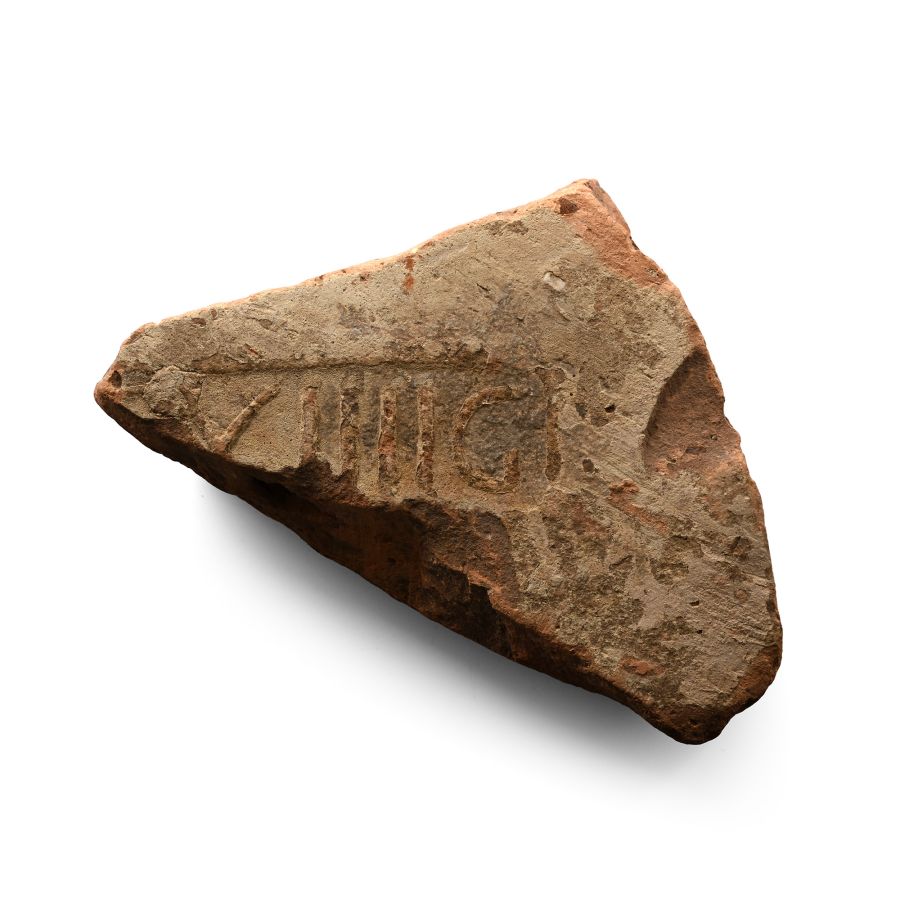
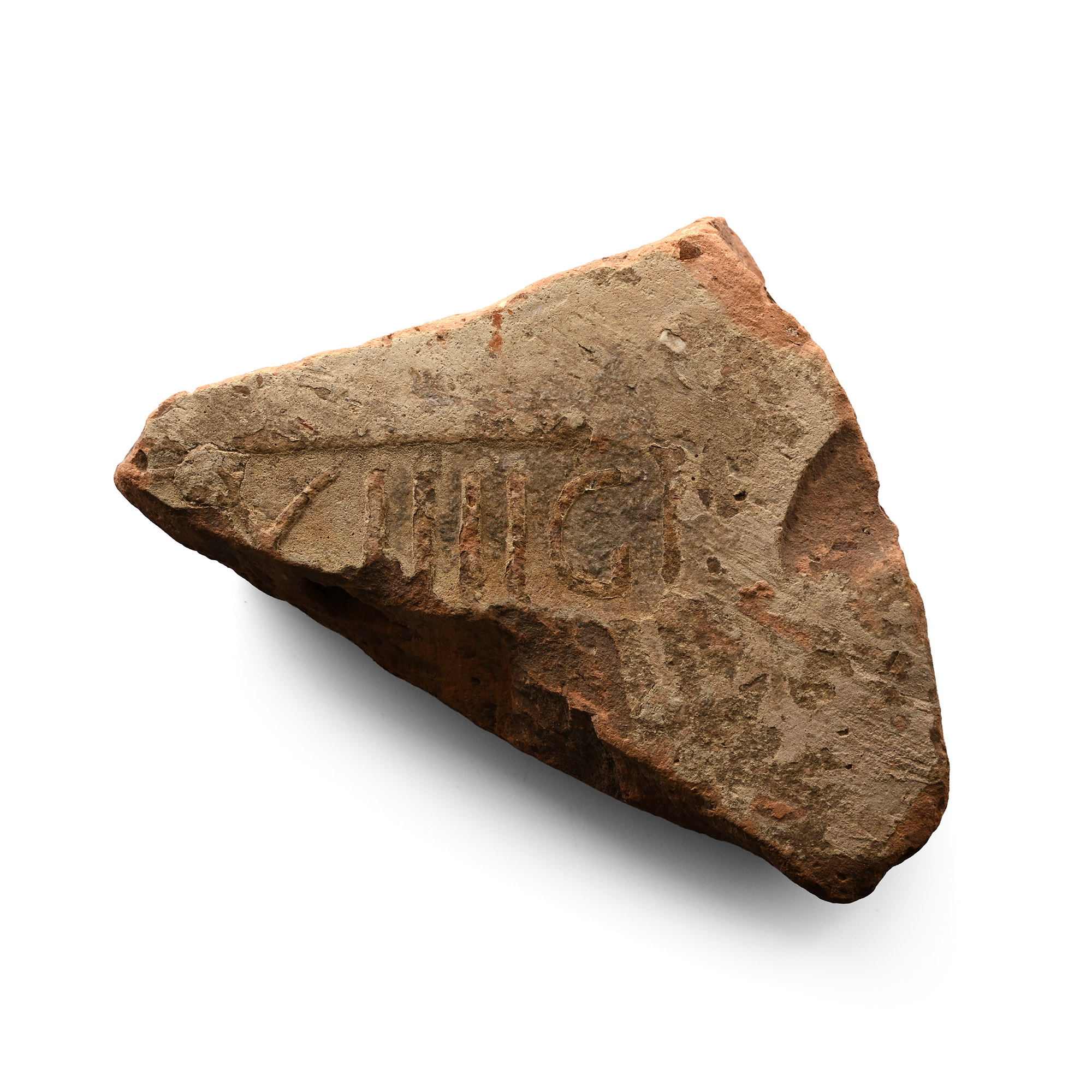
Roman Roof Tile with Legion XIIIG Stamp
1ST-2ND CENTURY A.D.
5 1/2 in. (345 grams, 14 cm).
Terracotta fragment with impressed stamp '[...] XIIIIG' for Legio XIV Gemina. [No Reserve]
ProvenanceFrom the collection of a Buckinghamshire, UK, collector established from the earlier 1960s.
FootnotesLegio XIV Gemina ("The Twinned Fourteenth Legion") was raised by Julius Caesar in 57 BC; its cognomen Gemina (Twinned) was added when it was merged with another legion after the Battle of Actium. It took part in the defeat of Boudicca in AD 61.
CONDITIONTimeLine Auctions follows a vetting process to ensure the authenticity and legality of all items, reinforcing our commitment to integrity and responsible trading. Each antiquity, antique, and coin lot undergoes thorough examination by a vetting committee of at least ten external specialists, professional trade association members, scientists, and archaeologists: Our Vetting Process
AUCTIONS:
TimeLine is a leading auction house specialising in antiquities, ancient art, collectables, natural history, coins, medals, and books. Our auctions offer museums, collectors, historians, and enthusiasts the opportunity to acquire unique and historically significant pieces.
-
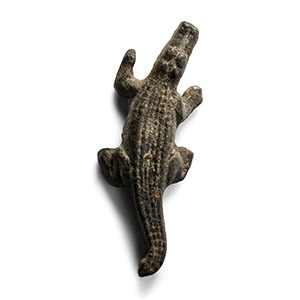
Roman Bronze Crocodile Statuette
1st-4th century A.D.Sold for (Inc. bp): £351
Modelled in the round with its head raised, scale detailing on the body. 28.2 grams, 61 mm
From the collection of a gentleman, acquired on the London art market in the 1990s. -
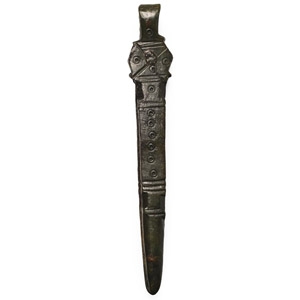
Late Roman Bronze Tweezers
4th-6th century A.D.Sold for (Inc. bp): £33
Formed as two narrow flat-section tapering arms with transverse ribbing and ring-and-dot ornament. 7.88 grams, 68 mm
From a private Tyneside collection, formed since the early 2000s. -
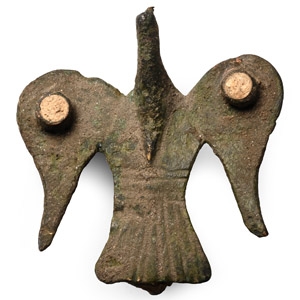
Roman Bronze Bird Brooch
Circa 2nd century A.D.Sold for (Inc. bp): £85
A plate brooch of a bird in flight with a round cell with white enamel to each wing, hinged pin and catchplate to the reverse. 6.31 grams, 35 mm
Private collection, home counties, UK; acquired before 1980.
