
Loading, please wait...
LOT 0738
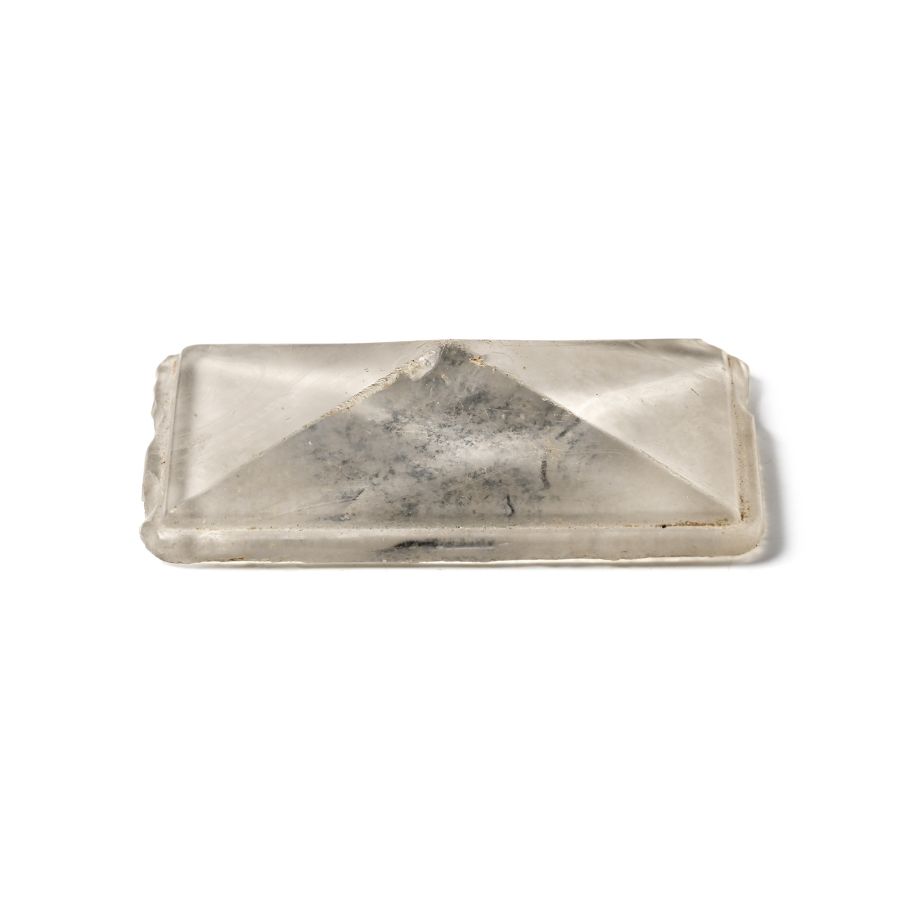
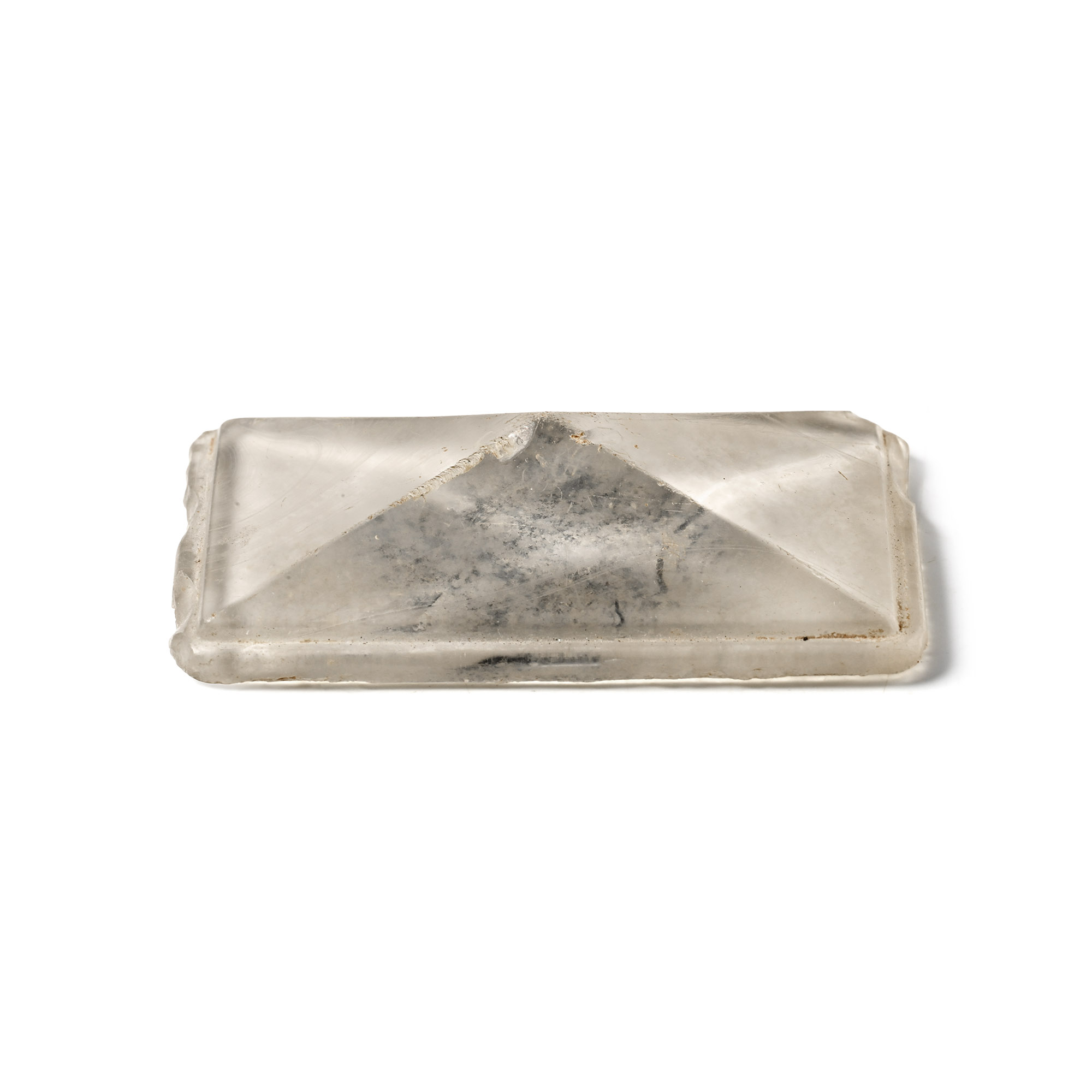
Roman Rock Crystal Casket Lid
2ND-3RD CENTURY A.D.
2 1/4 in. (24 grams, 54.5 mm).
Rectangular in plan with pyramidal central panel and chamfered rim; chipped. [No Reserve]
Provenancewith Archaeologia, Switzerland, before 1983.
Ex private North American collection.
London private collection, 2016.
TimeLine Auctions follows a vetting process to ensure the authenticity and legality of all items, reinforcing our commitment to integrity and responsible trading. Each antiquity, antique, and coin lot undergoes thorough examination by a vetting committee of at least ten external specialists, professional trade association members, scientists, and archaeologists: Our Vetting Process
AUCTIONS:
TimeLine is a leading auction house specialising in antiquities, ancient art, collectables, natural history, coins, medals, and books. Our auctions offer museums, collectors, historians, and enthusiasts the opportunity to acquire unique and historically significant pieces.
-
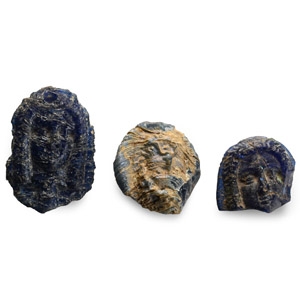
Roman and Later Glass Head Group
1st-4th century A.D. and laterSold for (Inc. bp): £59
Group of three moulded janiform heads, one possibly Hercules. 5.71 grams total, 15-24 mm
with Archaeologia, Switzerland, before 1983. Ex private North American collection. London private collection, 2016. -
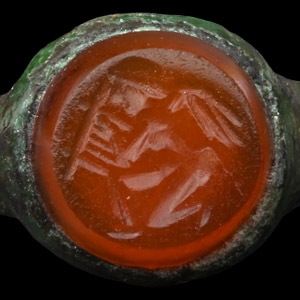
Roman Bronze Ring with Cupid Gemstone
2nd-3rd century A.D.Sold for (Inc. bp): £143
Slender hoop with a discoid bezel set with a carnelian intaglio bearing an image of a winged cupid holding a bow. 1.02 grams, 19.84 mm overall, 15.55 mm internal diameter (approximate size British J, USA 4 3/4, Europe 8.69, Japan 8)
Ex German art market, 2000s. Acquired from an EU collector living in London. From the collection of a Surrey, UK, gentleman. -
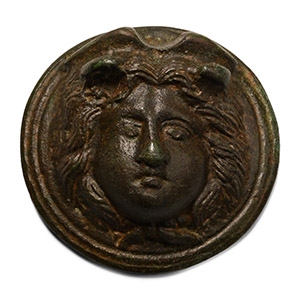
Roman Bronze Phalera
2nd-4th century A.D.Sold for (Inc. bp): £416
Discoid in plan with raised lip to the rim, central gorgoneion motif in high relief. 203 grams, 73 mm
From a private Tyneside collection, formed since the early 2000s.
