
Loading, please wait...
LOT 0712
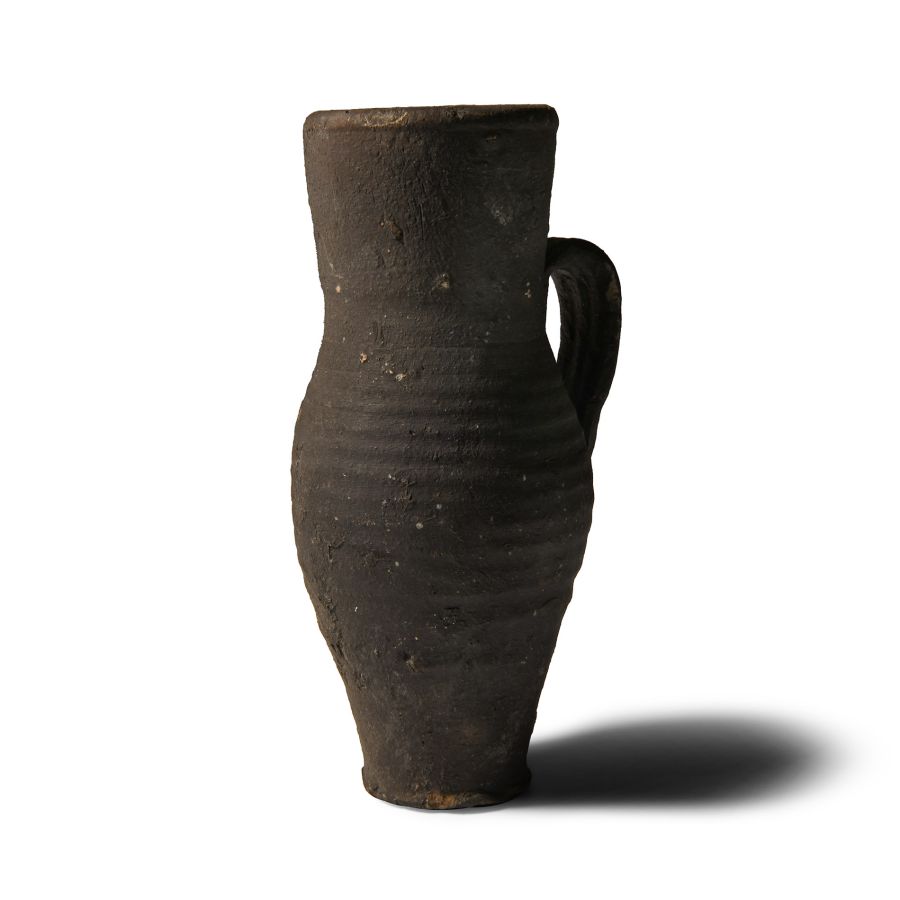
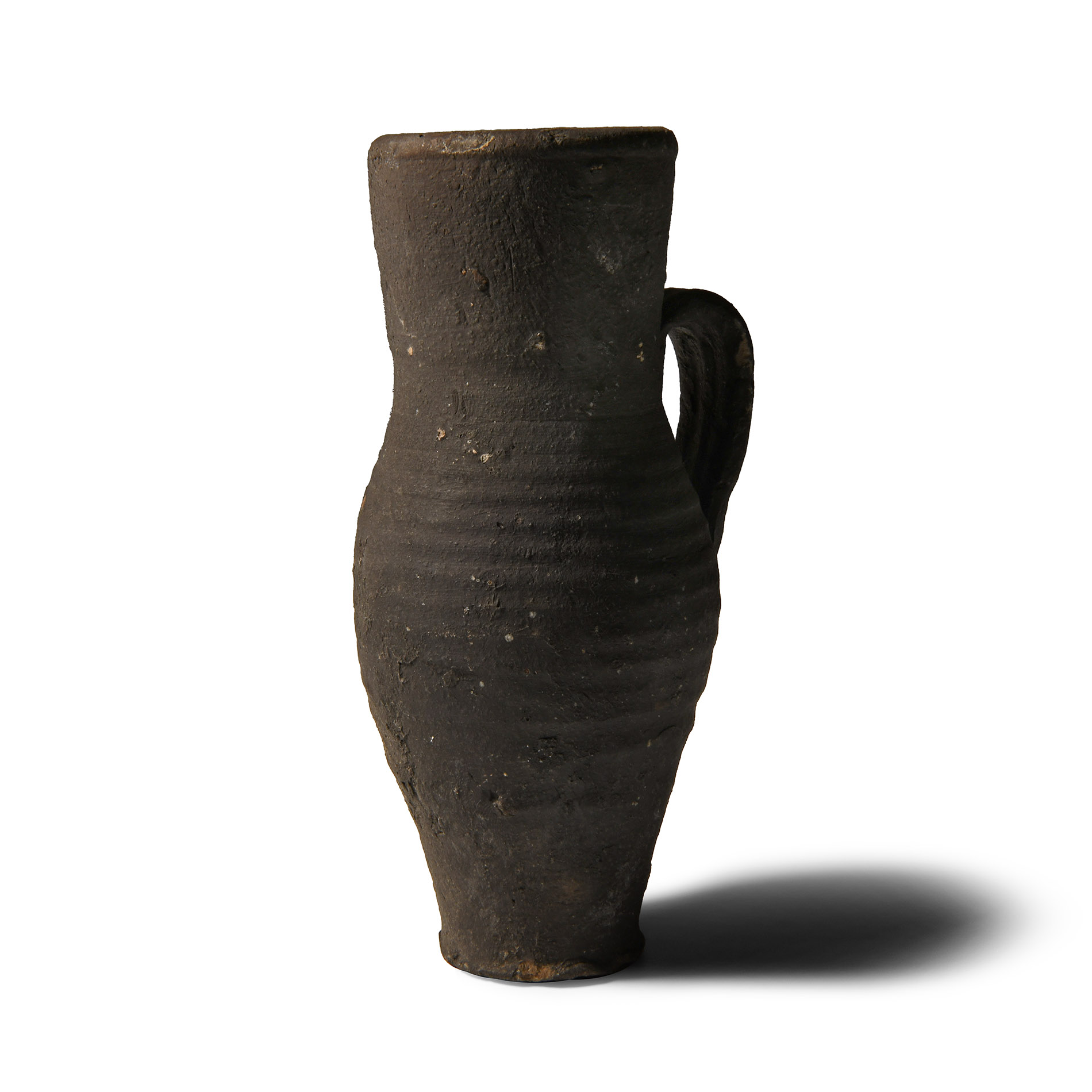
Roman Ribbed Greyware Jug
CARTHAGE, CIRCA 1ST-2ND CENTURY A.D.
6 1/4 in. (303 grams, 16 cm).
Slender in profile with narrow base, loop handle to the shoulder, flared mouth; with the remains of an antique label to the base. [No Reserve]
ProvenanceFrom a collection acquired on the UK art market from various auction houses and collections mostly before 2000.
From an important Cambridgeshire estate; thence by descent.
TimeLine Auctions follows a vetting process to ensure the authenticity and legality of all items, reinforcing our commitment to integrity and responsible trading. Each antiquity, antique, and coin lot undergoes thorough examination by a vetting committee of at least ten external specialists, professional trade association members, scientists, and archaeologists: Our Vetting Process
AUCTIONS:
TimeLine is a leading auction house specialising in antiquities, ancient art, collectables, natural history, coins, medals, and books. Our auctions offer museums, collectors, historians, and enthusiasts the opportunity to acquire unique and historically significant pieces.
-
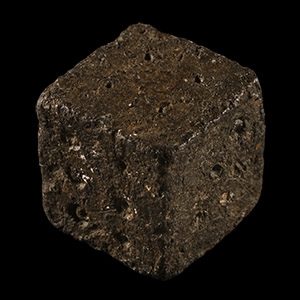
Large Romano-British 'Published' Lead Gaming Dice
Circa 1st-4th century A.D.Sold for (Inc. bp): £286
Cuboid with impressed ring-and-dot motifs disposed 6:5, 4:2, 3:1. 35 grams, 15 mm
Found UK prior to 2000. From the important private collection of dice and gaming pieces of Colin Narbeth, London, collection no.61. Accompanied by a copy of the relevant Celtic & Roman Artefacts book pages where this object is published.
The conventional Roman dice were made in bone or lead, with dots representing numbers from 1 to 6. Roman dice from the Romano-British settlements are often poorly made and often had opposite sides that do not add up to 7. -
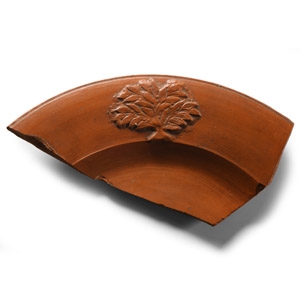
Roman Redware Pottery Sherd with Olive Tree
Circa 4th-5th century A.D.Sold for (Inc. bp): £117
Comprising a large edge section with impressed olive tree, with details of branches, fruit and foliage. 87 grams, 17 cm
Acquired 1960s-1990s. From the late Alison Barker collection, a retired London barrister.
The representation of an olive tree on this sigillata is not casual. In the early Imperial period the export of the Adriatic olive oil, following the amber road, moved from Aquileia to the provinces of Roman Pannonia. During the 3rd century, the production of the Spanish olive oil reached the Northern Roman provinces. Olives were transported in particular amphorae and served with specific vessels, distinguishing the black olives (olivae nerae) from the white olives (olivae albae). -
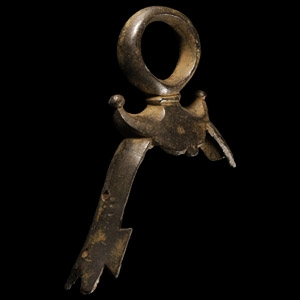
Large Romano-British Bronze Chariot Terret
1st century A.D.Sold for (Inc. bp): £130
From the yoke of a chariot comprising a D-section ring, collar and knop-ended crescents, broad pierced lateral flanges. 365 grams, 16.5 cm
Reputed to have been excavated near Viables in Hampshire at the end of the 19th century. From the estate of the late Jennifer Simmonds. Acquired from Jacobs & Hunt auctioneers, Petersfield, Hampshire, UK.
