
Loading, please wait...
LOT 0120
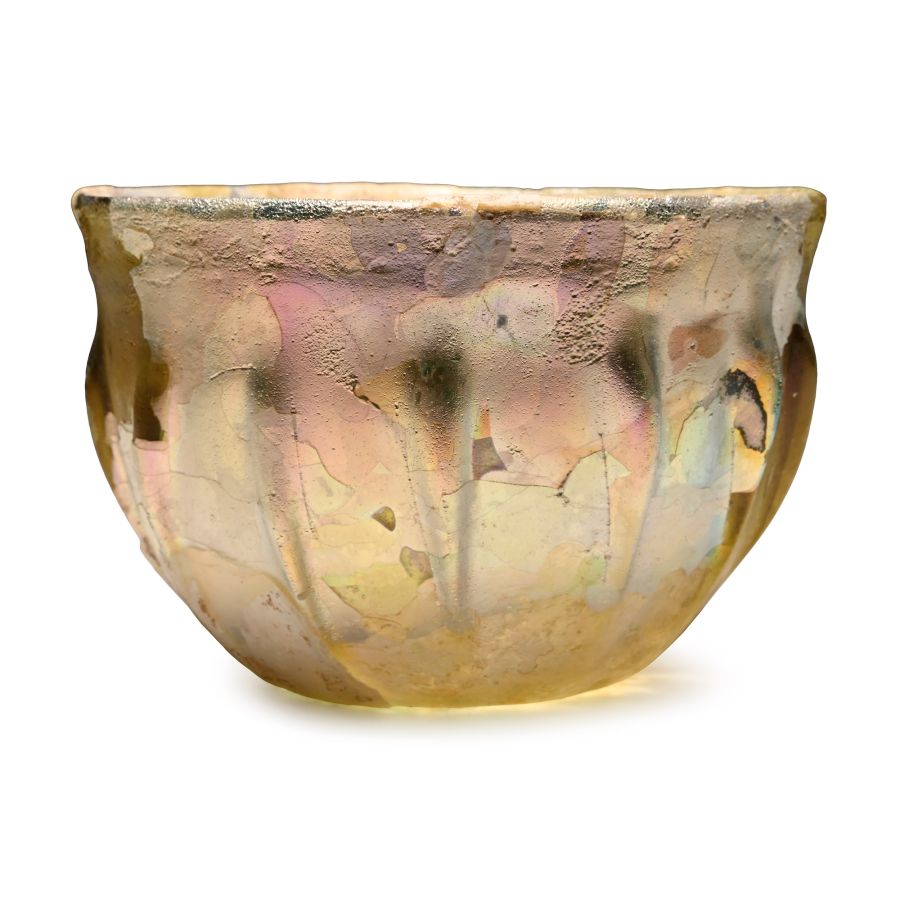
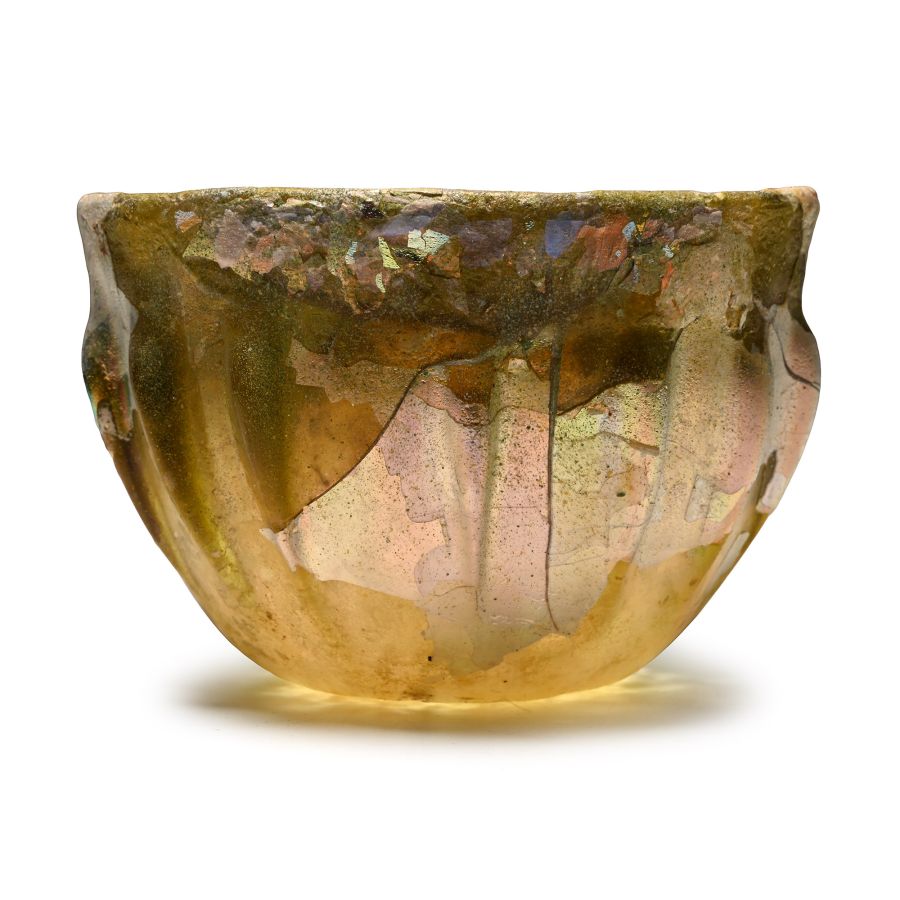
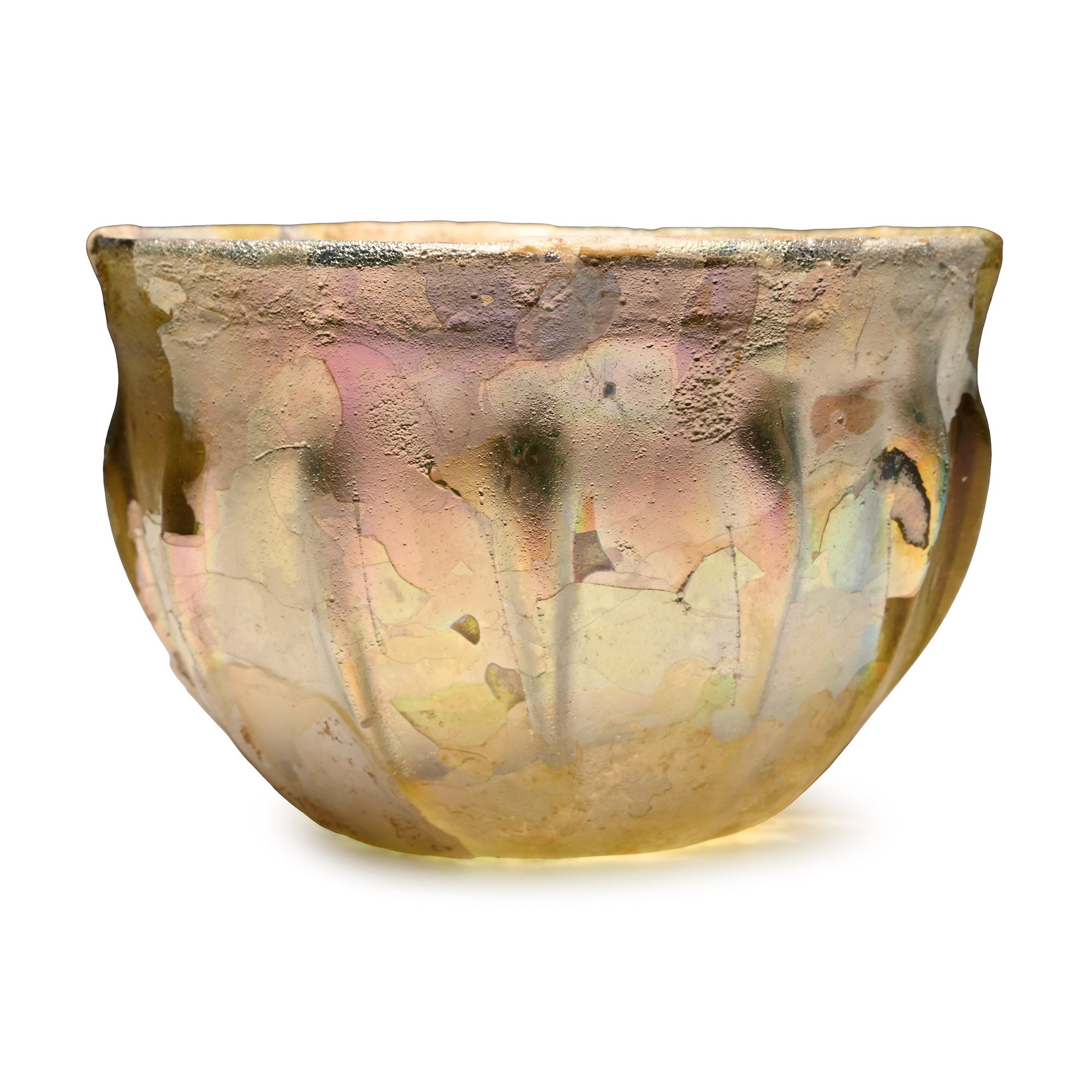
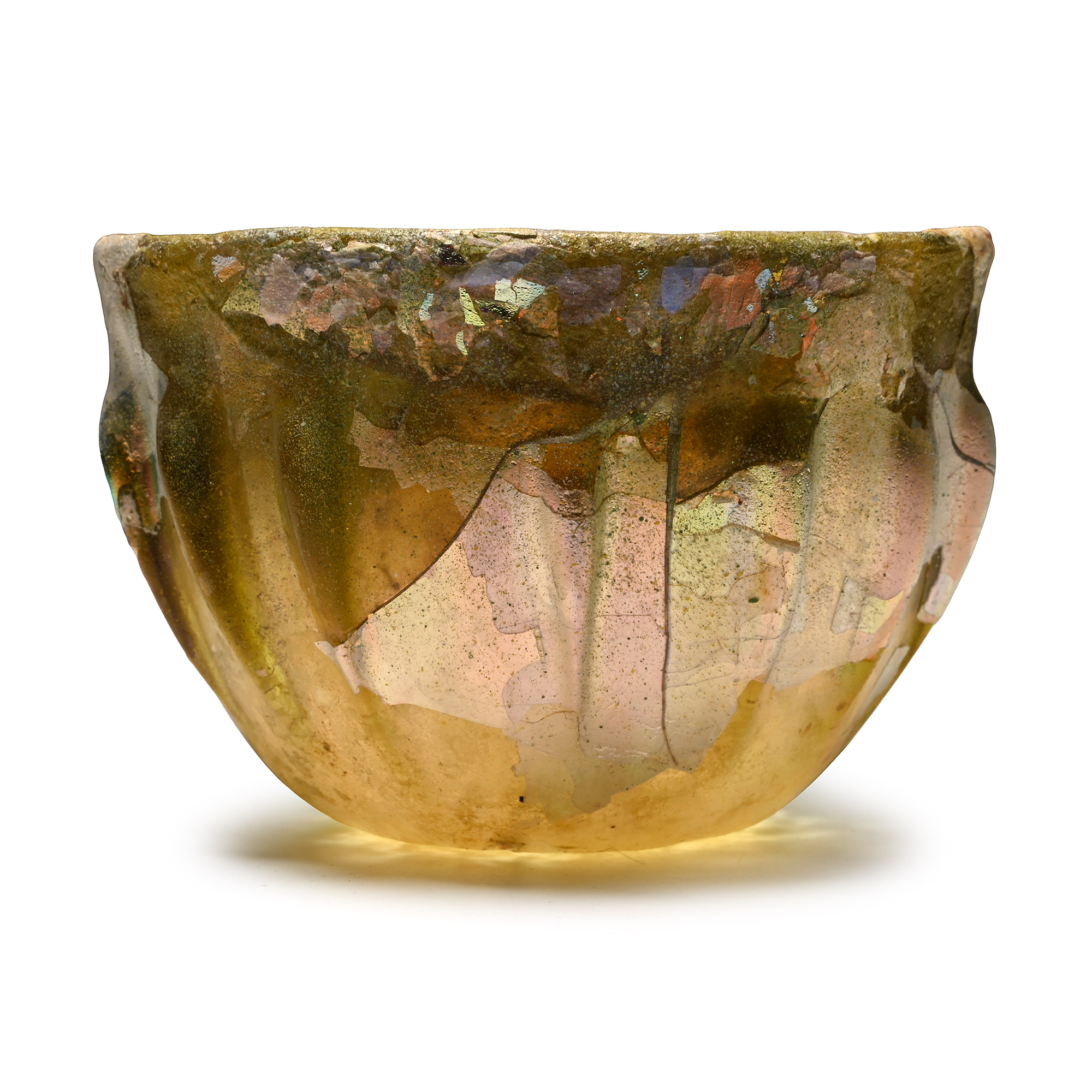
Roman Pillar-Moulded Honey-Coloured Glass Bowl with Fine Iridescence
3RD-4TH CENTURY A.D.
4 3/8 in. (164 grams, 11.1 cm wide).
With iridescent surface, narrow base and vertical ribbed segmentation to the sidewall, gently flared rim.
ProvenanceEx London, UK, gentleman, 1990s.
LiteratureCf. Whitehouse, D., Roman Glass in the Corning Museum of Glass, vol.2, New York, 2001, item 603, for type.
CONDITIONTimeLine Auctions follows a vetting process to ensure the authenticity and legality of all items, reinforcing our commitment to integrity and responsible trading. Each antiquity, antique, and coin lot undergoes thorough examination by a vetting committee of at least ten external specialists, professional trade association members, scientists, and archaeologists: Our Vetting Process
AUCTIONS:
TimeLine is a leading auction house specialising in antiquities, ancient art, collectables, natural history, coins, medals, and books. Our auctions offer museums, collectors, historians, and enthusiasts the opportunity to acquire unique and historically significant pieces.
LOT 0120
Roman Pillar-Moulded Honey-Coloured Glass Bowl with Fine Iridescence
Sold for (Inc. bp): £390
-
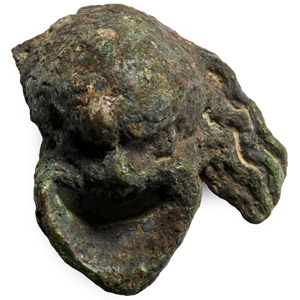
Roman Bronze Comic Actor's Mask Mount
2nd century A.D.Sold for (Inc. bp): £59
With a braided wig, exaggerated scooped mouth and grotesque features, hollow to the reverse. 24.9 grams, 33 mm
From the collection of a gentleman, acquired on the London art market in the 1990s. -
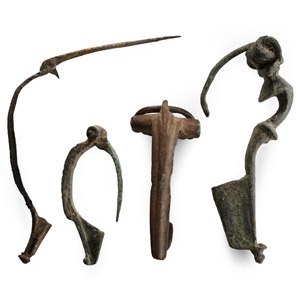
Roman Bronze Brooch Group
1st-2nd century A.D.Sold for (Inc. bp): £33
Comprising four bow brooches, each retaining much of the pin. 20.6 grams total, 33-67 mm
From a Dunmow, UK, collection; formed from 1970. -
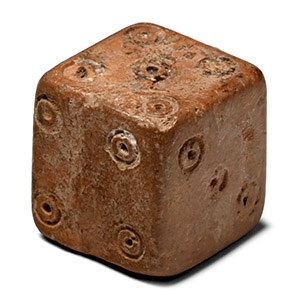
Roman Bone Gaming Dice
1st-4th century A.D.Sold for (Inc. bp): £124
With incised ring-and-dot markings disposed 1:[4?], 2:5, 3:4. 2.68 grams, 12 mm
From a collection of gaming items, formed 1980-1990s.
