
Loading, please wait...
LOT 0858
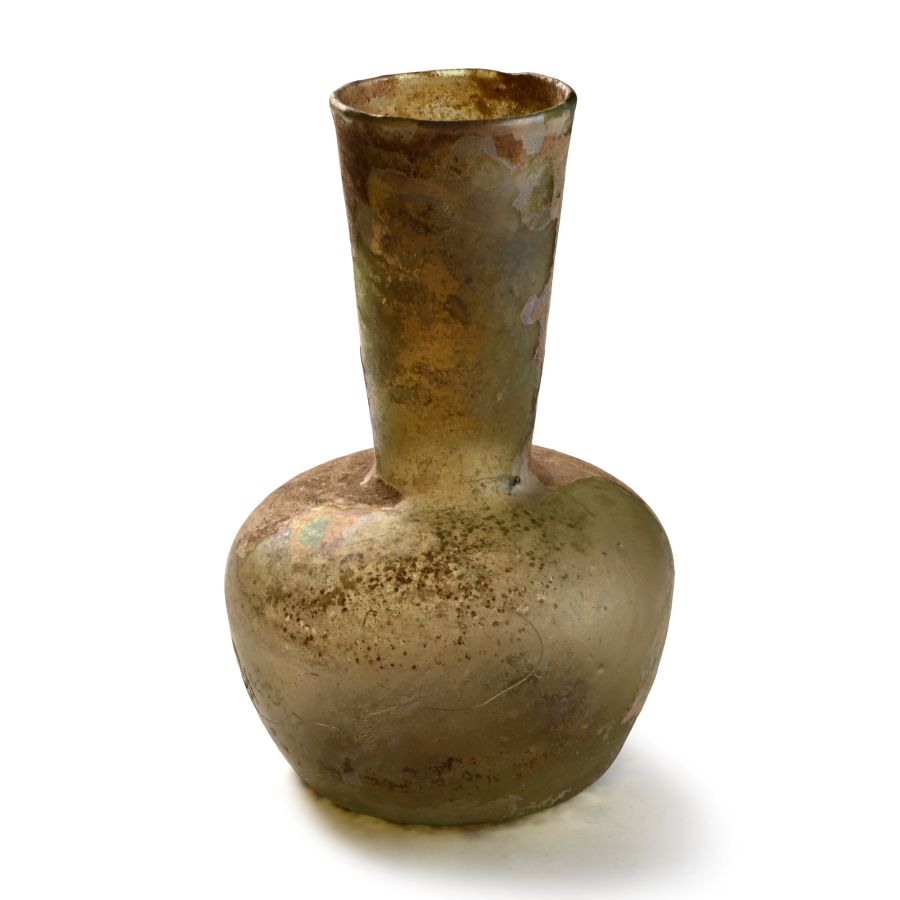
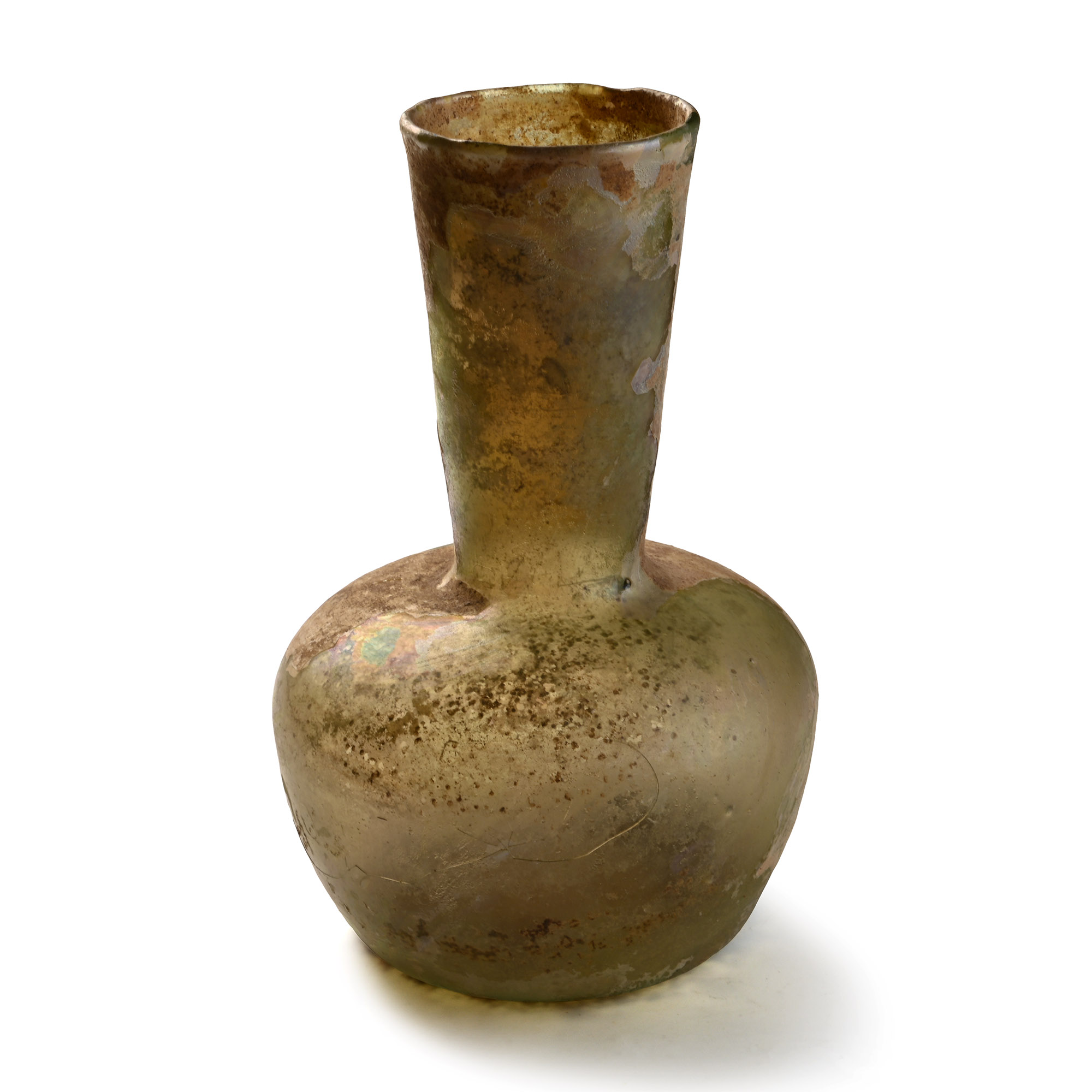
Roman Pale Green Iridescent Glass Vessel
2ND-4TH CENTURY A.D.
4 1/8 in. (31.21 grams, 10.5 cm).
With tall conical neck, squat body with deep shoulder, dimple base.
ProvenancePreviously from a German private collection.
Acquired Sotheby's, London, 13 & 14 July 1981, no.414 (part).
From a private Wiltshire, UK, collection.
Accompanied by a copy of the relevant Sotheby's catalogue pages.
Cf. Whitehouse, D., Roman Glass in the Corning Museum of Glass, vol.1, New York, 1997, item 217, for type.
CONDITIONTimeLine Auctions follows a vetting process to ensure the authenticity and legality of all items, reinforcing our commitment to integrity and responsible trading. Each antiquity, antique, and coin lot undergoes thorough examination by a vetting committee of at least ten external specialists, professional trade association members, scientists, and archaeologists: Our Vetting Process
AUCTIONS:
TimeLine is a leading auction house specialising in antiquities, ancient art, collectables, natural history, coins, medals, and books. Our auctions offer museums, collectors, historians, and enthusiasts the opportunity to acquire unique and historically significant pieces.
-
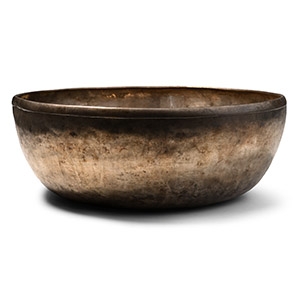
Roman or Gandharan Silver Bowl
Circa late 1st century B.C.-early 1st century A.D.Estimate: £1,500 - 2,000 (+bp*)
Opening Bid: £750
Squat in profile with gently domed base, curved sidewall with carination below the rim. 233 grams, 18.1 cm
Acquired from a private UK collection prior to 1979. Ex Julian Sherrier collection, a leading figure in Gandharan art. with Christie's, New York, sale 2337, 14th September 2010, no.51 (part). Accompanied by the original Christie's bar code label. -
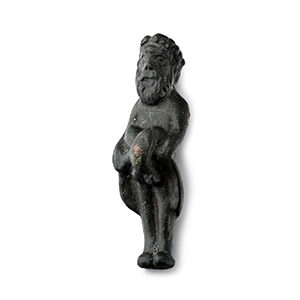
Romano-British Bronze Priapus Statuette
2nd-3rd century A.D.Sold for (Inc. bp): £117
Modelled in the round, standing, wearing a paenula, his hands holding up the hem to support a pile of fruits on his erect penis. 14.1 grams, 40 mm
Found Lincolnshire, UK.
This is one of the most characteristic representations of Priapus: standing, with long, smooth hair. With his hands, he raises his tunic, revealing his phallus, a symbol of fertility and good luck, and carries the first fruits of the earth on the hem of his tunic. -

Late Roman Carnelian Double Portrait Gemstone
4th century A.D.Sold for (Inc. bp): £338
A brown oval intaglio with two facing male busts, both diademed and togate, the left bust bearded, possibly depicting Serapis and Horus. 3.38 grams, 24 mm
Mr F.D. collection, acquired on the European art market, 1975 to present.
