
Loading, please wait...
LOT 0610
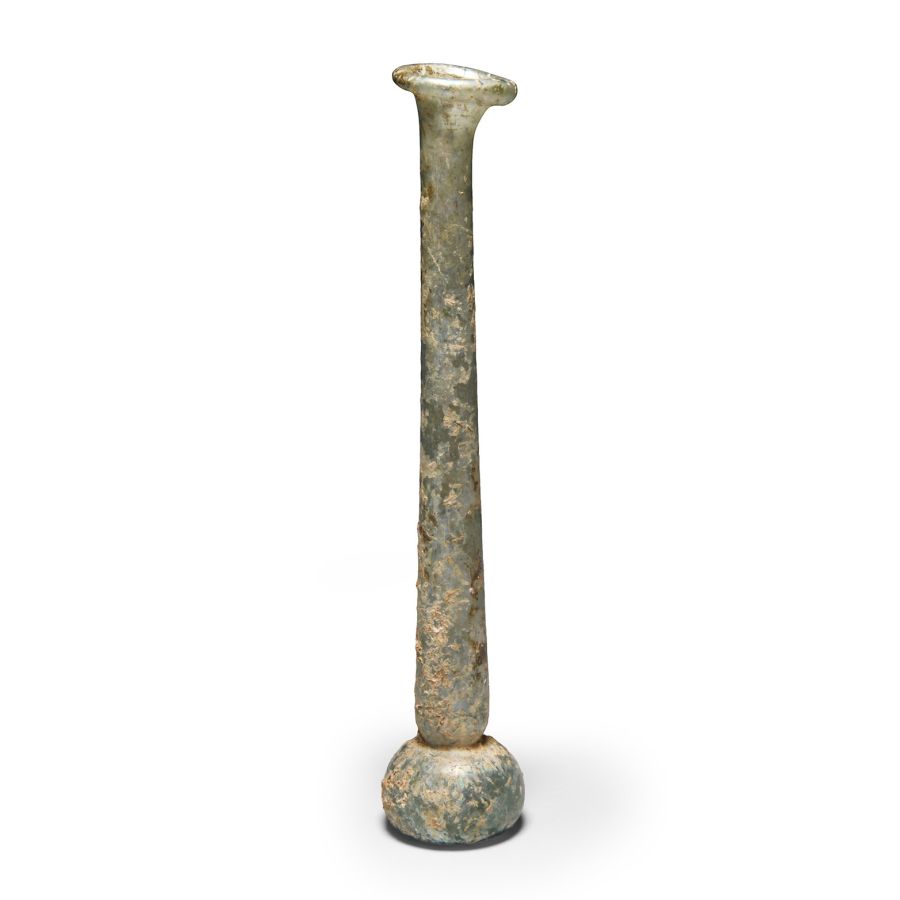
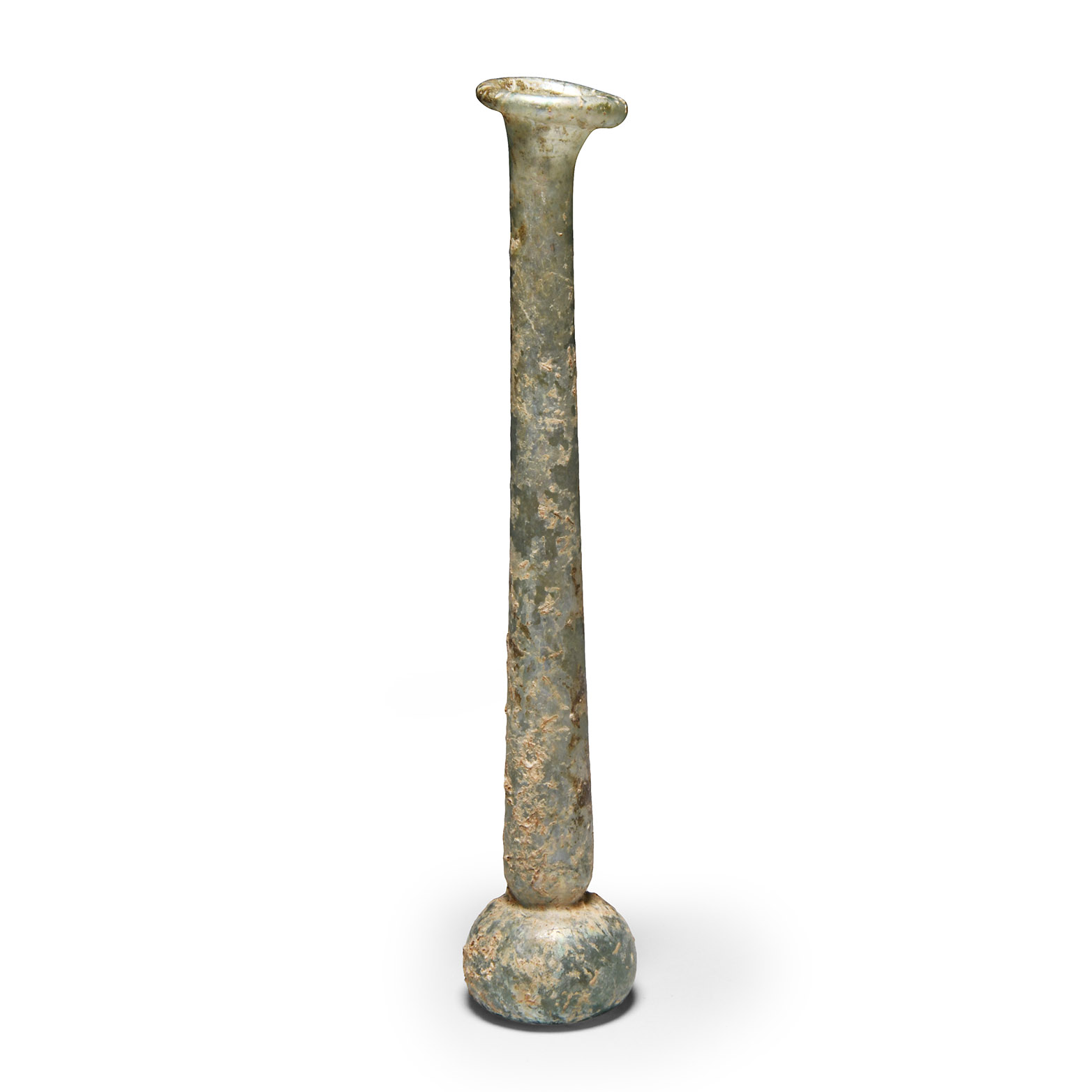
Roman Pale Green Glass Unguentarium
1ST-2ND CENTURY A.D.
4 3/4 in. (46 grams, 12 cm high).
Piriform in shape with a cylindrical neck and everted rim; remains of iridescence.
ProvenanceAcquired 1969-1999.
From the private collection of the late Mr S.M., London, UK, thence by descent.
Cf. The British Museum, museum number 1851,0813.449, for similar.
CONDITIONTimeLine Auctions follows a vetting process to ensure the authenticity and legality of all items, reinforcing our commitment to integrity and responsible trading. Each antiquity, antique, and coin lot undergoes thorough examination by a vetting committee of at least ten external specialists, professional trade association members, scientists, and archaeologists: Our Vetting Process
AUCTIONS:
TimeLine is a leading auction house specialising in antiquities, ancient art, collectables, natural history, coins, medals, and books. Our auctions offer museums, collectors, historians, and enthusiasts the opportunity to acquire unique and historically significant pieces.
-
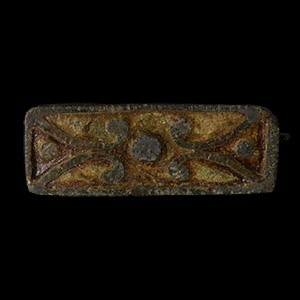
Roman Bronze Enamelled Plate Brooch
2nd-3rd century A.D.Sold for (Inc. bp): £65
Complete with sprung pin and catchplate to reverse; the rectangular plate with reserved scroll decoration on enamelled fields. 2.98 grams, 29 mm
Part of a collection formed in the 1970s-1980s. Ex private UK collection. -
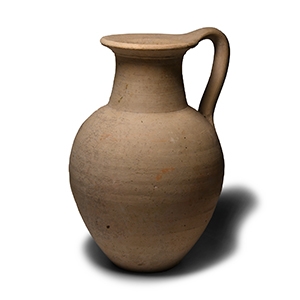
Roman Terracotta Vessel
1st-4th century A.D.Sold for (Inc. bp): £91
Of piriform shape with integral handle; '68.005' handwritten to base. 755 grams, 22.6 cm high
Acquired 1960s-1990s. Late Alison Barker collection, a retired London barrister. -
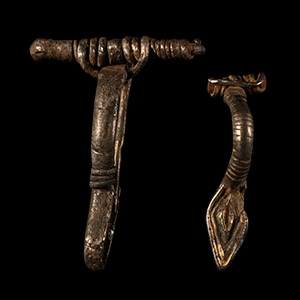
Late Roman Silver Bow Brooch Group
3rd-4th century A.D.Sold for (Inc. bp): £78
Comprising: brooch of Elbefibel type with notched bow and lozenge-shaped footplate with chased lozenges within; spring, pin and catchplate intact to reverse; P-shaped bow brooch with coiled spring and footplate curving backwards to form the catchplate, one corner tapering to a slender bar coiled around the base of the bow. 12.5 grams total, 38-46 mm
From the collection of an EU gentleman formed in the 1990s. Acquired on the UK art market.
