
Loading, please wait...
LOT 0674
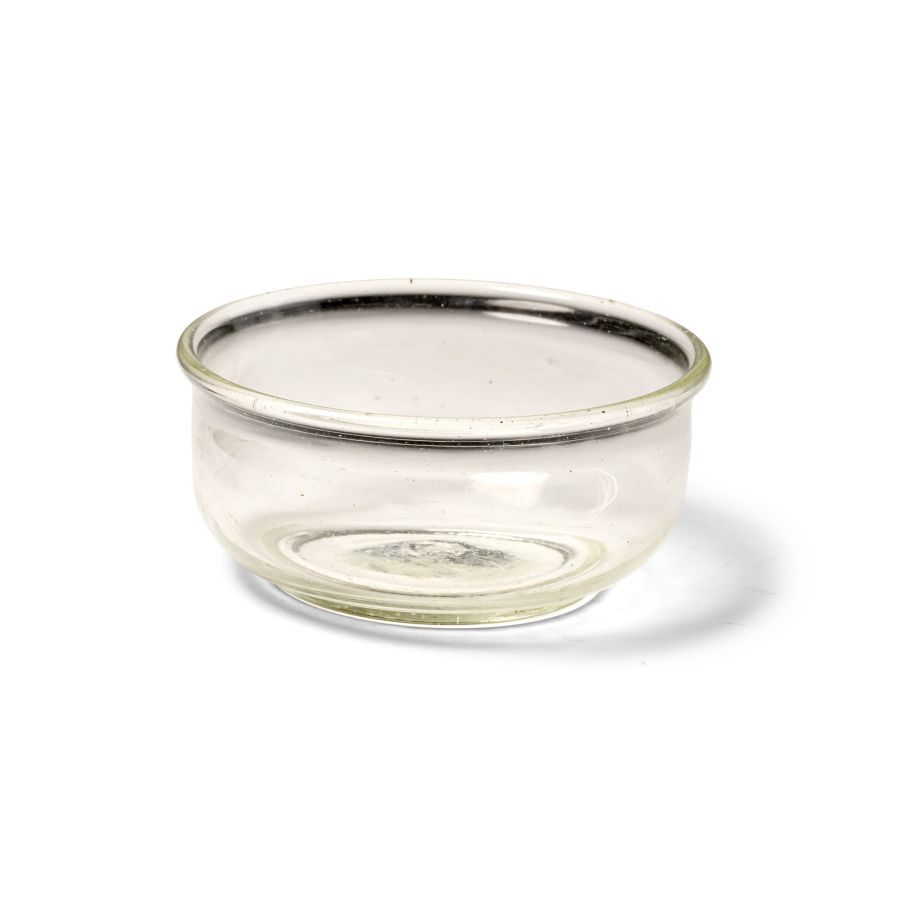
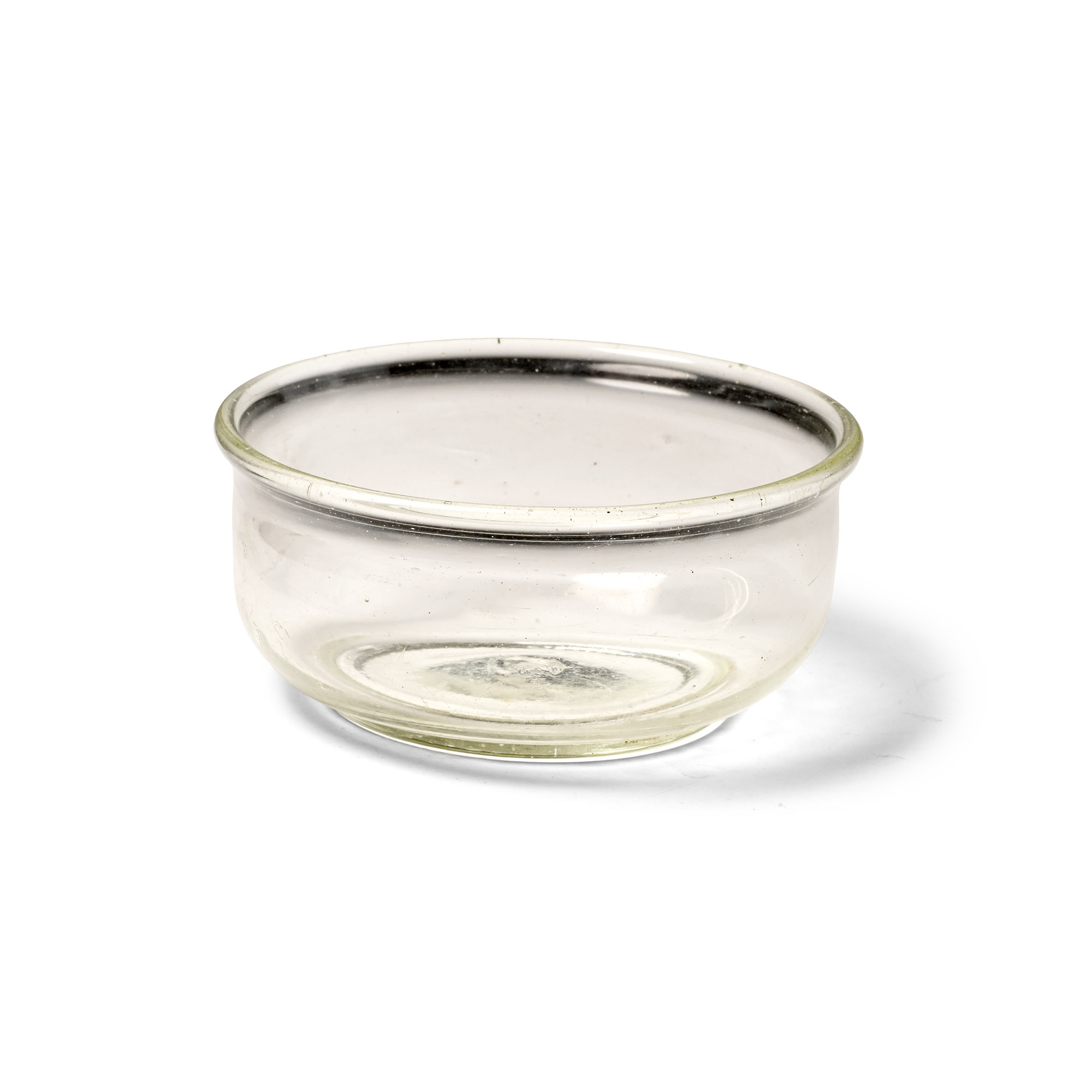
Roman Pale Green Glass Bowl
3RD-5TH CENTURY A.D.
3 in. (43.69 grams, 75 mm).
With narrow basal ring and curved sidewall, carinated and flared rim.
ProvenanceAquired Christie's, London, Antiquities, Works of Art and Important Renaissance Bronzes, Plaquettes and Limoges Enamels, 8 July 1981, no.12 (part).
From a private Wiltshire, UK, collection.
Accompanied by a copy of the relevant Christie's catalogue pages.
Cf. Whitehouse, D., Roman Glass in the Corning Museum of Glass, vol.2, New York, 2001, item 603, for a similar type.
CONDITIONTimeLine Auctions follows a vetting process to ensure the authenticity and legality of all items, reinforcing our commitment to integrity and responsible trading. Each antiquity, antique, and coin lot undergoes thorough examination by a vetting committee of at least ten external specialists, professional trade association members, scientists, and archaeologists: Our Vetting Process
AUCTIONS:
TimeLine is a leading auction house specialising in antiquities, ancient art, collectables, natural history, coins, medals, and books. Our auctions offer museums, collectors, historians, and enthusiasts the opportunity to acquire unique and historically significant pieces.
-
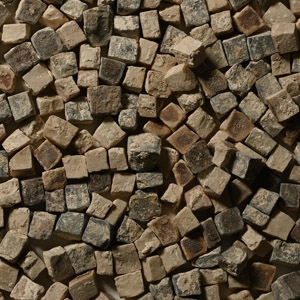
Roman Mosaic Stone Tesserae Group
1st-4th century A.D.Sold for (Inc. bp): £130
A mixed group of two hundred and fifty single tesserae of various colours and sizes, mostly cuboid. 361 grams total, 8-12 mm
From a collection acquired on the UK art market from various auction houses and collections mostly before 2000. From an important Cambridgeshire estate; thence by descent.
Roman mosaics were made from small cubes of natural stone and terracotta possibly cut from tile or brick. Each of these small cubes was called a tessera (plural tesserae) from the Latin word for dice. -
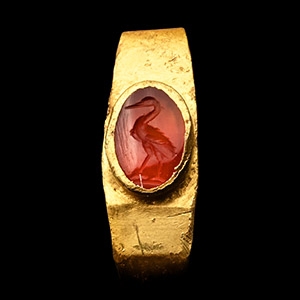
Roman Gold Ring with Stork Gemstone
2nd-3rd century A.D.Sold for (Inc. bp): £1,040
Comprising a D-shaped hoop with angled shoulders, raised oval bezel set with a carnelian intaglio bearing the image of a standing stork on a baseline. 3.19 grams, 19.79 mm overall, 18.06 x 11.63 mm internal diameter (approximate size British E, USA 2 1/4, Europe 2.41, Japan 2)
From a Dunmow, UK, collection; formed from 1970. -
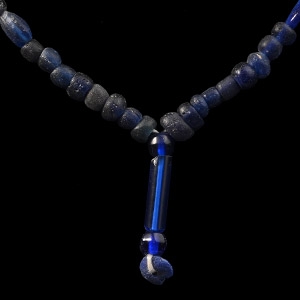
Roman Glass Bead Necklace String
1st-4th century A.D. and laterSold for (Inc. bp): £91
Restrung group of tubular, oblate and other types with melon centrepiece. 9.7 grams, 37.2 cm
London, UK, collection, 2000s.
