
Loading, please wait...
LOT 0119
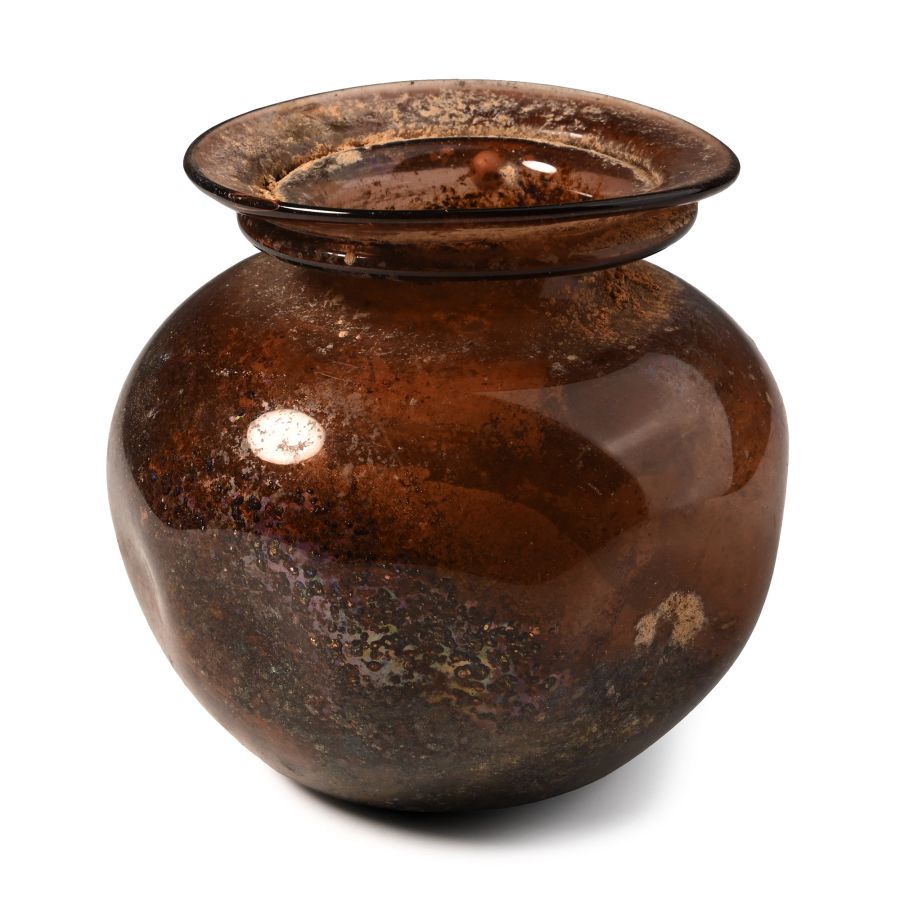
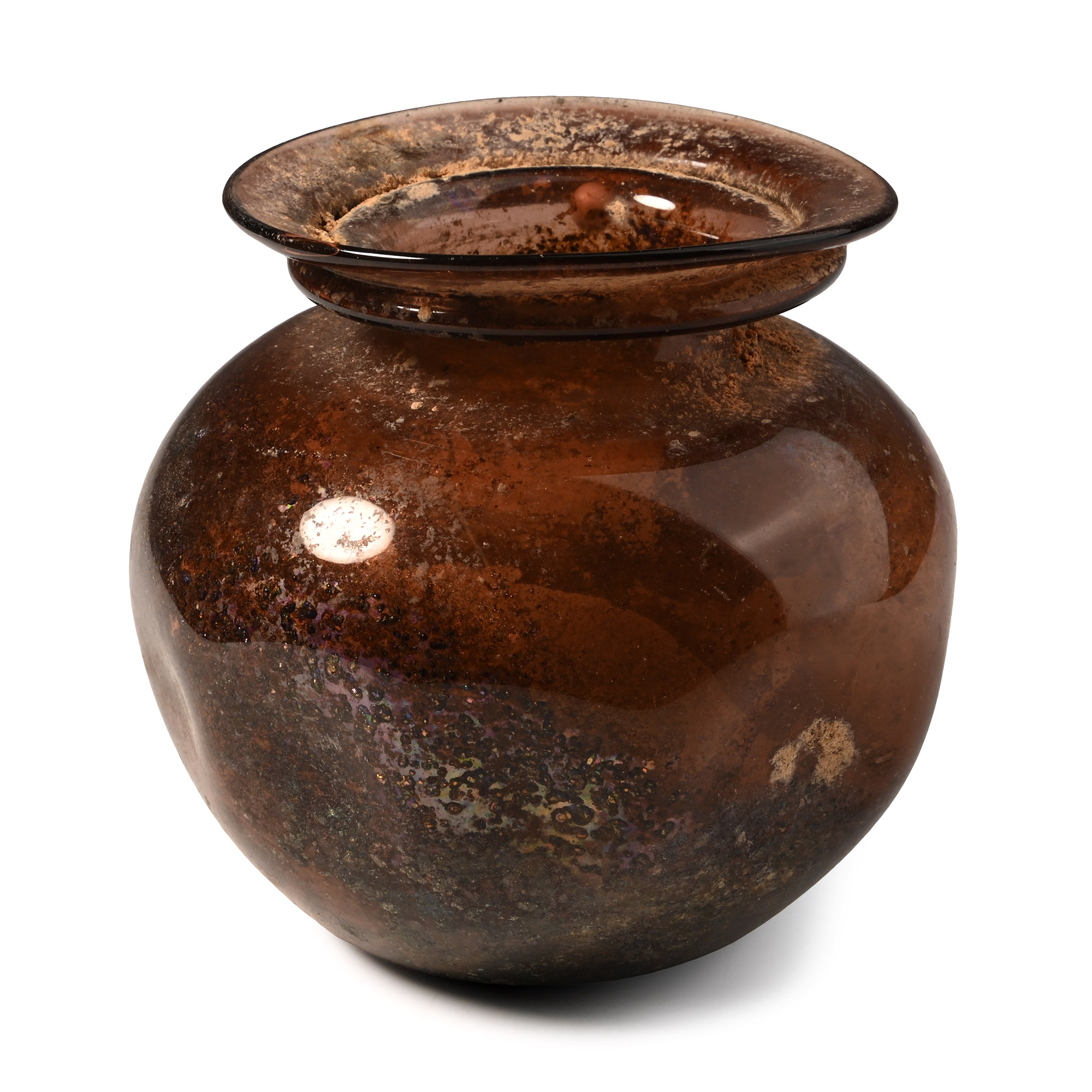
Roman Mould Blown Aubergine Glass Jar
CIRCA 3RD CENTURY A.D.
3 in. (72 grams, 77 mm).
Of squat profile with dimples to the equator, gussetted neck, broad mouth with rolled and everted rim; dimple to the underside.
ProvenanceFrom an important collection of glass, London, UK, 1990s.
LiteratureCf. Lightfoot, C.S., Ancient Glass in National Museums Scotland, Edinburgh, 2007, item 374, for type.
CONDITIONTimeLine Auctions follows a vetting process to ensure the authenticity and legality of all items, reinforcing our commitment to integrity and responsible trading. Each antiquity, antique, and coin lot undergoes thorough examination by a vetting committee of at least ten external specialists, professional trade association members, scientists, and archaeologists: Our Vetting Process
AUCTIONS:
TimeLine is a leading auction house specialising in antiquities, ancient art, collectables, natural history, coins, medals, and books. Our auctions offer museums, collectors, historians, and enthusiasts the opportunity to acquire unique and historically significant pieces.
-
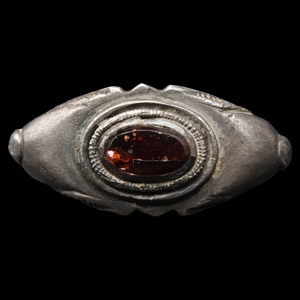
Roman Silver Ring with Garnet
Circa 3rd century A.D.Sold for (Inc. bp): £416
A D-section silver hoop with leaf to each shoulder and ropework border to the void, flat scaphoid plaque with tiered bezel and inset garnet. 21.37 grams, 35.28 mm overall, 20.60 x 15.27 mm internal diameter (approximate size British L, USA 5 3/4, Europe 11.24, Japan 10)
Ex property of a private collector; acquired before 1975. -
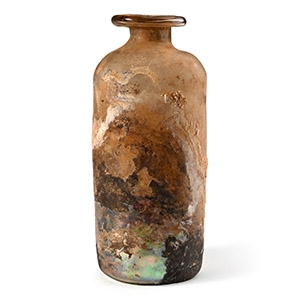
Roman Light Brown Glass Bottle
1st century B.C.-1st century A.D.Estimate: £200 - 300 (+bp*)
Opening Bid: £100
Mould-blown, comprising a flat-based tubular body and short neck with returned flange rim. 69 grams, 14.4 cm
From an important collection of glass, London, UK, 1990s. -
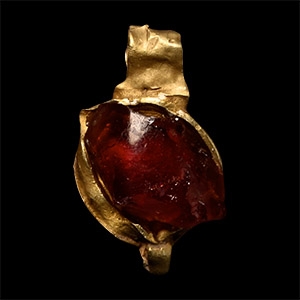
Roman Gold and Garnet Pendant
1st-4th century A.D.Sold for (Inc. bp): £286
Discoid in plan with integral loop, inset irregular garnet. 0.19 grams, 8 mm
From the collection of a late Japanese gentleman, 1970s onwards.
