
Loading, please wait...
LOT 0582
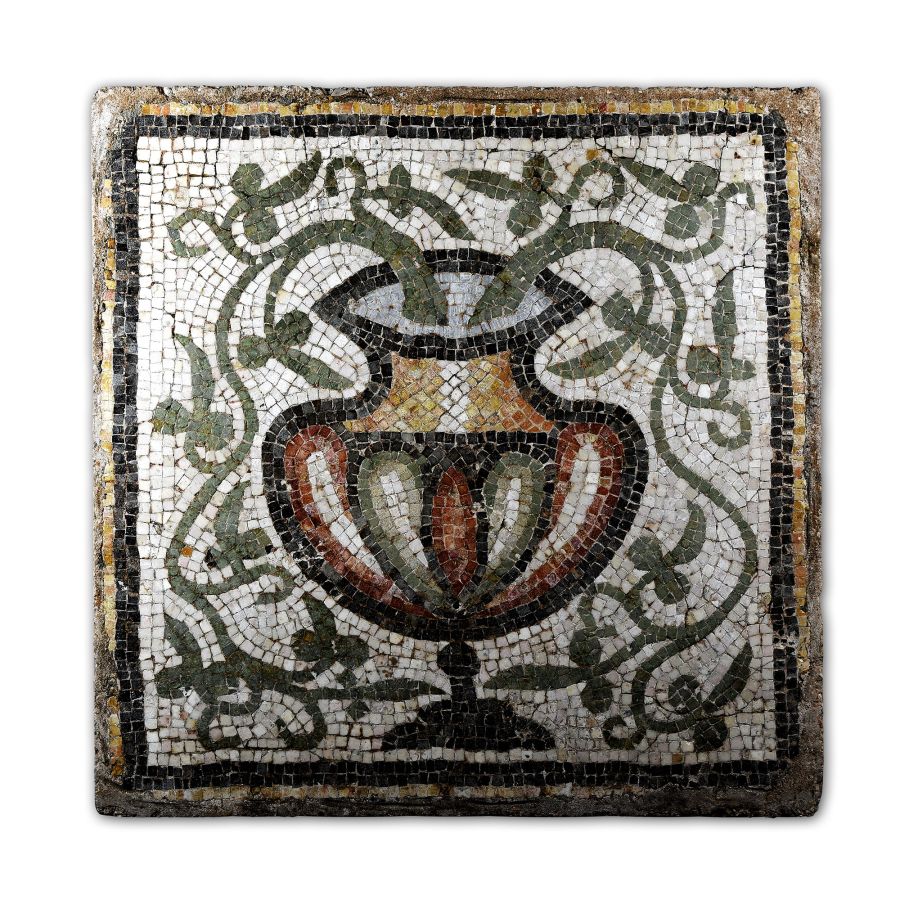
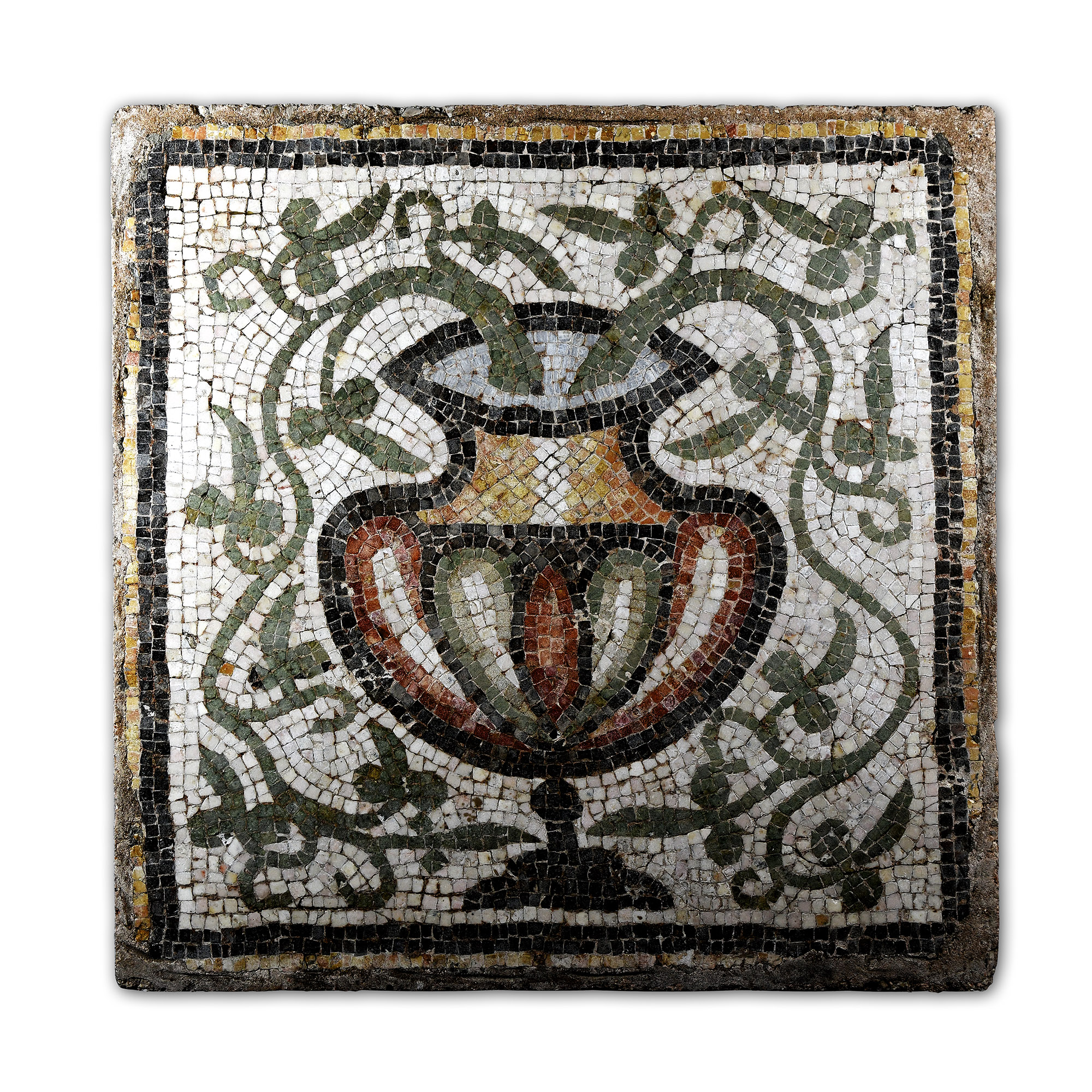
Roman Mosaic with Kantharos and Vines
4TH-6TH CENTURY A.D.
26 1/2 x 26 1/2 in. (56 kg, 67.5 x 67.5 cm).
An attractive rectangular panel of mosaic tesserae with central ribbed kantharos executed in coral pink, amber-yellow, and green segments with tiered foot; issuing from the scaphoid opening two vines with curled tendrils and trefoil leaves in pale green; white field with grey-black border; restored and set into a mid 20th century reinforced mortar matrix.
ProvenanceAcquired in the 1950s-early 1990s.
From the Igor Karmiloff (1925-2016) collection, UN economist and author of Flashbacks, Icons of Impermanence, Bloomington, 2009.
This lot has been checked against the Interpol Database of stolen works of art and is accompanied by a search certificate number no.12746-233888.
This lot has been cleared against the Art Loss Register database, and is accompanied by an illustrated lot declaration signed by the Head of the Antiquities Department, Dr Raffaele D'Amato.
See Pappalardo, U., Greek and Roman Mosaics, New York, 2019; cf. Neal, D.S. & Cosh, S.R., Roman Mosaics of Britain. Vol I. Northern Britain, Society of Antiquaries, London, 2002; Watts, D.J., Christians and Pagans in Roman Britain, Abingdon, 1991.
FootnotesThe motif of the kantharos, krater or amphora with vines emerging from the mouth is widely represented in classical art and was seemingly a popular motif for the mosaicist with examples found in areas as widespread as North Africa and northern Britain. The origins of the motif are probably to be found in the cult of Bacchus (Greek Dionysos) with its ritualised drunkenness expressed in the vine which gives rise to the grapes to be transformed into wine, and the drinking cup from which it is received. In later Roman times, the motif was reinterpreted as Christ (the Eucharist symbolised by the cup) from whom the vine grows representing the spread of the Christian message and the growth of the church (Watts, 1991, p.208).
CONDITIONTimeLine Auctions follows a vetting process to ensure the authenticity and legality of all items, reinforcing our commitment to integrity and responsible trading. Each antiquity, antique, and coin lot undergoes thorough examination by a vetting committee of at least ten external specialists, professional trade association members, scientists, and archaeologists: Our Vetting Process
AUCTIONS:
TimeLine is a leading auction house specialising in antiquities, ancient art, collectables, natural history, coins, medals, and books. Our auctions offer museums, collectors, historians, and enthusiasts the opportunity to acquire unique and historically significant pieces.
-
.jpg)
Roman Gemstone Collection
2nd-3rd century A.D. and laterSold for (Inc. bp): £546
Including a rock crystal insert with intaglio hoplite and two other intaglio warriors, a later cameo with female bust. 2.16 grams total, 11-15 mm
Norfolk family collection, 1940s-1960s; thence by descent. This lot is accompanied by an illustrated lot declaration signed by the Head of the Antiquities Department, Dr Raffaele D'Amato. -
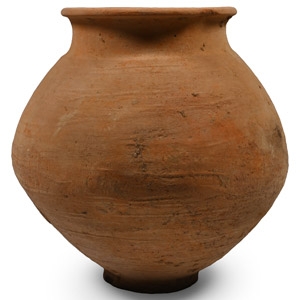
Roman Terracotta Storage Jar
1st-4th century A.D.Sold for (Inc. bp): £72
Biconical in profile for low foot and flared rim. 990 grams, 18.5 cm
Acquired in the 1990s. Ex Abelita family collection. This lot is accompanied by an illustrated lot declaration signed by the Head of the Antiquities Department, Dr Raffaele D'Amato. -
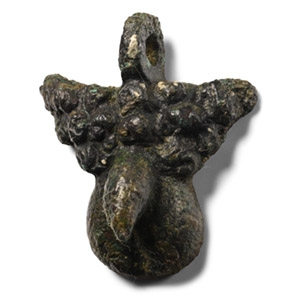
Roman Bronze Phallic Pendant
Circa 1st century A.D.Sold for (Inc. bp): £546
Anatomically depicted with tight curls to the lower abdomen. 27.8 grams, 38 mm
Ex London and Home Counties gentleman, R.W., 1970s. This lot is accompanied by an illustrated lot declaration signed by the Head of the Antiquities Department, Dr Raffaele D'Amato.
