
Loading, please wait...
LOT 0795
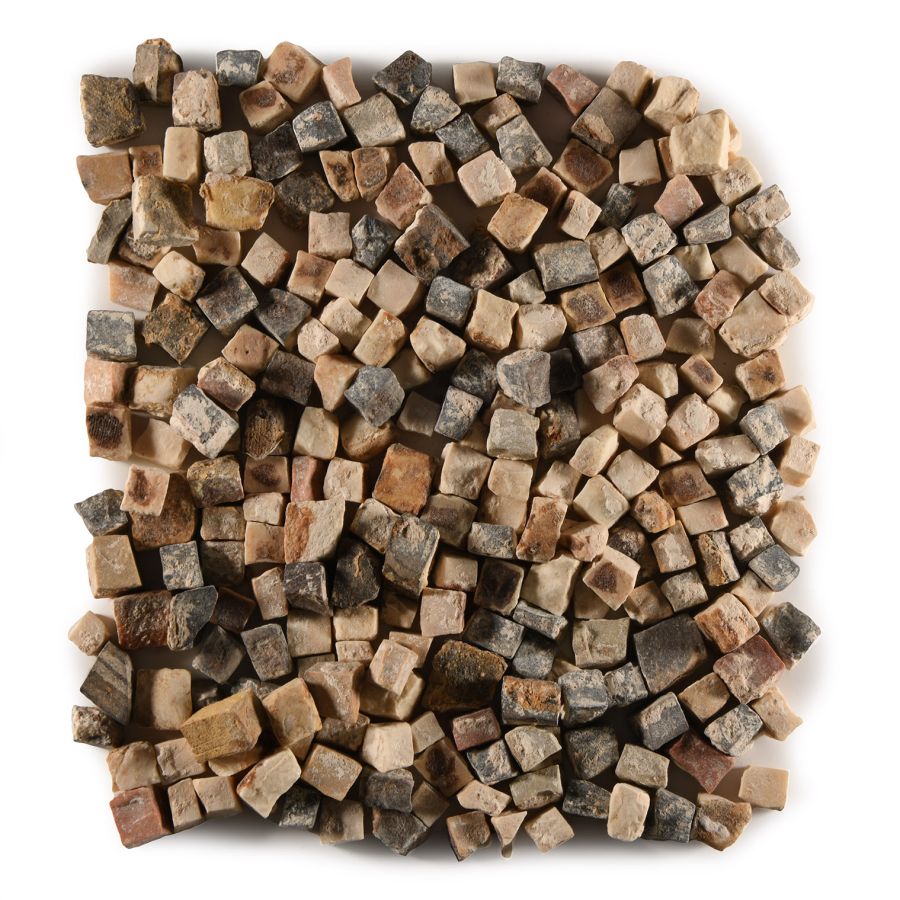
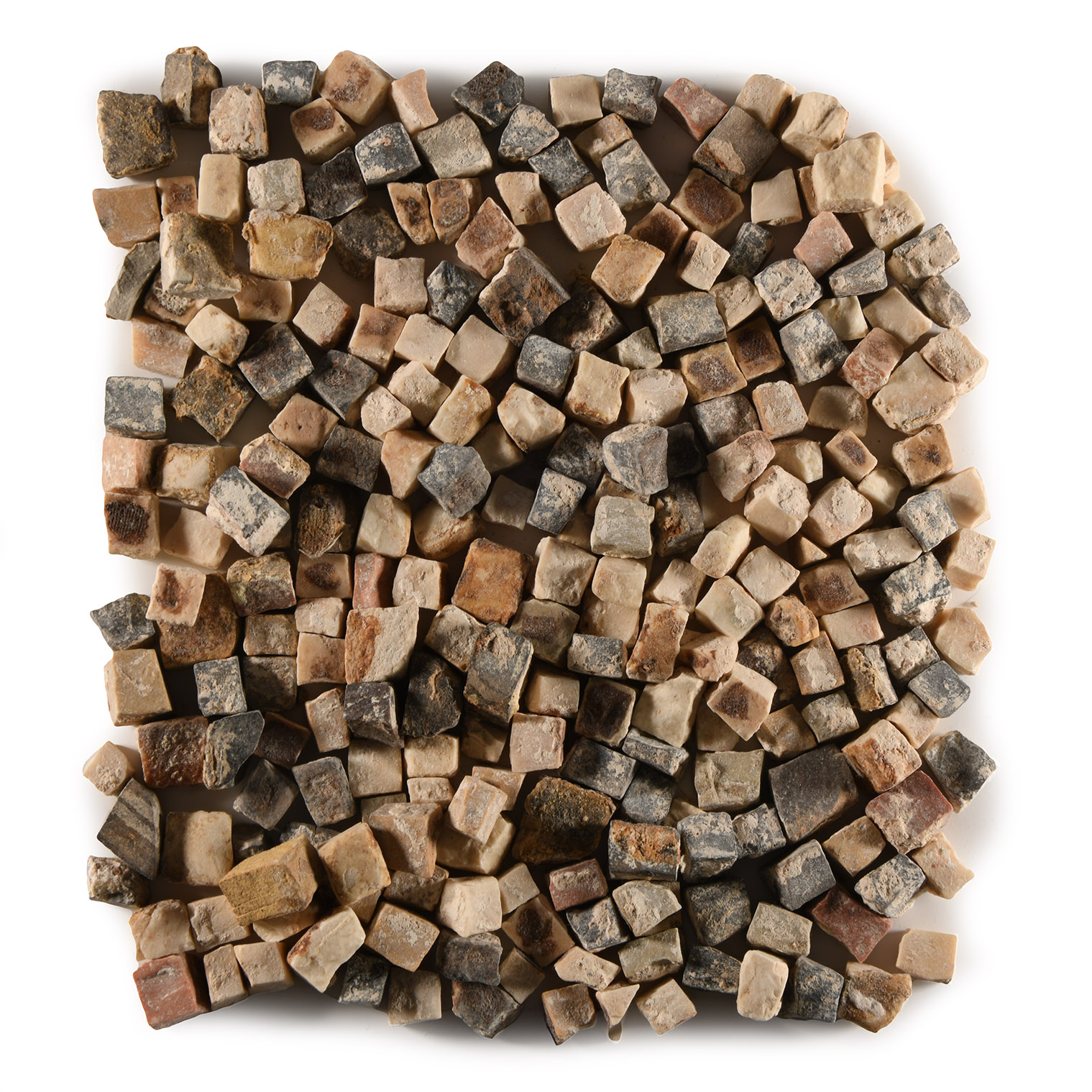
Roman Mosaic Tesserae Group
1ST-4TH CENTURY A.D.
1/4 - 1/2 in. (392 grams total, 8-14 mm).
A mixed group of two hundred and fifty single stone tesserae of various colours and sizes. [250, No Reserve]
ProvenanceFrom a collection acquired on the UK art market from various auction houses and collections mostly before 2000.
From an important Cambridgeshire estate; thence by descent.
TimeLine Auctions follows a vetting process to ensure the authenticity and legality of all items, reinforcing our commitment to integrity and responsible trading. Each antiquity, antique, and coin lot undergoes thorough examination by a vetting committee of at least ten external specialists, professional trade association members, scientists, and archaeologists: Our Vetting Process
AUCTIONS:
TimeLine is a leading auction house specialising in antiquities, ancient art, collectables, natural history, coins, medals, and books. Our auctions offer museums, collectors, historians, and enthusiasts the opportunity to acquire unique and historically significant pieces.
-
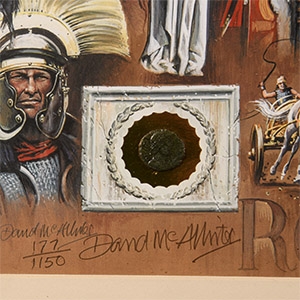
Roman Coin and Limited Edition Framed Print
3rd century A.D. and laterSold for (Inc. bp): £13
The coin mounted on 22 carat gold foil, framed with an art print signed by the artist David McAllister, depicting scenes of Roman military activity; limited edition number 177/1150. 1.27 kg, 37 x 49.5 cm
UK gallery, early 2000s. Accompanied by an old certificate of authenticity.
David McAllister's exciting design is a 'one of a kind' work that portrays the might and riches of the Roman civilisation. This limited edition print is a celebration of the award winning artist's lifetime dedication to historical paintings of the ancient world. To enhance appreciation of this rare and historic work, each individual print is signed and numbered by the artist. -
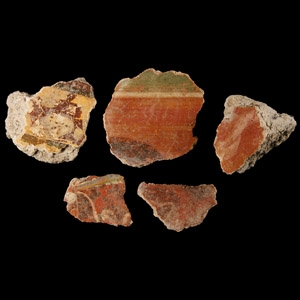
Roman Fresco Painted Wall Plaster Collection
1st century A.D.Sold for (Inc. bp): £130
Comprising five pieces in cream, orange, blue and red with painted architectural lines; one with floral decoration and several with border elements. 194 grams total, 51-79 mm
Acquired in the 19th century. Ex Jeger collection, Switzerland. -
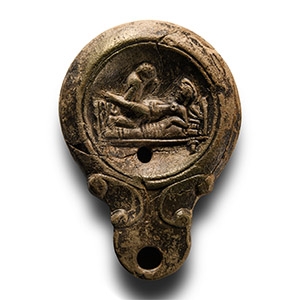
Roman Terracotta Oil Lamp with Erotic Scene
Circa 2nd century A.D.Sold for (Inc. bp): £1,950
Squat burnished pottery lamp with stub nozzle, high-relief scene of two lovers on a couch; maker's mark 'LMVNSVC' to the underside. 64 grams, 95 mm
From the collection of French archaeologist Suzanne Gozlan (1921-2022).
The lamp belongs to the Bailey type B group ii (Loeschke type IV), usually dated from Tiberian to Trajanic times. Erotic lamps were particularly popular before the Christianisation of the Roman Empire. Roman sexuality differed considerably from later Christian European attitudes. Roman religion promoted sexuality as one of the fundamental aspects of prosperity for the entire state; individuals could turn to private religious practice, or even magic, to improve their erotic life or health and reproductive capacity; moreover, prostitution in ancient Rome was legal, public and widespread. Artistic subjects that today we would define without hesitation as pornography, were present among the art collections of the most respectable and high status Roman families.
