
Loading, please wait...

LOT 0964
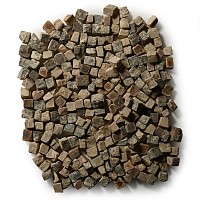
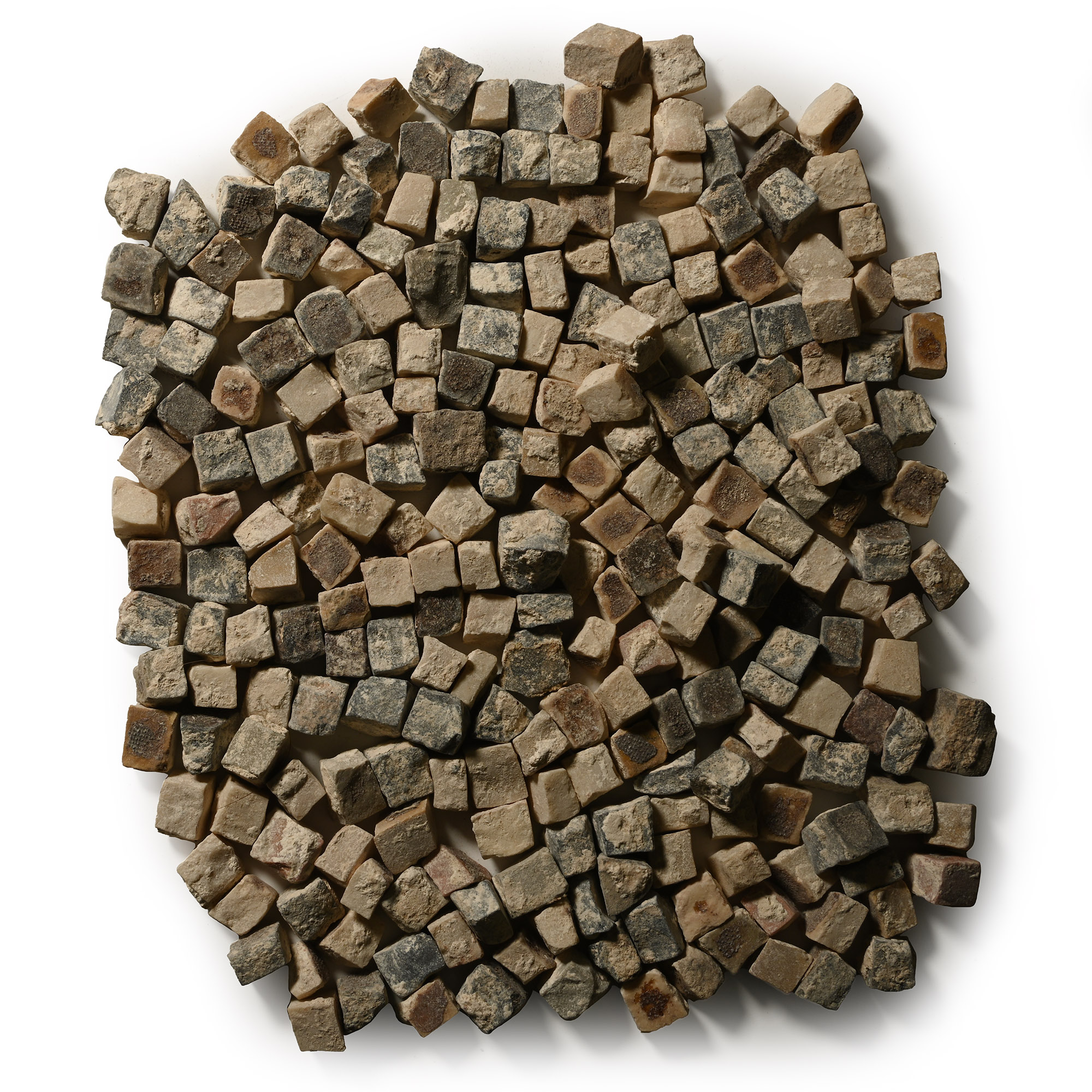
Roman Mosaic Stone Tesserae Group
1ST-4TH CENTURY A.D.
1/4 - 1/2 in. (361 grams total, 8-12 mm).
A mixed group of two hundred and fifty single tesserae of various colours and sizes, mostly cuboid. [250, No Reserve]
ProvenanceFrom a collection acquired on the UK art market from various auction houses and collections mostly before 2000.
From an important Cambridgeshire estate; thence by descent.
For similar tesserae see Gabucci, A., Pejrani Baricco, L., Ratto, S., Per il Museo di Ivrea, La sezione archeologica del Museo Civico P.A. Garda, Sesto Fiorentino, 2014, cover, mosaic from a Domus of Eporedia.
FootnotesRoman mosaics were made from small cubes of natural stone and terracotta possibly cut from tile or brick. Each of these small cubes was called a tessera (plural tesserae) from the Latin word for dice.
CONDITIONTimeLine Auctions follows a vetting process to ensure the authenticity and legality of all items, reinforcing our commitment to integrity and responsible trading. Each antiquity, antique, and coin lot undergoes thorough examination by a vetting committee of at least ten external specialists, professional trade association members, scientists, and archaeologists: Our Vetting Process
AUCTIONS:
TimeLine is a leading auction house specialising in antiquities, ancient art, collectables, natural history, coins, medals, and books. Our auctions offer museums, collectors, historians, and enthusiasts the opportunity to acquire unique and historically significant pieces.
-
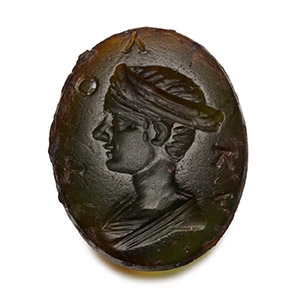
Roman Chrome Chalcedony Gemstone of a Noble Lady
2nd century A.D.Sold for (Inc. bp): £715
With intaglio profile bust of a wealthy lady facing left, possibly an empress; supplied with a museum-quality impression. 0.62 grams, 13 mm
Private English collection, formed between the late 1970s and early 1990s. Private collection, London, UK. -
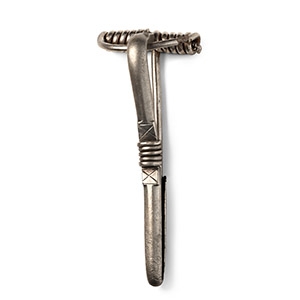
Roman Silver Bow Brooch
2nd-3rd century A.D.Sold for (Inc. bp): £312
Comprising an elliptical-section bow with D-shaped chord and spring extending to the pin; rectangular foot with catch to the reverse; top of catch extended to a wire coiled about the lower bow. 29 grams, 81 mm
Private collection formed in Europe in the 1980s. Westminster collection, central London, UK. -
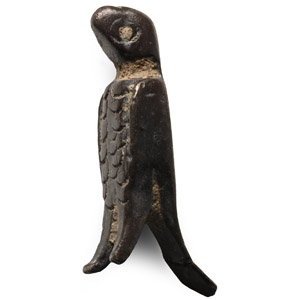
Roman Silver Eagle Statuette
Circa 1st-2nd century A.D.Sold for (Inc. bp): £72
Stylised standing eagle with elongated body and long curving tail. 2.96 grams, 20 mm
From a private Tyneside collection, formed since the early 2000s.
