
Loading, please wait...
LOT 0648
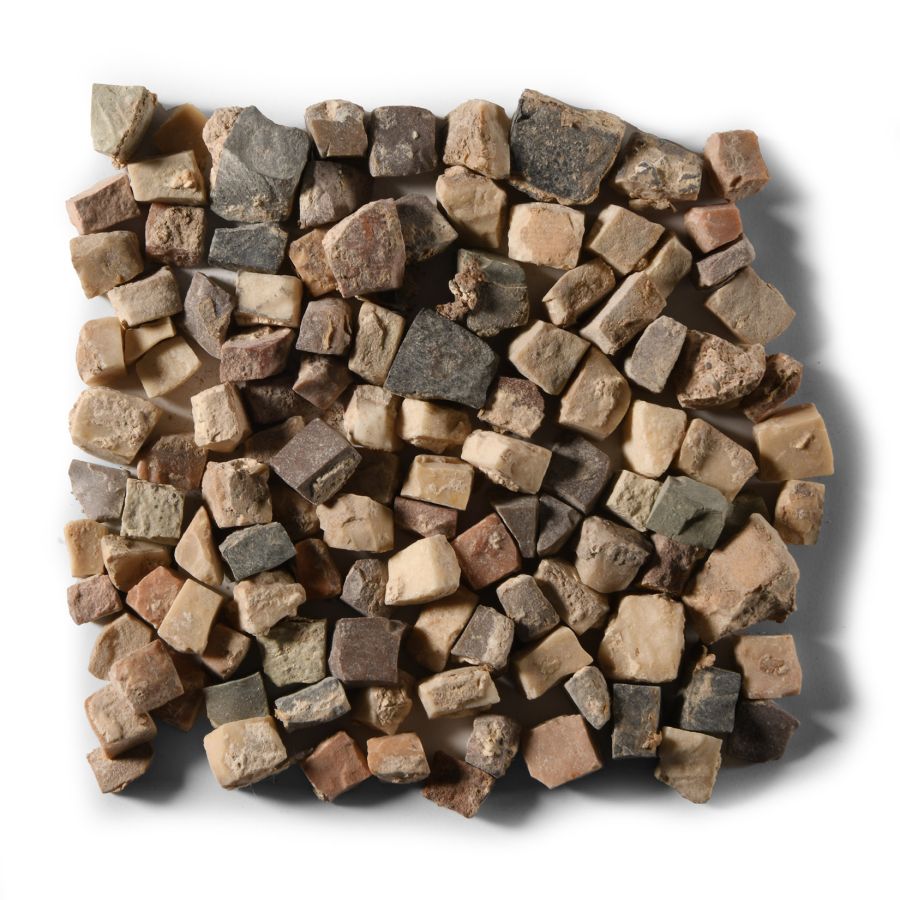
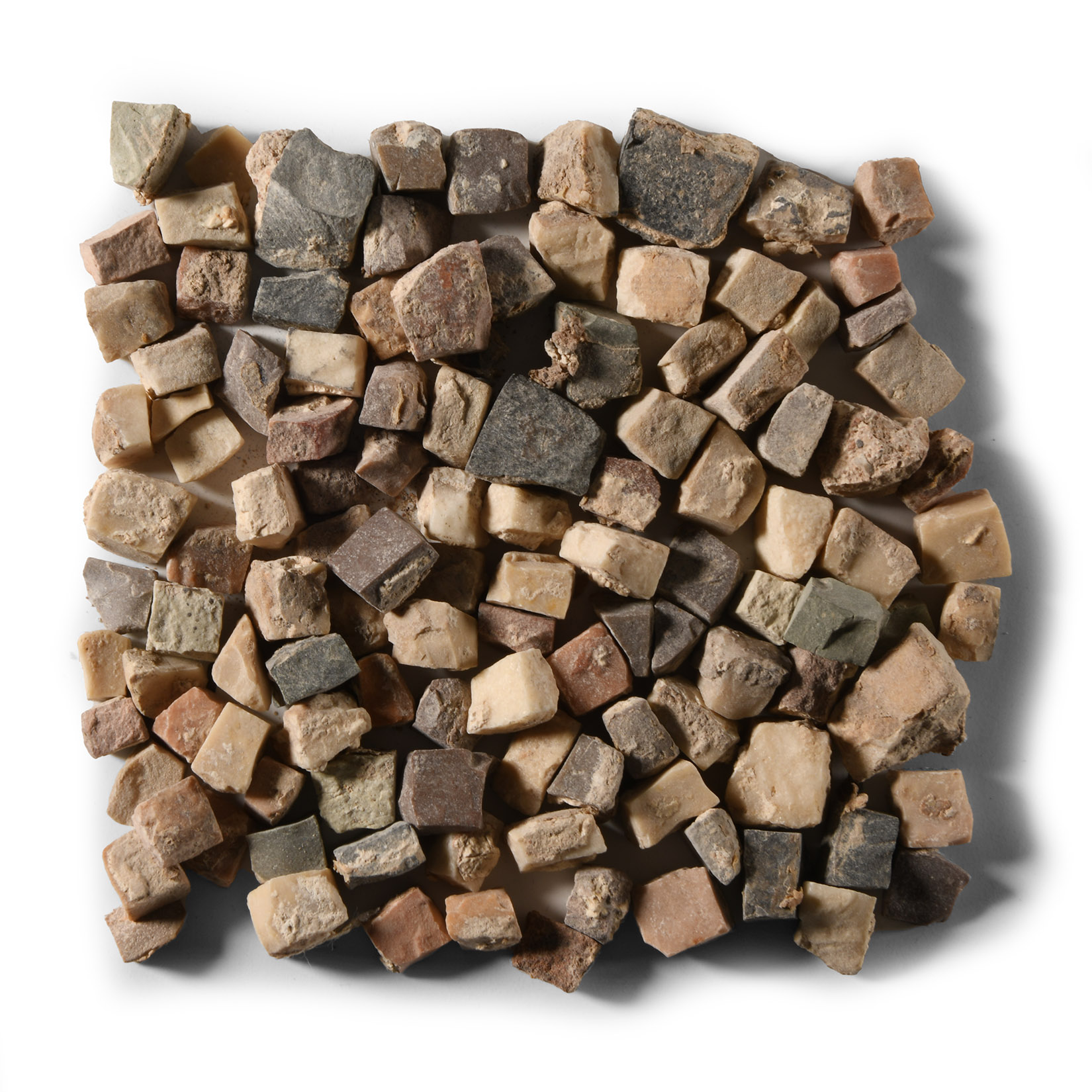
Roman Mosaic Stone Tesserae Group
1ST-4TH CENTURY A.D.
1/4 - 1/2 in. (76 grams total, 6-14 mm).
A mixed group of over hundred single tesserae of various colours and sizes. [113]
ProvenanceAcquired 1980-2015.
Ex Abelita family collection.
TimeLine Auctions follows a vetting process to ensure the authenticity and legality of all items, reinforcing our commitment to integrity and responsible trading. Each antiquity, antique, and coin lot undergoes thorough examination by a vetting committee of at least ten external specialists, professional trade association members, scientists, and archaeologists: Our Vetting Process
AUCTIONS:
TimeLine is a leading auction house specialising in antiquities, ancient art, collectables, natural history, coins, medals, and books. Our auctions offer museums, collectors, historians, and enthusiasts the opportunity to acquire unique and historically significant pieces.
LOT 0648
Roman Mosaic Stone Tesserae Group
Estimate £120 - 170€140 - 200 (for guidance only)$160 - 230 (for guidance only)
-
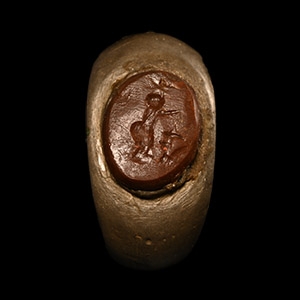
Roman Silver Ring with Advancing Bull Gemstone
Circa 2nd century A.D.Sold for (Inc. bp): £338
With a later inset jasper cloison, intaglio advancing bull motif. 8.62 grams, 26.05 mm overall, 20.85 mm internal diameter (approximate size British N 1/2, USA 6 3/4, Europe 14.35, Japan 13)
Acquired between the 1960s-early 1990s. From an old UK private collector from Worthing, West Sussex, UK. Property of K.P., a Cornish lady collector, UK. -
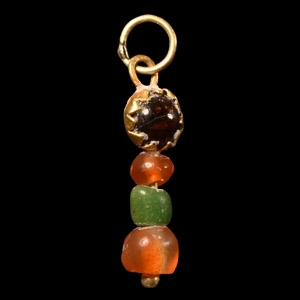
Roman Gold Pendant with Beads
1st-4th century A.D.Sold for (Inc. bp): £195
Vertical gold shank with loop above, cell with inset garnet cabochon and three annular beads. 0.62 grams, 22 mm
From a late Japanese specialist collector, 1970-2000s. -
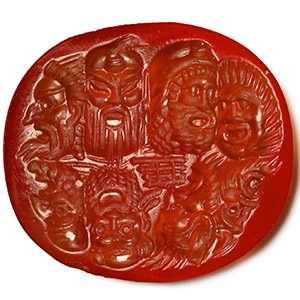
Roman Carnelian Gemstone with Theatre Masks
1st-3rd century A.D.Sold for (Inc. bp): £3,640
Polished to an oval shape, engraved with eight theatre masks in two rows; one row with three tragic masks in profile, one depicting a satyr, and a tragic mask of an old man shown frontally; the opposing row with a tragic mask of an old man in profile, a Bacchus mask, a mask of a bearded man wearing a cap shown in three-quarter view, and a mask of a young hero facing the centre. 2.51 grams, 22.02 mm
From the collection of a late London, UK, gentleman, 1980s. This lot has been checked against the Interpol Database of stolen works of art and is accompanied by search certificate no.12033-214124.
The masks represented seem to be relevant to the typologies of the 'new comedy', an image that appears on cameos and gems since the Augustan era.
