
Loading, please wait...
_900x900.jpg "Roman Marble Torso")
_200x200.jpg "Roman Marble Torso")
_900x900.jpg "Roman Marble Torso")
_200x200.jpg "Roman Marble Torso")
_900x900.jpg "Roman Marble Torso")
_200x200.jpg "Roman Marble Torso")
.jpg "Roman Marble Torso")
.jpg "Roman Marble Torso")
.jpg "Roman Marble Torso")
LOT 0116
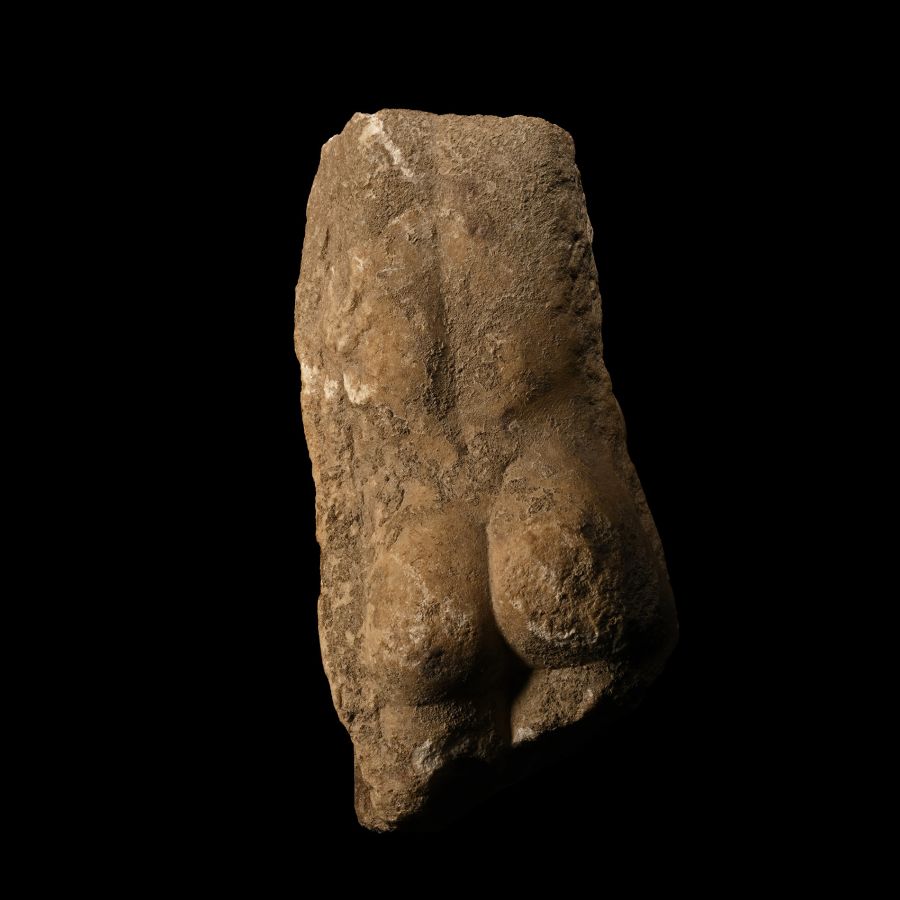
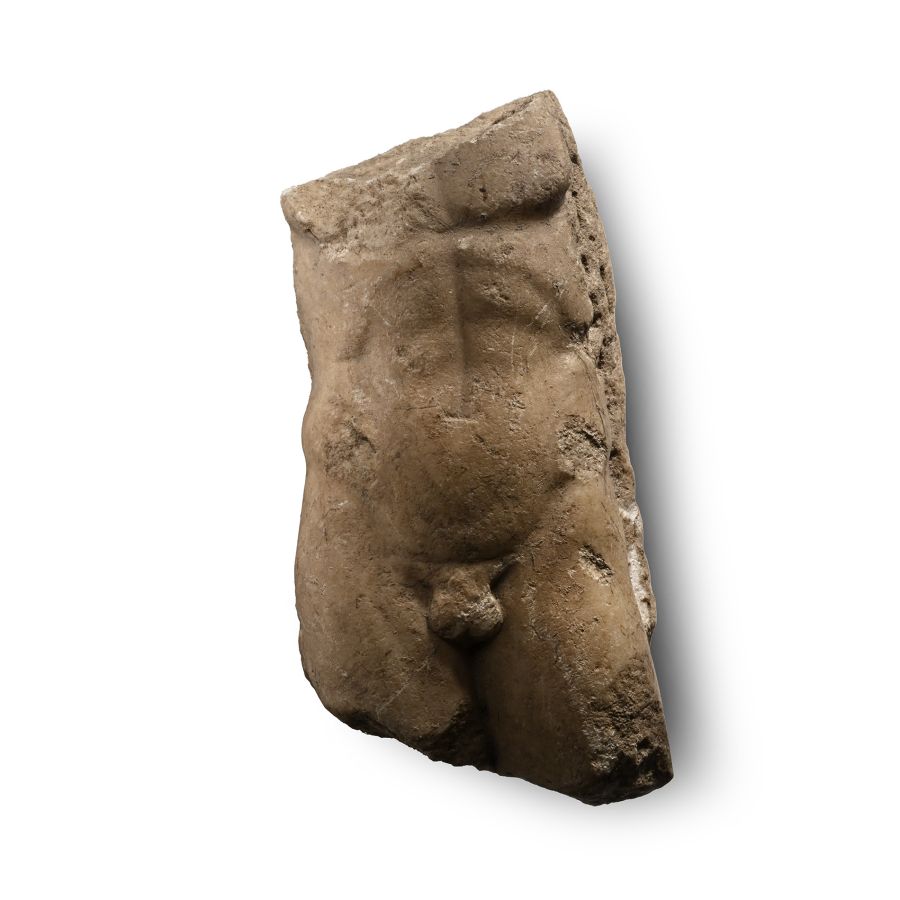
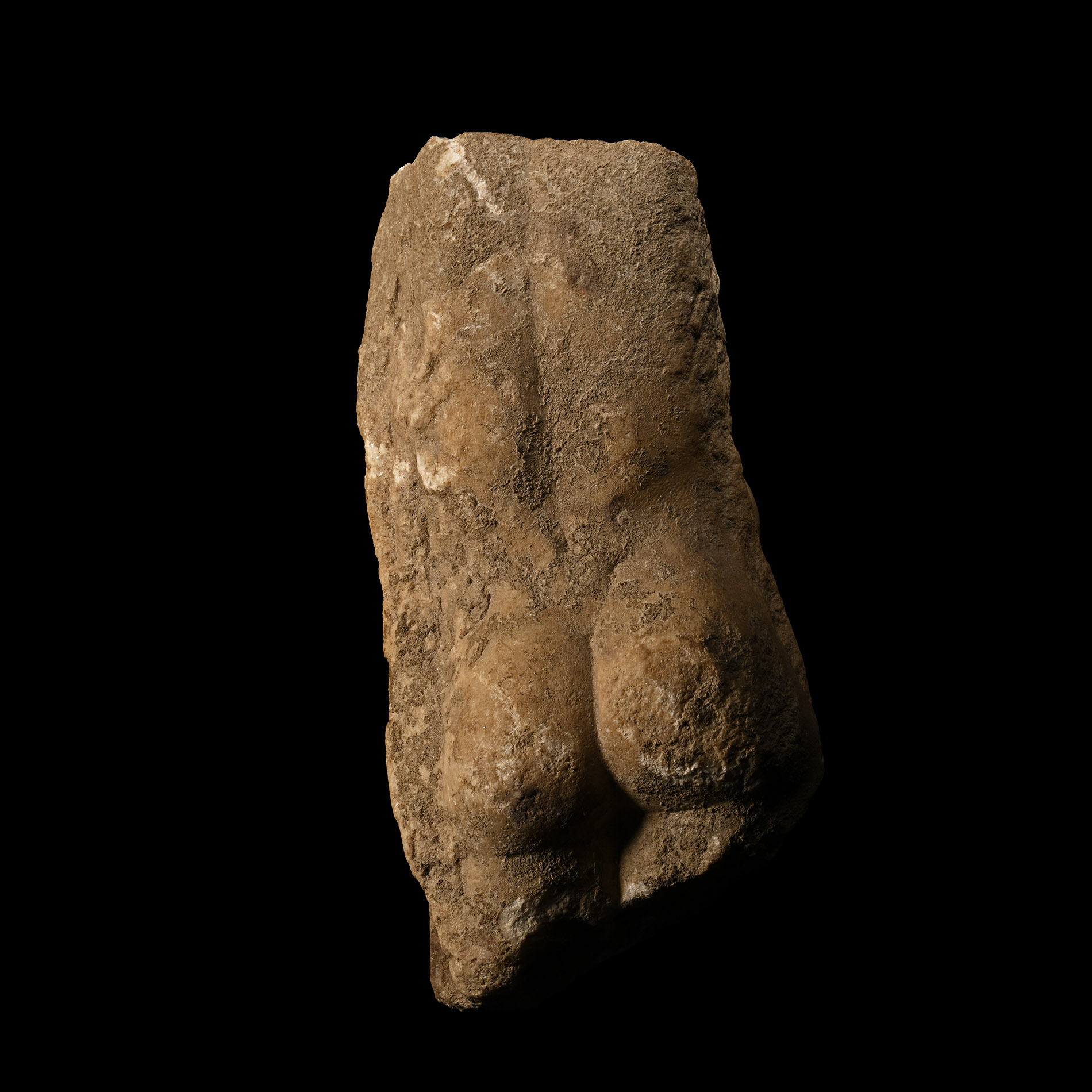
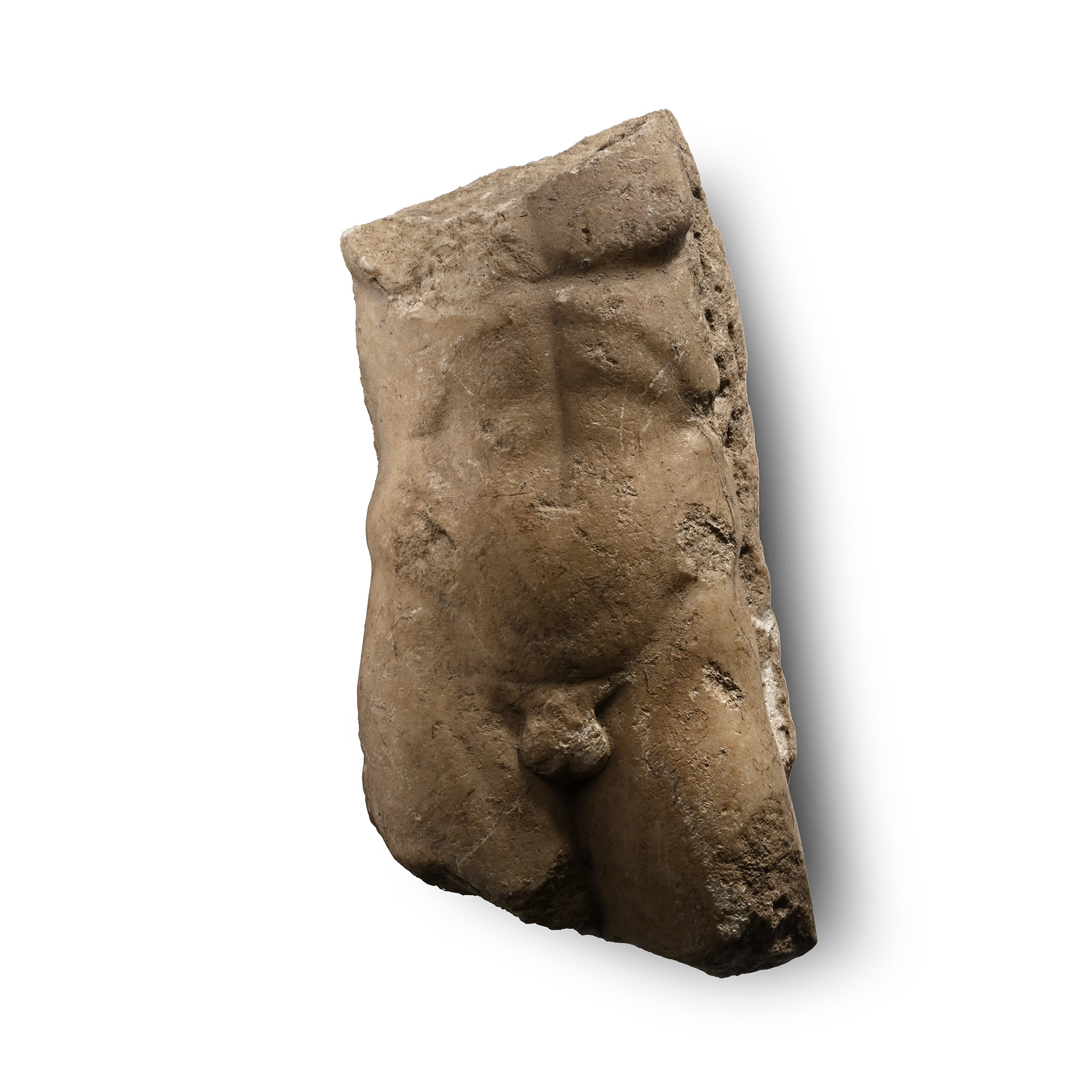
Roman Marble Torso
1ST-3RD CENTURY A.D.
9 in. (3.27 kg, 23 cm.).
Carved in the round, nude male torso resting against a tree (or jamb of an arch), with skilfully delineated musculature, in contrapposto pose; abraded.
ProvenanceAcquired in the mid 1980s-1990s.
Private collection, Switzerland, thence by descent.
Private collection, since the late 1990s.
This lot has been checked against the Interpol Database of stolen works of art and is accompanied by search certificate number no.12230-222368
TimeLine Auctions follows a vetting process to ensure the authenticity and legality of all items, reinforcing our commitment to integrity and responsible trading. Each antiquity, antique, and coin lot undergoes thorough examination by a vetting committee of at least ten external specialists, professional trade association members, scientists, and archaeologists: Our Vetting Process
AUCTIONS:
TimeLine is a leading auction house specialising in antiquities, ancient art, collectables, natural history, coins, medals, and books. Our auctions offer museums, collectors, historians, and enthusiasts the opportunity to acquire unique and historically significant pieces.
-
.jpg)
Roman Bronze Eagle on Globe Statuette
3rd-4th century A.D.Sold for (Inc. bp): £390
Modelled in the round with naturalistic detailing, standing on globe with wings held open. 39 grams, 39 mm
‘The Ancient Menagerie Collection’ formerly the property of a Cambridgeshire lady, collected since the 1990s and acquired from auctions and dealers throughout Europe and the USA, now ex London collection. -
Roman Marble Female Torso
1st-3rd century A.D.Sold for (Inc. bp): £910
The upper body draped with an upper part of an exomis, twisted on the shoulder and falling softly on the back; the right breast still visible, as well as the attachment portion of the neck. 7.95 kg, 23 cm wide
Acquired by the current owner in Munich, Germany, 1990s. English private collection.
The way in which the exomis is twisted on the left shoulder and the presence of the exposed right breast could indicate that the original statue was that of an Amazon, with particular reference to the Amazon from the Albertoni collection in Rome, which has now disappeared. -
Roman Bronze Artefact Collection
1st-3rd century A.D.Sold for (Inc. bp): £46
Including a gilt tutulus brooch, section of a plumbata missile, dolphin brooch, enamelled disc brooch, surgical probe and other items. 176 grams total, 2-11.4 cm
Found various site in the UK. Ex N.Mills.
