
Loading, please wait...
LOT 0866
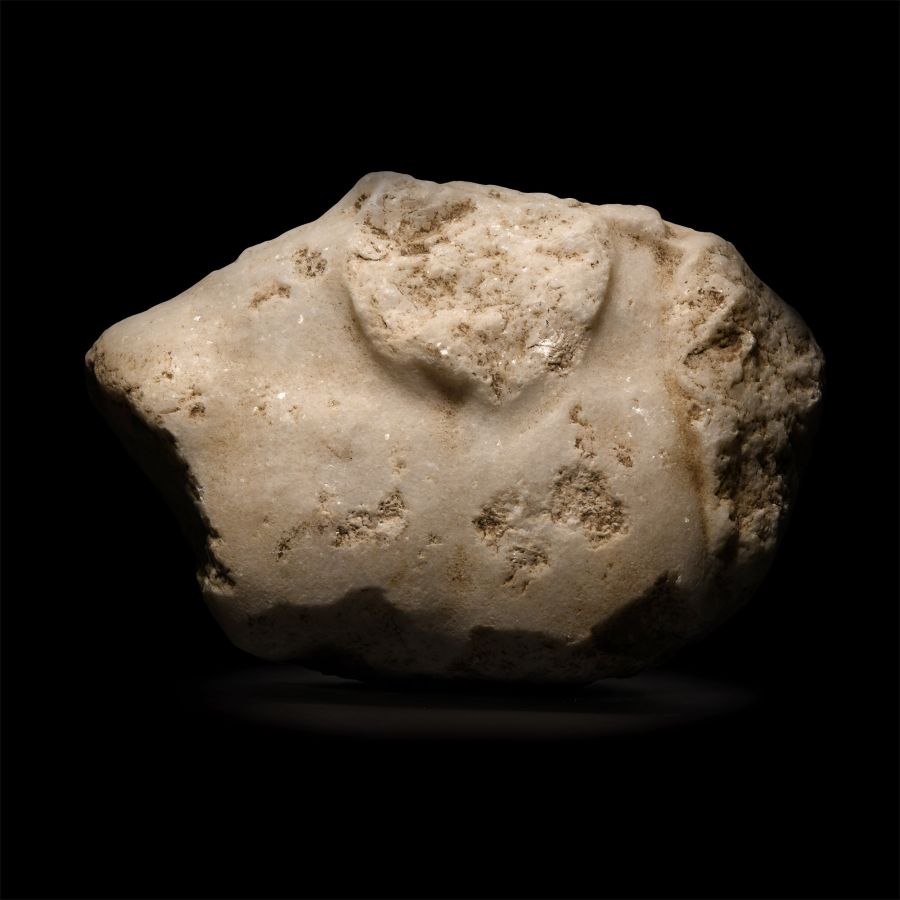
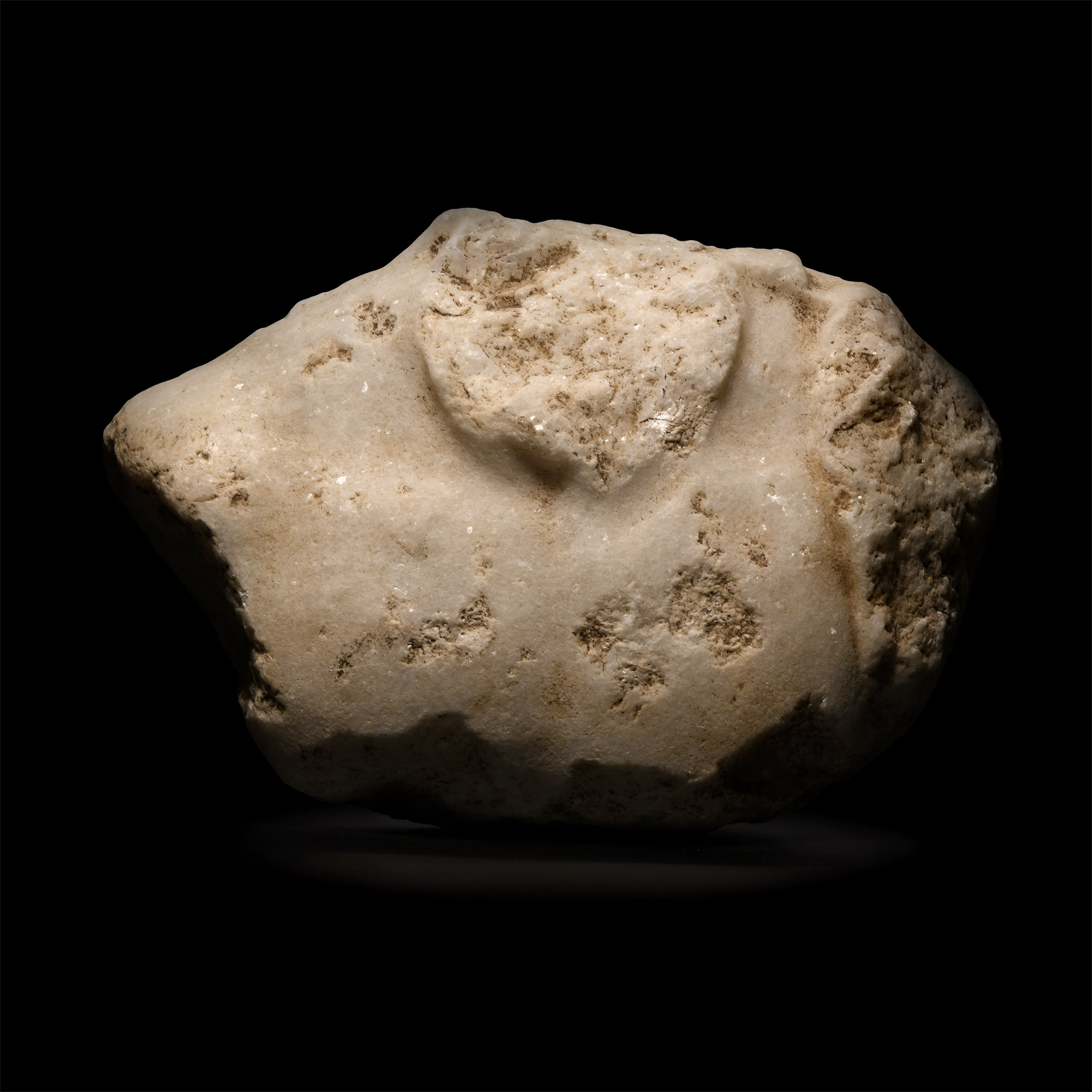
Roman Marble Male Bust
1ST-3RD CENTURY A.D.
11 1/4 in. (9.95 kg, 29 cm wide).
With a portion of the upper pectoral muscles still visible, part of a cloak (chlamys) gathered on the left shoulder.
ProvenanceFrom an English private collection, 1970s-late 1990s.
English private collection.
Cf. Reinach, S., Repertoire de la statuarie Grecque et Romaine, Paris, 1930, figs. pp.6-14 (Zeus); pp.31-37(Asklepios); pp.149-151,163, (Hermes); 179,183 (Ares).
FootnotesThe original statue or bust represented an athletic type, probably a hero or a demigod, or the god of war, Ares. However, the presence of the cloak resting on the left shoulder could also recall statues of divinities, such as Zeus with his left arm raised, or Asklepios, or Hermes.
CONDITIONTimeLine Auctions follows a vetting process to ensure the authenticity and legality of all items, reinforcing our commitment to integrity and responsible trading. Each antiquity, antique, and coin lot undergoes thorough examination by a vetting committee of at least ten external specialists, professional trade association members, scientists, and archaeologists: Our Vetting Process
AUCTIONS:
TimeLine is a leading auction house specialising in antiquities, ancient art, collectables, natural history, coins, medals, and books. Our auctions offer museums, collectors, historians, and enthusiasts the opportunity to acquire unique and historically significant pieces.
-
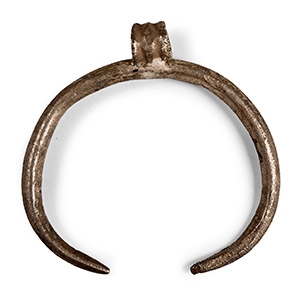
Roman Silver Lunar Pendant
2nd-3rd century A.D.Sold for (Inc. bp): £78
Of crescentic form with integral ribbed suspension loop. 2.66 grams, 30 mm
Ex German art market, 2000s. Acquired from an EU collector living in London. From the collection of Surrey, UK, gentleman. -
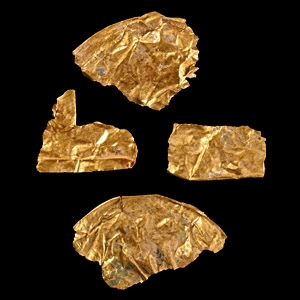
Roman Sheet Gold Phalera Cover Fragment Group
4th-5th century A.D.Sold for (Inc. bp): £65
Group of fragments of phalera covers with repoussé designs. 1.77 grams total, 10-37 mm
Acquired in the early 1990s. From the collection of an London antiquarian. -
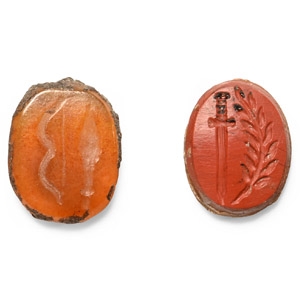
Roman Gemstone Pair
2nd-3rd century A.D.Sold for (Inc. bp): £169
Comprising: an oval orange carnelian intaglio with a bow and tall amphora; a red jasper intaglio with a sword and palm branch. 0.44 grams total, 8-9 mm
From an old private collection of Norfolk, UK, gentleman, formed since 1998.
