
Loading, please wait...
LOT 0858
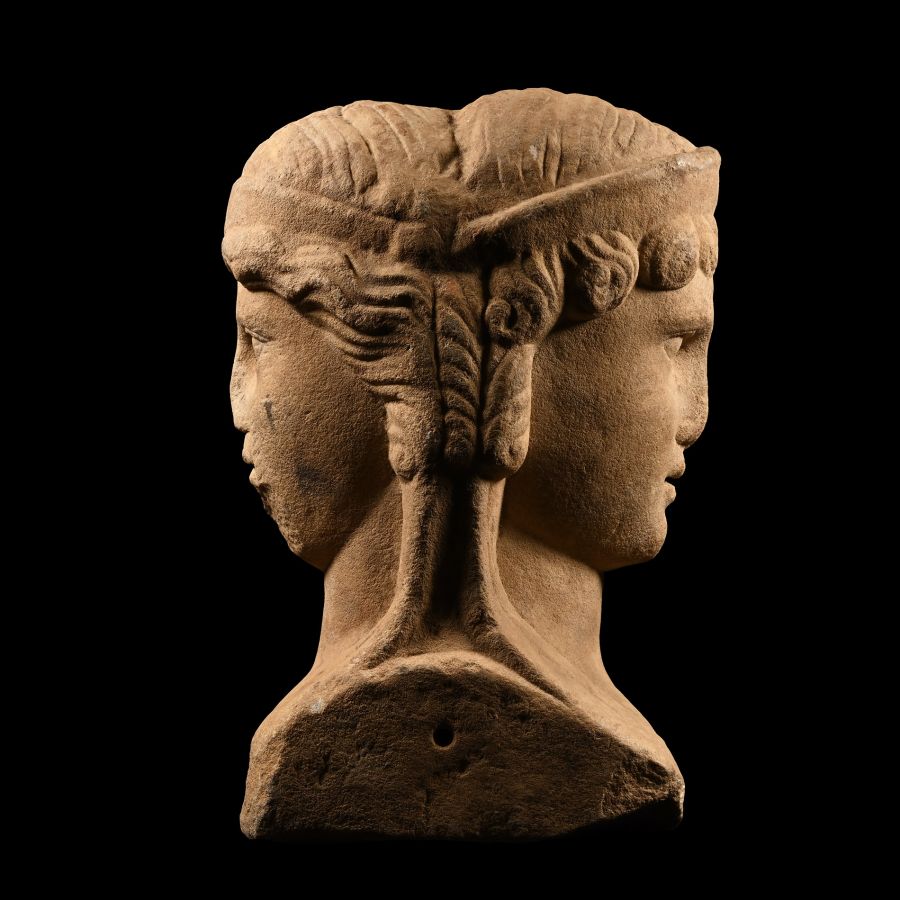
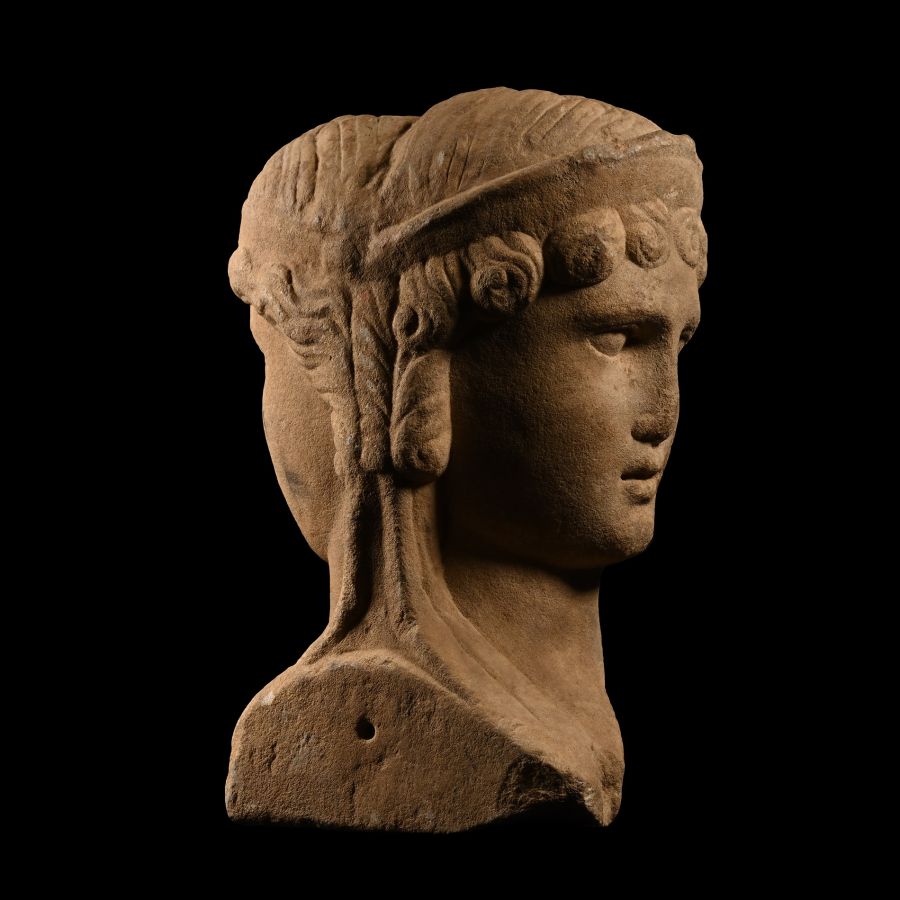
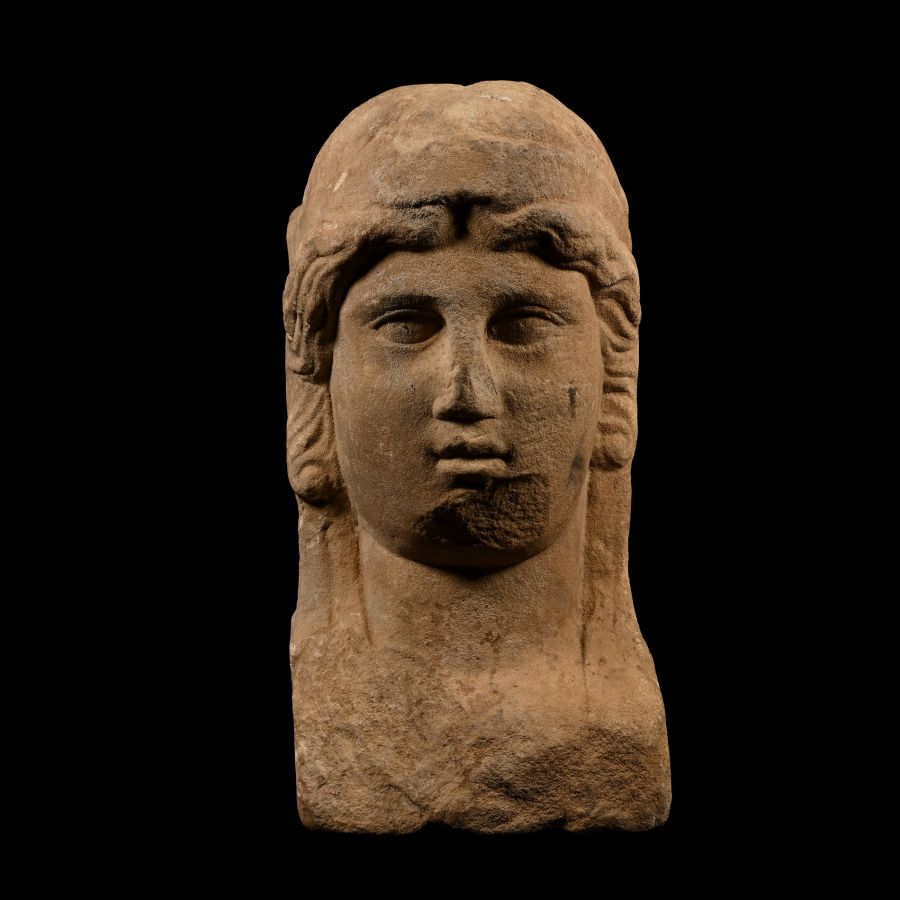
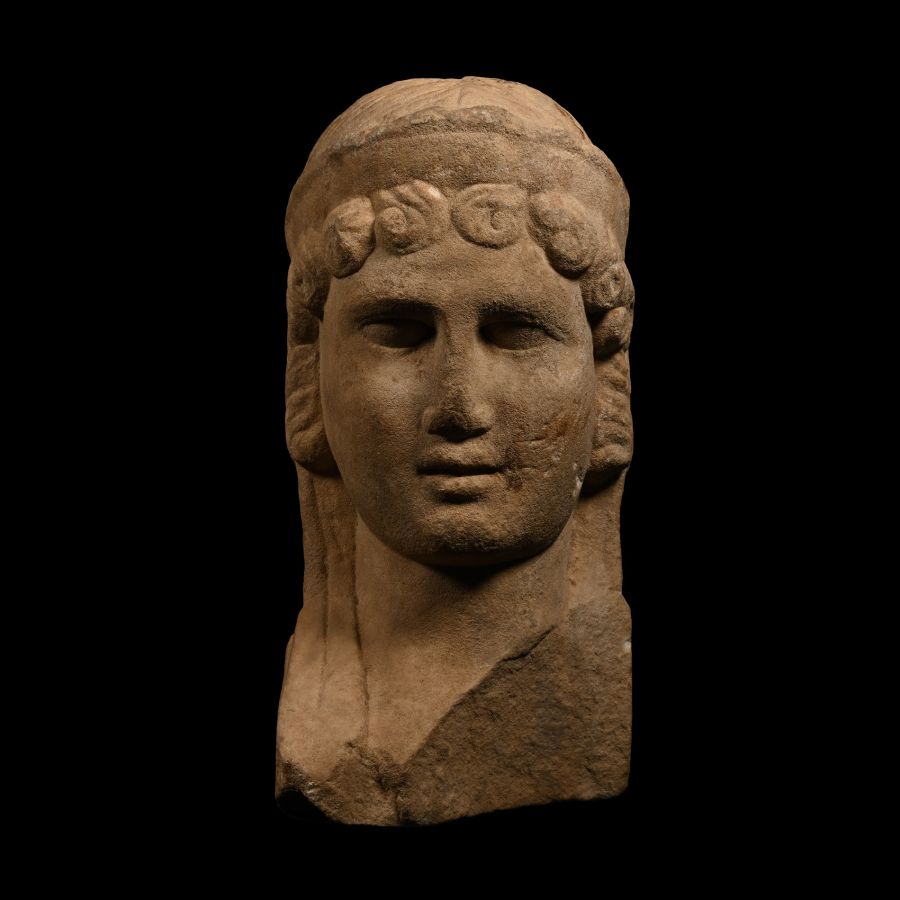
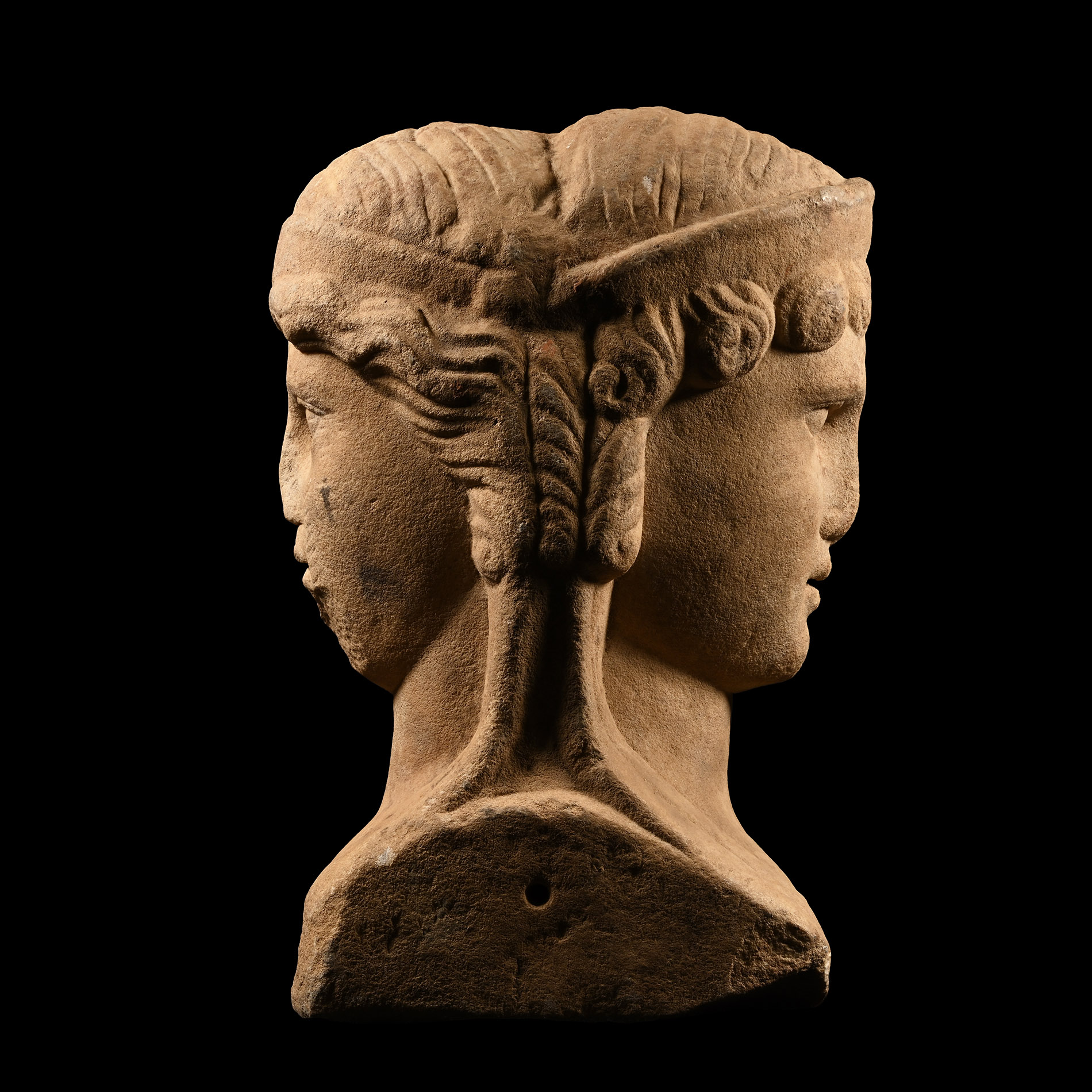
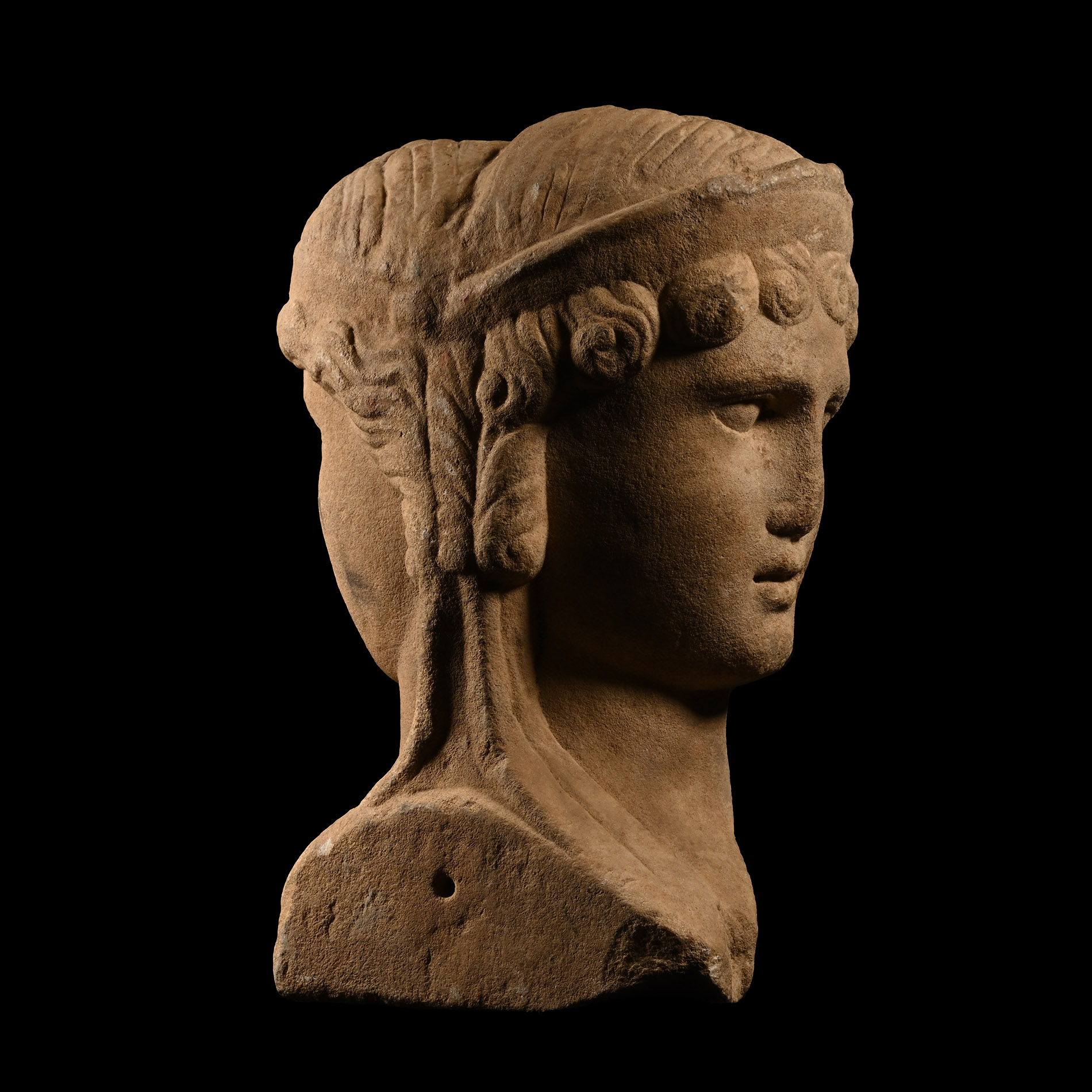
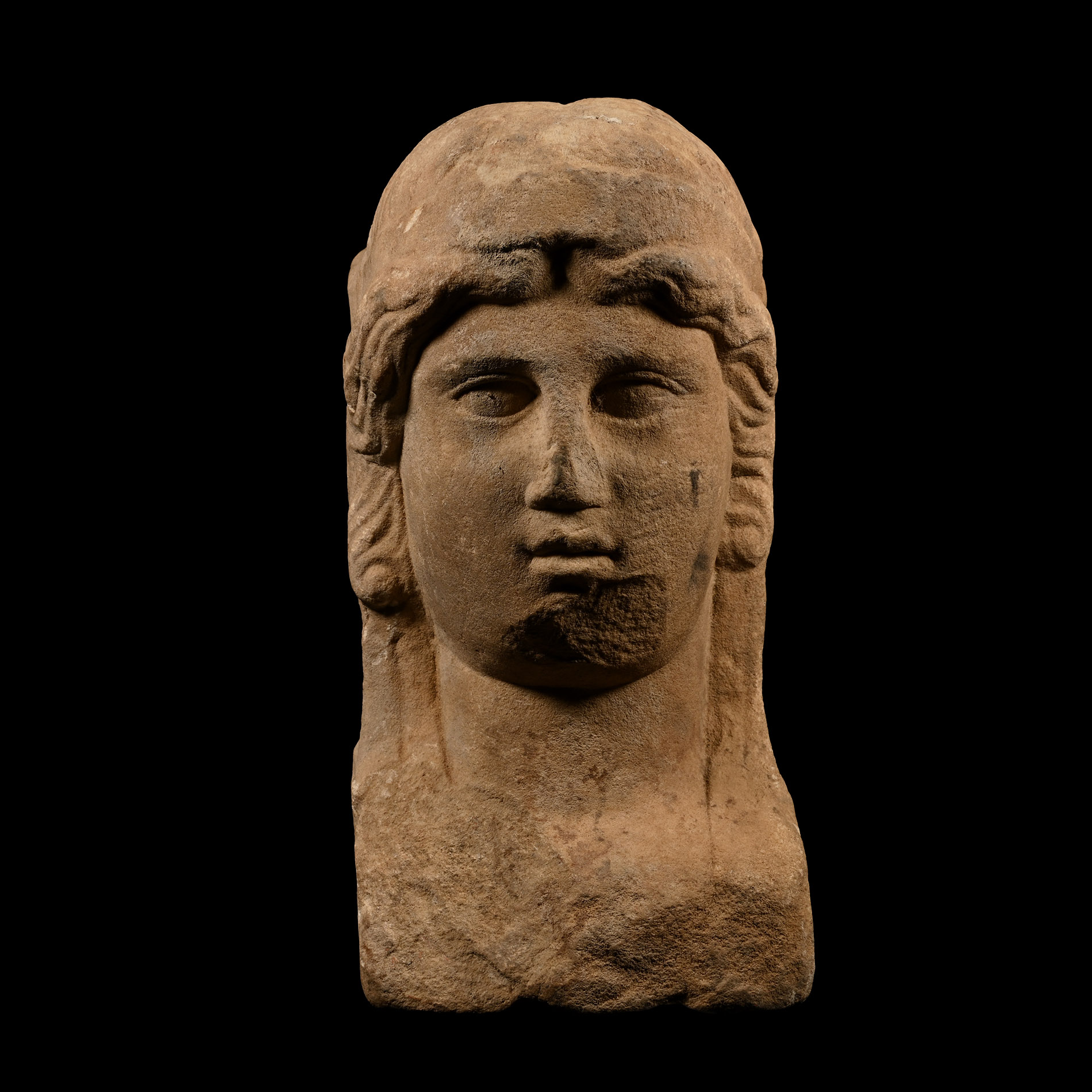
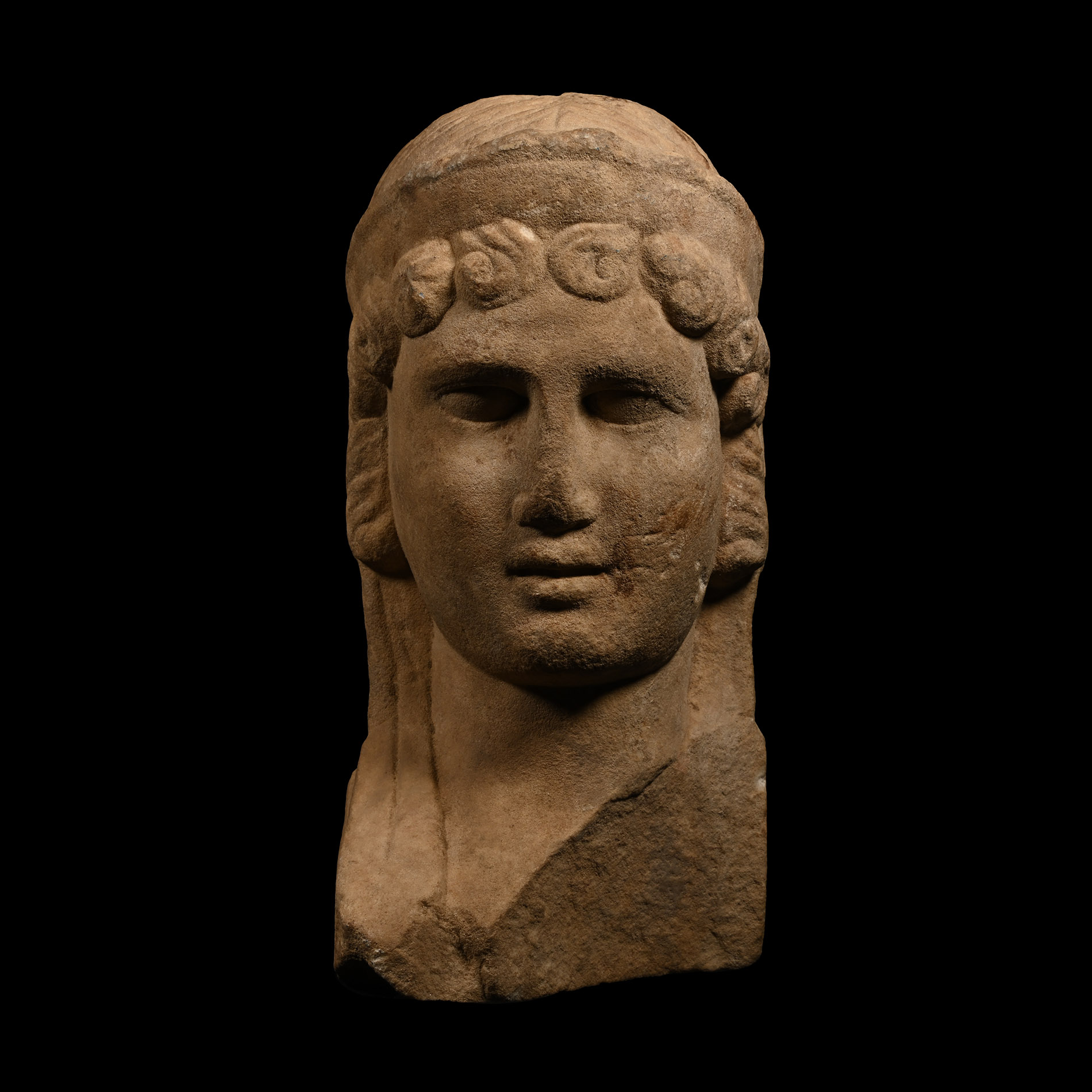
Roman Marble Janiform Herm Head of Ariadne and a Maenad
1ST-2ND CENTURY A.D.
11 3/8 in. (12.6 kg, 29 cm high).
Carved architectural element depicting a double herm comprising: a diademed female bust with long wavy hair framing the face, slender features with small mouth and raised lids; the other side with a diademed female with hair arranged in neat curls on the forehead, large eyes and small mouth, taenia shown on each side of the neck; base reworked with drilled sockets for mounting.
ProvenanceOld collection, acquired in the 1970s.
Acquired by inheritance from Mr N.S.
Accompanied by an academic report by Dr Marina Mattei and Dr Laura Maria Vigna.
This lot has been checked against the Interpol Database of stolen works of art and is accompanied by search certificate no.12084-211893.
Cf. Mansuelli, G.A., Galleria degli Uffizi, Le Sculture, Parte l, Roma, 1958, pp. 159-160, n. L32; Sciarra, B., Brindisi. Il Museo Archeologico Comunale, Brindisi, 1976, p. 8, n. 34; Bonanno, A., Un gruppo di ermette decorative a Malta, in ArchCl 29, 1977, pp.399-410, tavv. LL2-LL6, specialmente p. 402; Faedo L., Camposanto Monumentale di Pisa, Le Antichità, ll, a cura di Salvatore Settis, Modena, 1984, p.178, n. 81; Moreno, P., Viacava, A., I Marmi Antichi della Galleria Borghese, Roma, 2003, pp. 767-168, n.138.
FootnotesThe head with elaborately curled hair and diadem could represent Ariadne, as shown by comparisons with a fragment of a two-faced herm with bearded Dionysus and Ariadne preserved in the Antiquarium Ostiense, dated to the lmperial Roman age. The heads could be interpreted either as Ariadne and a Maenad, or as two Maenads being characterised by the diadem and long taeniae. The association of these figures with Dionysus is congruent with the typology of the herm, which refers to rural places and theatres. Numerous herms in fact attest that this type of sculpture was used in contexts linked to Dionysus and his sacred procession as well as, obviously, the representation of Ariadne, his female partner and double.
The example fits into the class of domestic sculpture with a decorative function, mostly used to adorn peristyles and viridaria; the type placed at the crown of columns and pillars is quite documented, in particular in the version with the head of Dionysus contrasted with that of Ariadne
or a Maenad.
TimeLine Auctions follows a vetting process to ensure the authenticity and legality of all items, reinforcing our commitment to integrity and responsible trading. Each antiquity, antique, and coin lot undergoes thorough examination by a vetting committee of at least ten external specialists, professional trade association members, scientists, and archaeologists: Our Vetting Process
AUCTIONS:
TimeLine is a leading auction house specialising in antiquities, ancient art, collectables, natural history, coins, medals, and books. Our auctions offer museums, collectors, historians, and enthusiasts the opportunity to acquire unique and historically significant pieces.
LOT 0858
Roman Marble Janiform Herm Head of Ariadne and a Maenad
Sold for (Inc. bp): £11,050
-
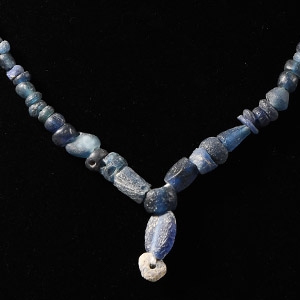
Roman Blue Glass Bead Necklace String
1st-4th century A.D. and laterSold for (Inc. bp): £26
Restrung designer necklace of graduated annular and tubular beads with a milky blue oval pendant. 15.07 grams, 38 cm
Acquired 1980-2015. Ex Abelita family collection. -
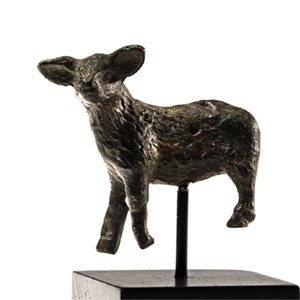
Roman Bronze Sheep Statuette
2nd-3rd century A.D.Sold for (Inc. bp): £312
Modelled standing with head turned, fleece texture to the flanks; mounted on a custom-made stand. 42.8 grams total, 53 mm including stand
From a collection acquired on the UK art market from various auction houses and collections mostly before 2000. From an important Cambridgeshire estate; thence by descent. -
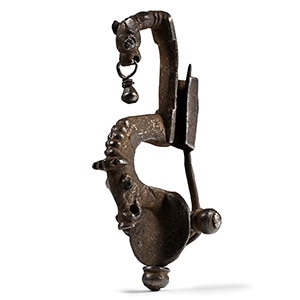
Late Roman Silver 'Huntsman' Bow Brooch
5th-7th century A.D.Estimate: £1,800 - 2,400 (‡+bp*)
Opening Bid: £1,000
Comprising a circular headplate with pointillé tendril ornament, and three radiating lugs, each with a flared collar below; deep D-section bow with boar-head modelling including open mouth and tusks, bristles and pricked ears; parallel-sided chamfered edges, recurved finial with dog-head detailing and teardrop dangle in the mouth; spring and pin to the reverse. 28 grams, 65 mm
with Artemis Gallery, Münich, before 1998. Acquired by the present owner from the above in 2001. Accompanied by an academic report by Dr Raffaele D'Amato. This lot has been checked against the Interpol Database of stolen works of art and is accompanied by search certificate number no.12226-222179.
As the boar's mouth is modelled open, it is likely that it also had a dangle similar to that of the dog's head. The artistic effect of the brooch is to symbolise the chase, with the boar fleeing and the hound in close pursuit behind. This kind of fibula was used by the Romano-British people of Britannia, as attested by specimens found in Britain (BM inventory no.PRB 1954.12-6.1).
