
Loading, please wait...
LOT 0152
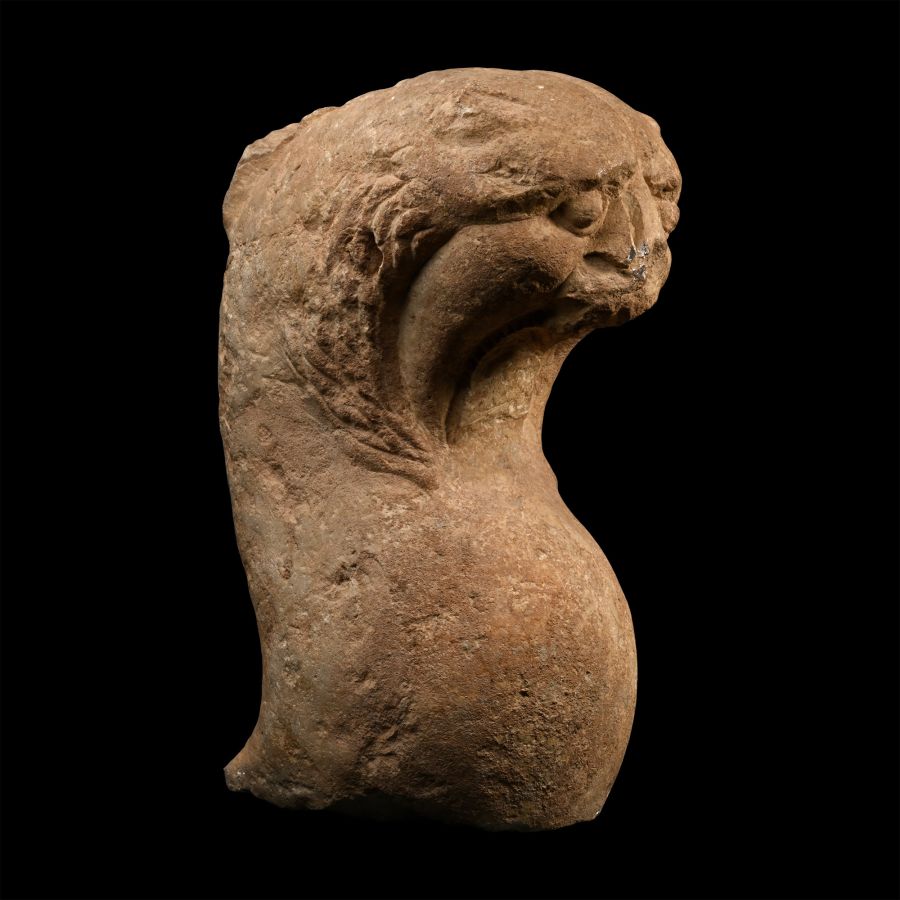
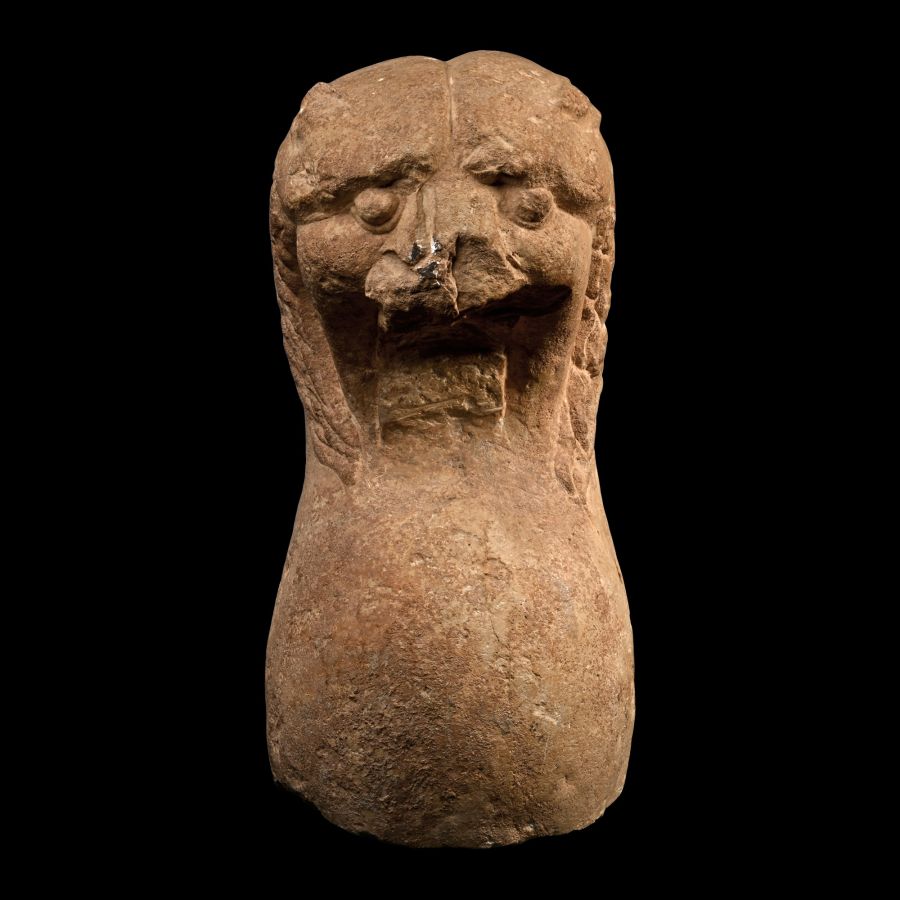
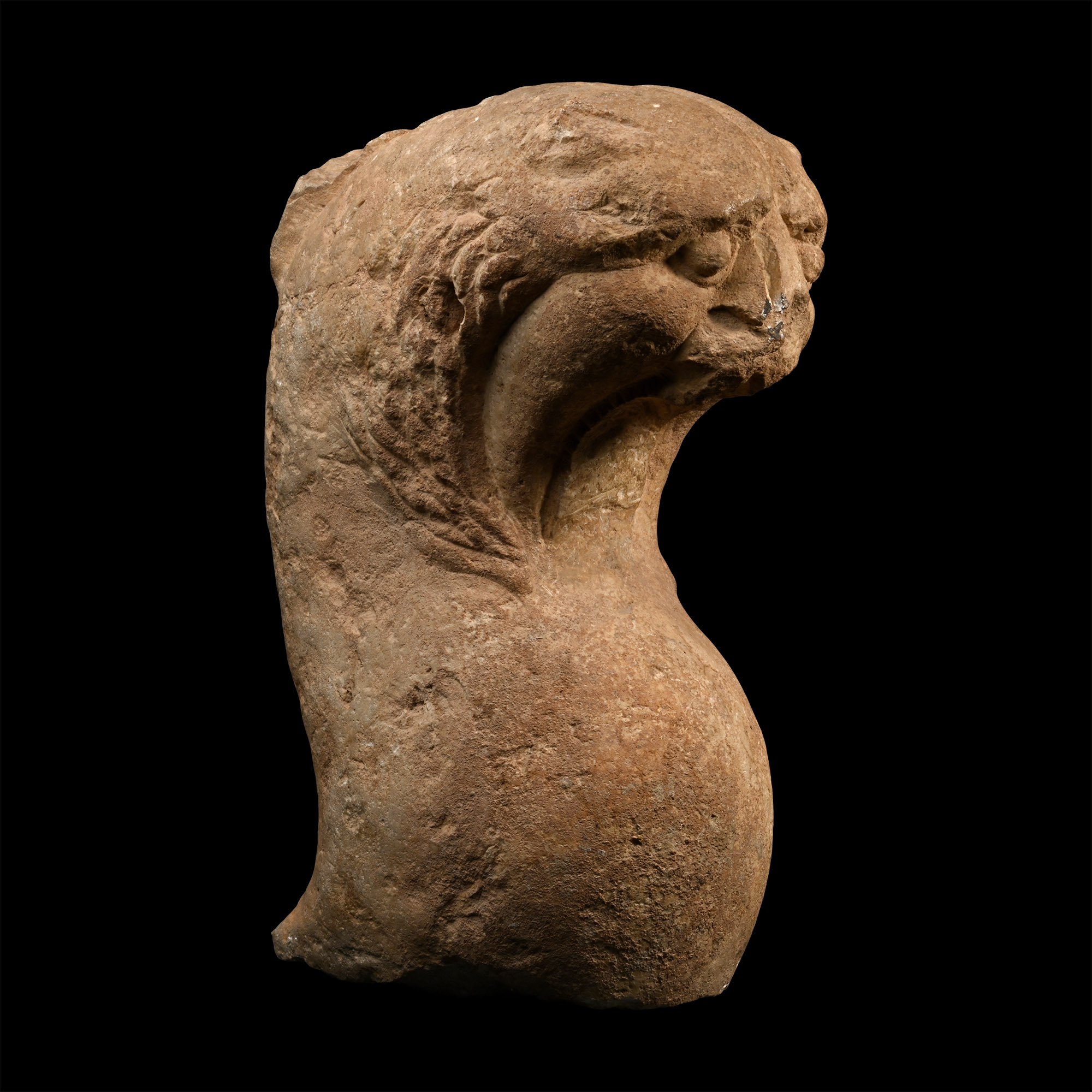
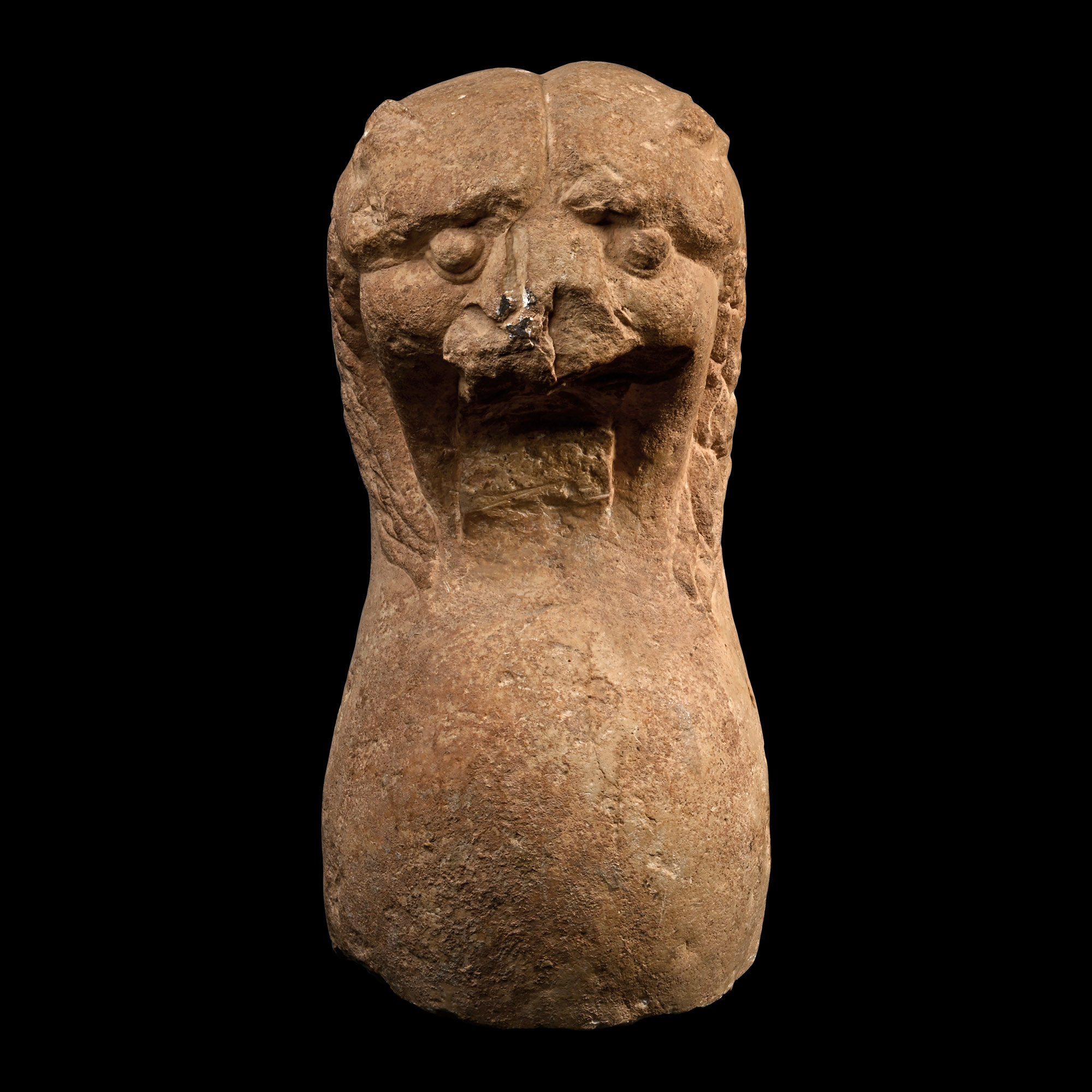
Roman Marble Gryphon Trapezophoros Section
CIRCA 1ST-2ND CENTURY A.D.
13 3/4 in. (19.56 kg, 35 cm).
Carved in the round, S-curved in profile with scale detailing and grimacing gryphon's face; ledge to rear of head to support a tabletop.
ProvenanceAcquired from Robert Evans, who in turn acquired from Sir Arthur Evans of the Ashmolean Museum.
From the private collection of a Somerset gentleman.
TimeLine Auctions follows a vetting process to ensure the authenticity and legality of all items, reinforcing our commitment to integrity and responsible trading. Each antiquity, antique, and coin lot undergoes thorough examination by a vetting committee of at least ten external specialists, professional trade association members, scientists, and archaeologists: Our Vetting Process
AUCTIONS:
TimeLine is a leading auction house specialising in antiquities, ancient art, collectables, natural history, coins, medals, and books. Our auctions offer museums, collectors, historians, and enthusiasts the opportunity to acquire unique and historically significant pieces.
-
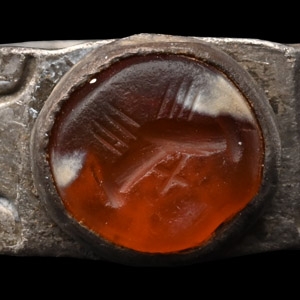
Roman Silver Ring with Clasped Hands Gemstone
2nd-3rd century A.D.Sold for (Inc. bp): £182
Rectangular-section hoop with angled shoulders, round bezel set with a carnelian intaglio bearing a stylised clasped hands motif. 4.48 grams, 23.36 mm overall, 19.95 mm internal diameter (approximate size British P 1/2, USA 7 3/4, Europe 16.86, Japan 16)
Ex German art market, 2000s. Acquired from an EU collector living in London. From the collection of a Surrey, UK, gentleman. -
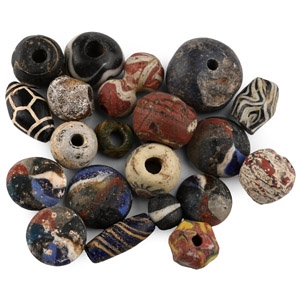
Roman and Later Glass Bead Group
1st-4th century A.D. and laterSold for (Inc. bp): £468
A mixed group of beads, including an etched Zi bead, folded glass and lampwork glass beads. 50 grams total, 8-19 mm
Acquired in London or Japan, early 1980s. Property of a London, UK, gentleman. -
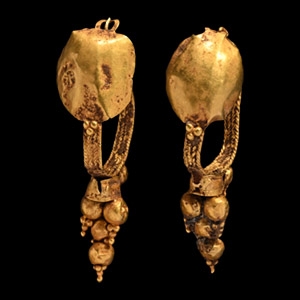
Roman Gold Earrings with Shield
3rd-4th century A.D.Sold for (Inc. bp): £1,040
A matched pair, each a braided hoop with an applied shield-shaped disc, collar with a cluster of hollow spherical grapes with granule clusters below. 6.57 grams total, 42-44 mm
Acquired in 1992. Private collection, Switzerland, thence by descent. Private collection, since the late 1990s.
