
Loading, please wait...
LOT 0685
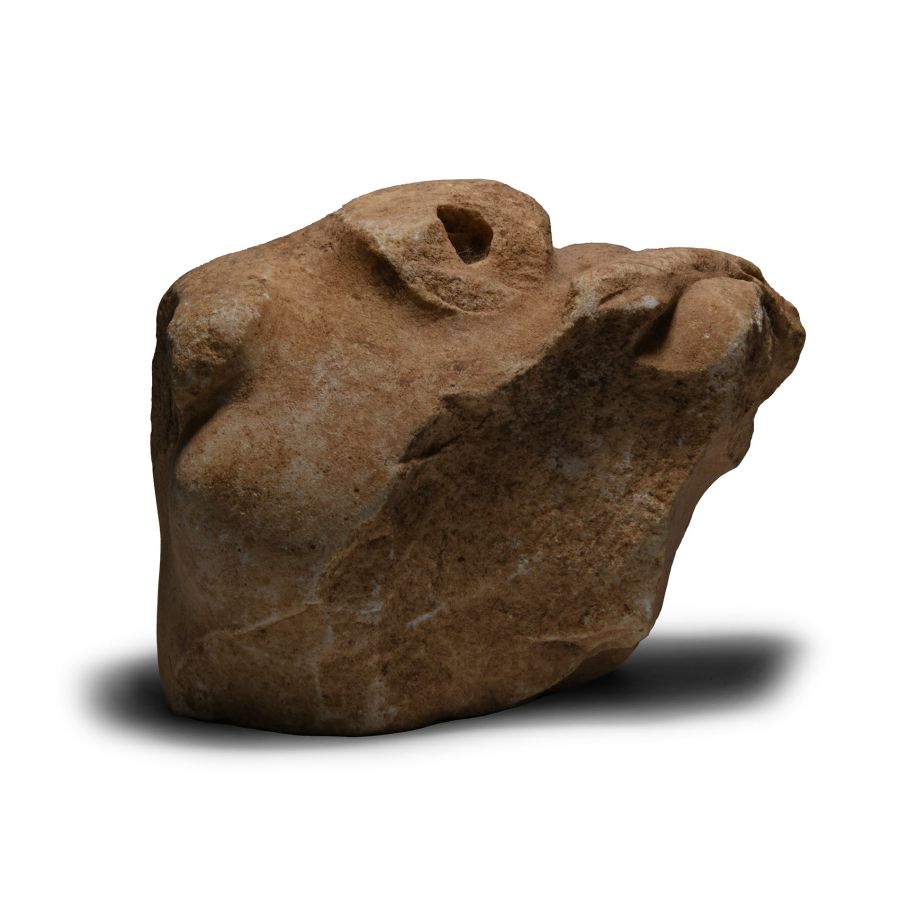
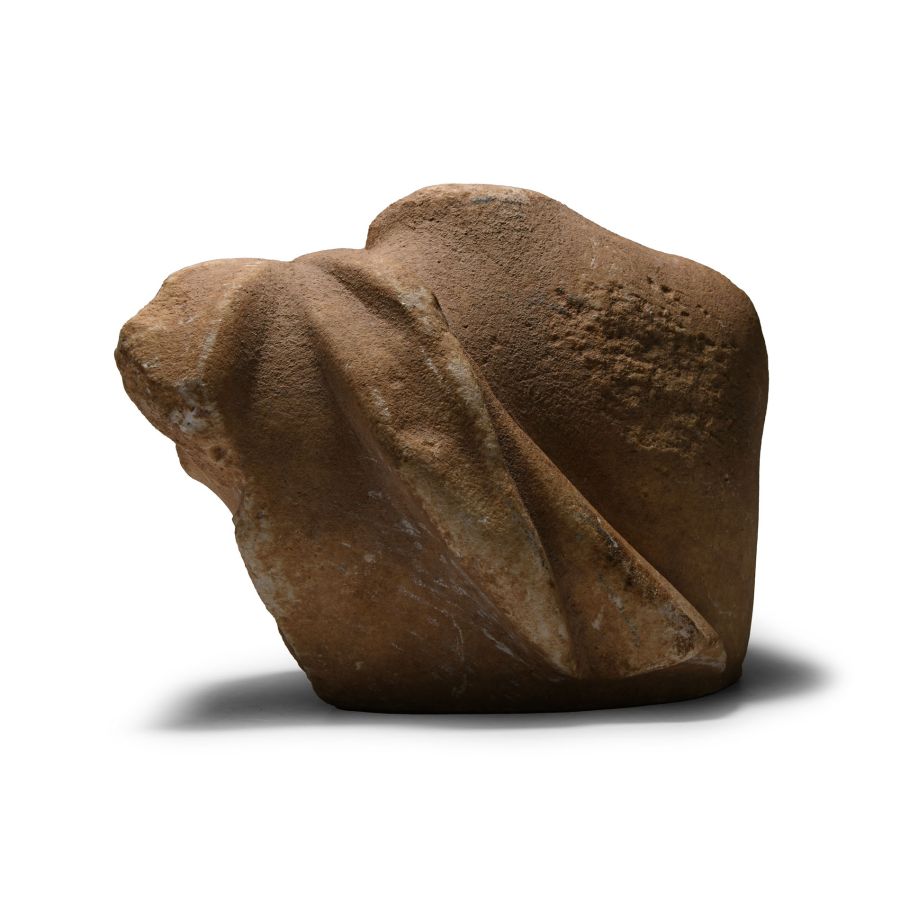
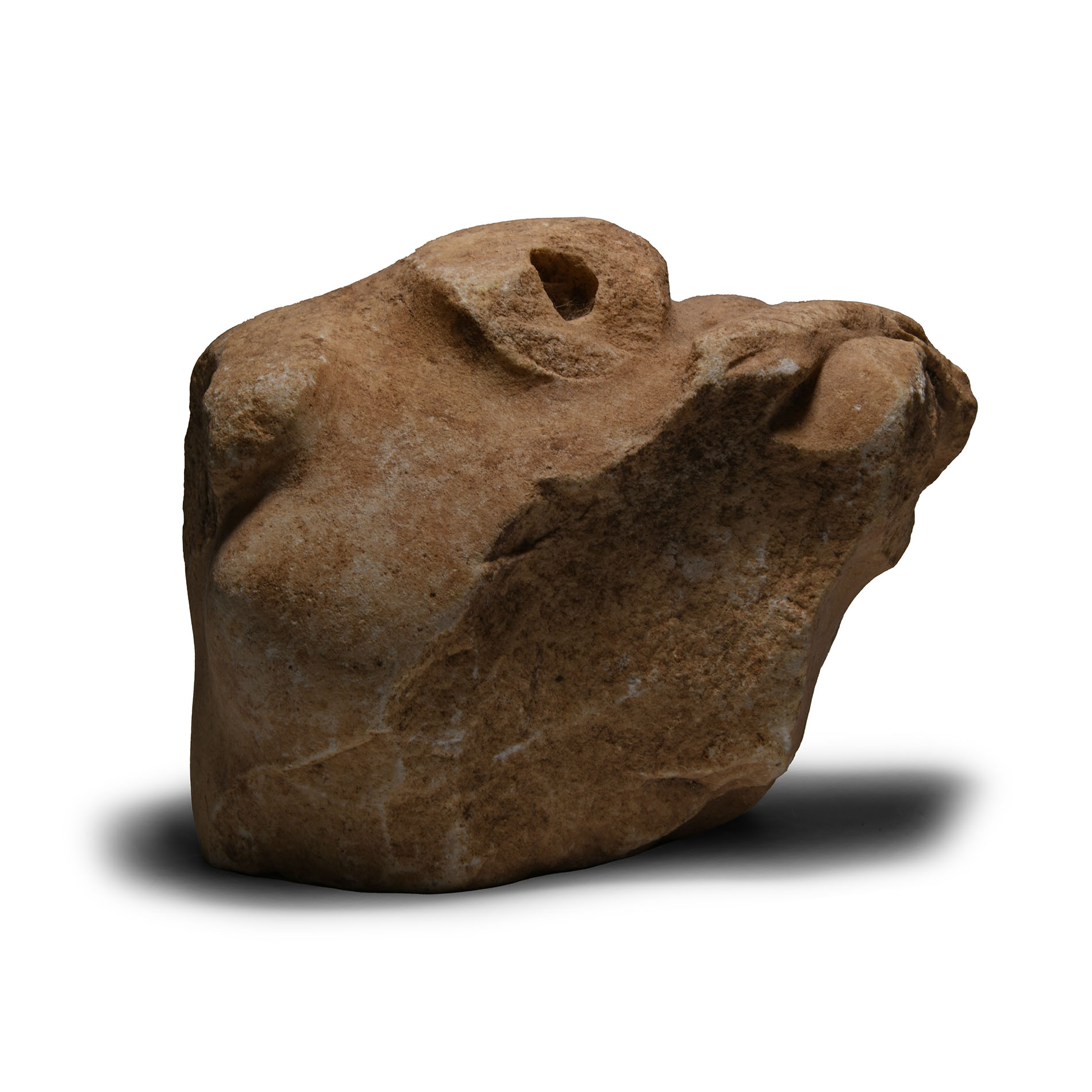
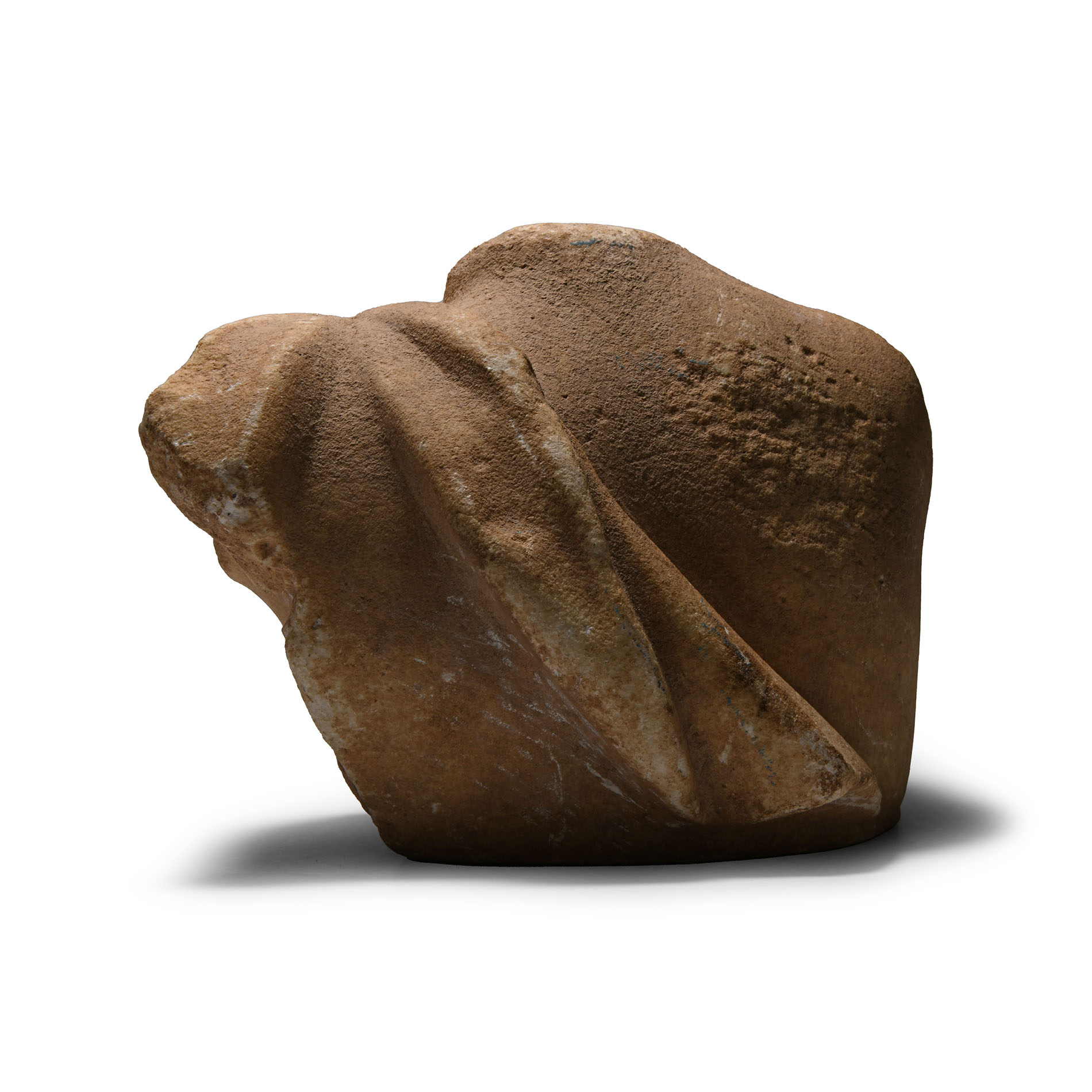
Roman Marble Female Torso
1ST-3RD CENTURY A.D.
9 in. (7.95 kg, 23 cm wide).
The upper body draped with an upper part of an exomis, twisted on the shoulder and falling softly on the back; the right breast still visible, as well as the attachment portion of the neck.
ProvenanceAcquired by the current owner in Munich, Germany, 1990s.
English private collection.
Cf. Reinach, S., Repertoire de la statuarie Grecque et Romaine, Paris, 1930, figs. pp.319, 325 (Artemis and Amazons).
FootnotesThe way in which the exomis is twisted on the left shoulder and the presence of the exposed right breast could indicate that the original statue was that of an Amazon, with particular reference to the Amazon from the Albertoni collection in Rome, which has now disappeared.
CONDITIONTimeLine Auctions follows a vetting process to ensure the authenticity and legality of all items, reinforcing our commitment to integrity and responsible trading. Each antiquity, antique, and coin lot undergoes thorough examination by a vetting committee of at least ten external specialists, professional trade association members, scientists, and archaeologists: Our Vetting Process
AUCTIONS:
TimeLine is a leading auction house specialising in antiquities, ancient art, collectables, natural history, coins, medals, and books. Our auctions offer museums, collectors, historians, and enthusiasts the opportunity to acquire unique and historically significant pieces.
-
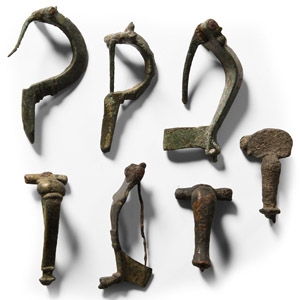
Roman Bronze Bow and Crossbow Brooch Collection
2nd-4th century A.D.Sold for (Inc. bp): £104
Including crossbow, knee, P-shaped and other types. 72 grams total, 33-51 mm
From the collection of the famous author, writer and speaker, Gordon Bailey, Essex, UK; formed since 1968. -
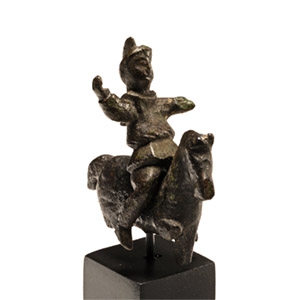
Roman Bronze Statuette of Mars on Horseback
2nd-3rd century A.D.Sold for (Inc. bp): £286
Wearing a crested helmet, cloak, bloused tunic and braccae, the god bestriding his mount with right arm raised and hand open to support a spear; mounted on a custom-made stand. 80.1 grams total, 68 mm including stand
From a collection acquired on the UK art market from various auction houses and collections mostly before 2000. From an important Cambridgeshire estate; thence by descent. -
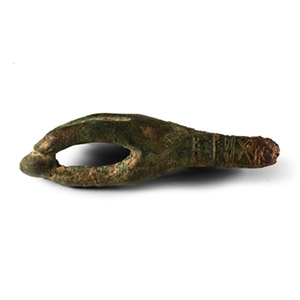
Roman Bronze Key Handle in the Shape of a Hand Holding Fruit
1st-3rd century A.D.Estimate: £700 - 900 (+bp*)
Opening Bid: £350
Formed as a lady's right hand with thumb and forefinger extended to hold a grape; iron shank to the wrist. 157 grams, 10.1 cm
Ex Cambridgeshire, UK, collection, 1990s.
