
Loading, please wait...
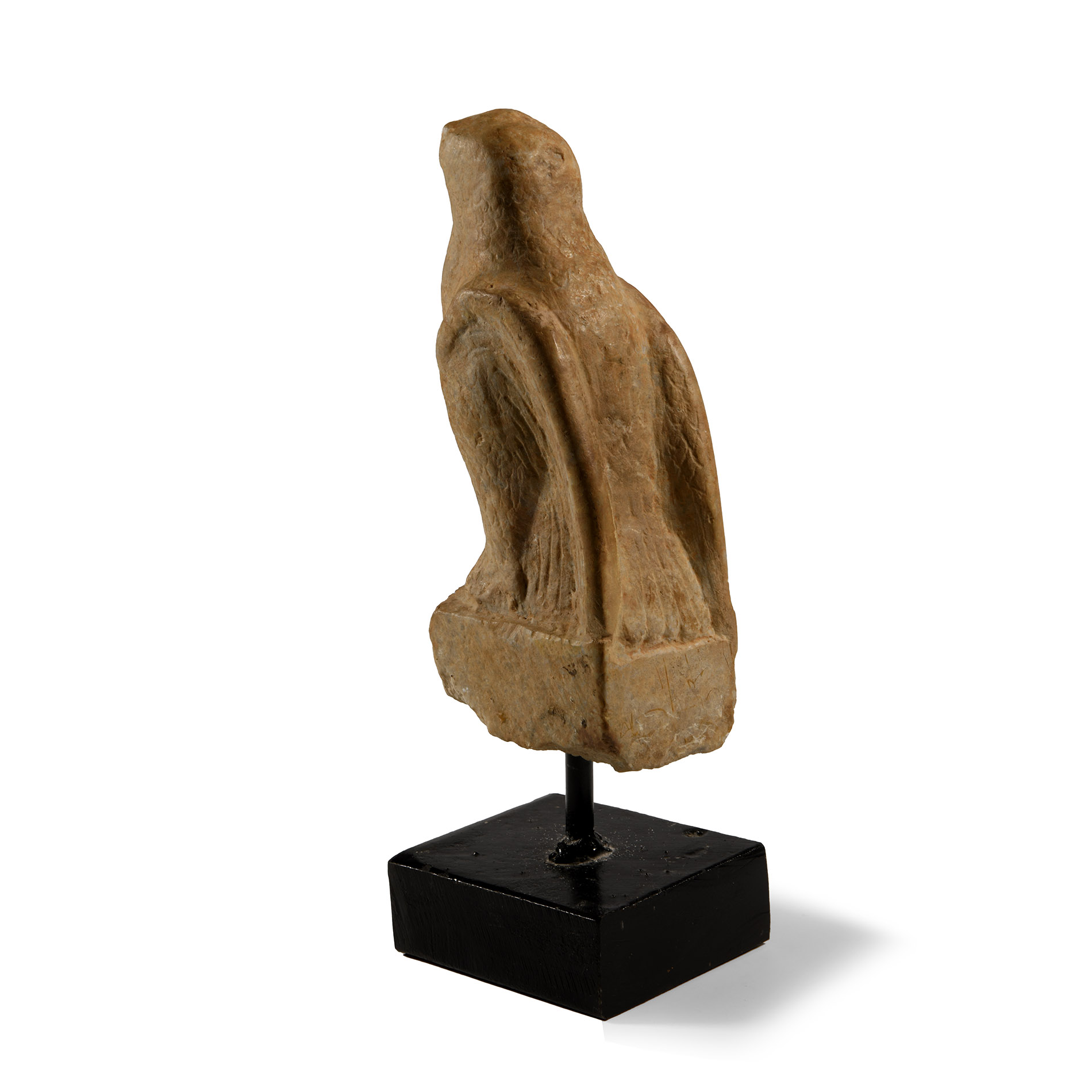
LOT 0853
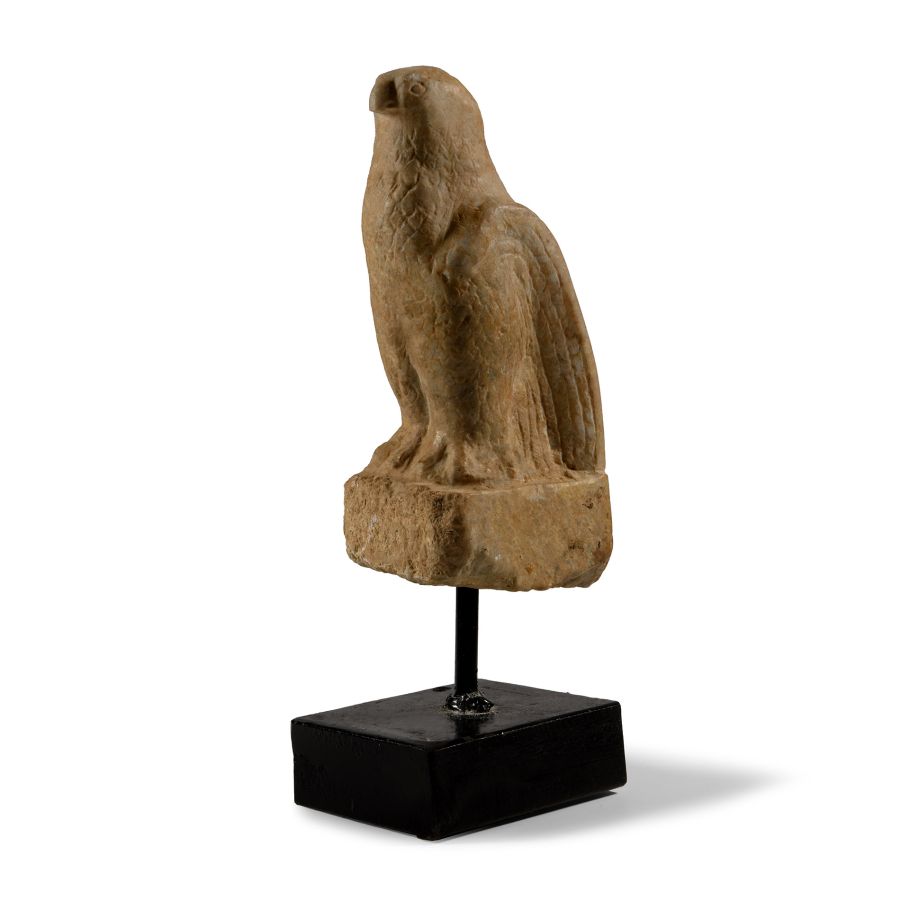
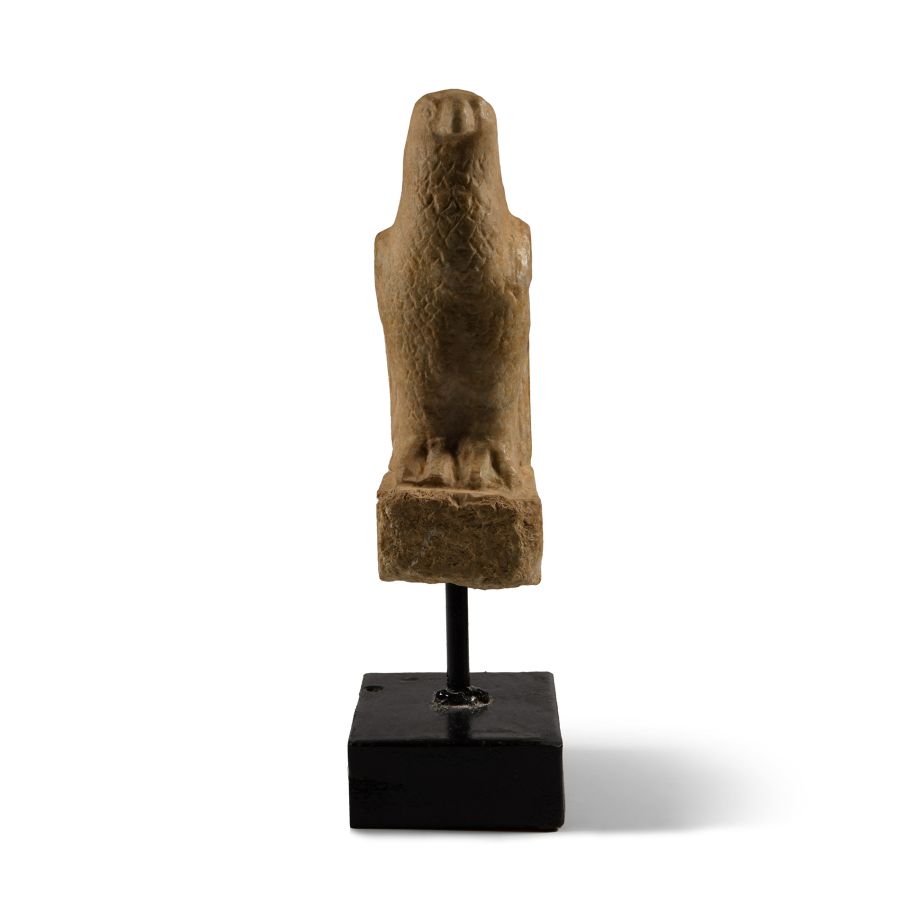
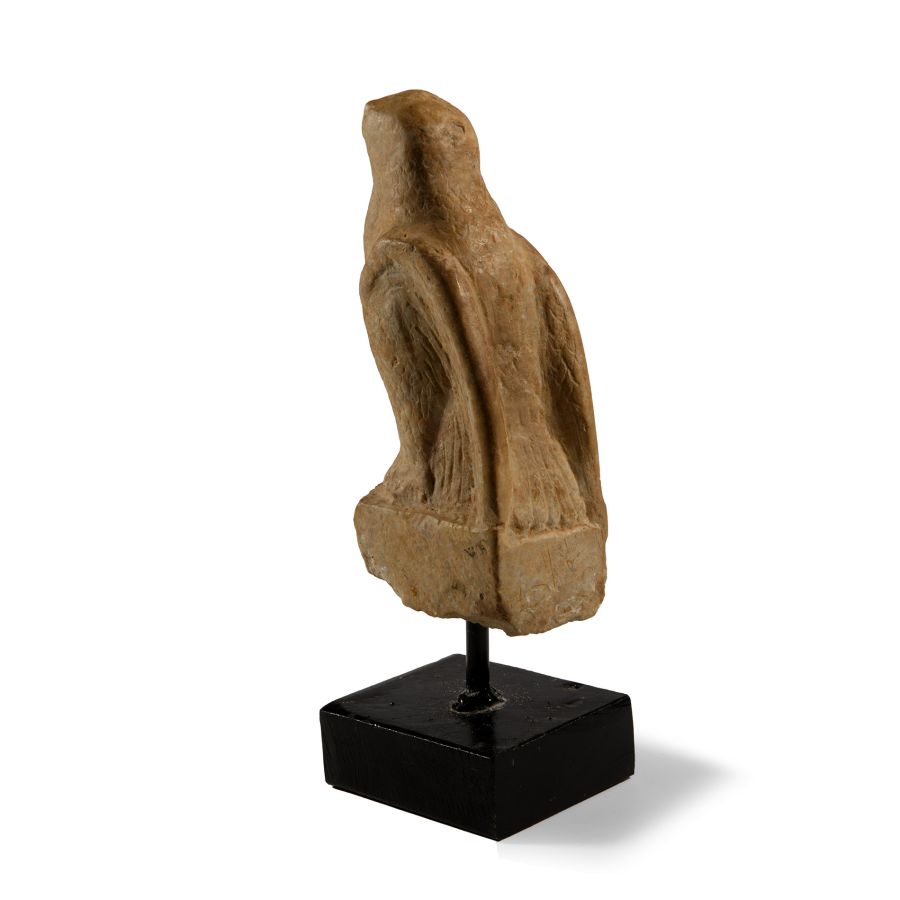
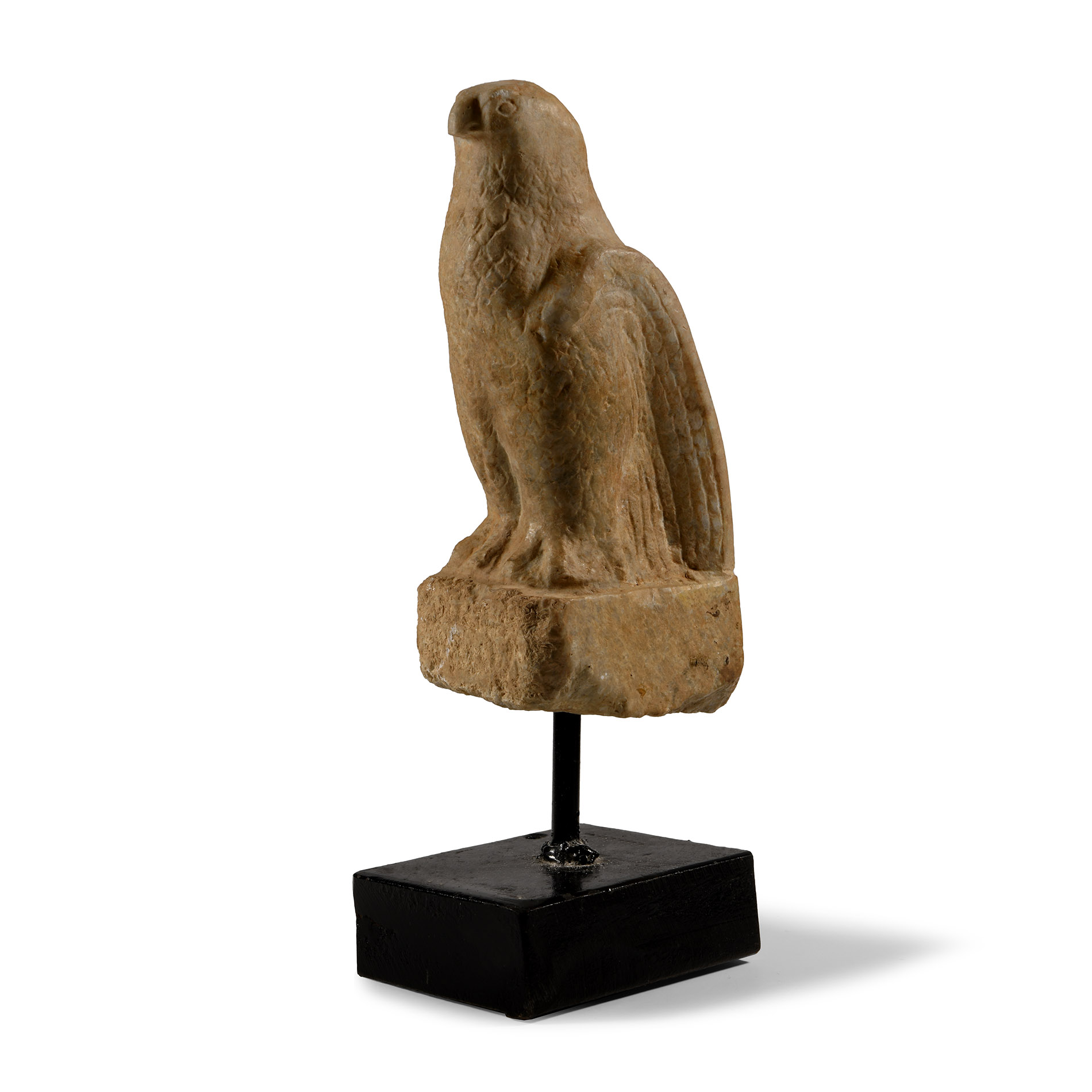
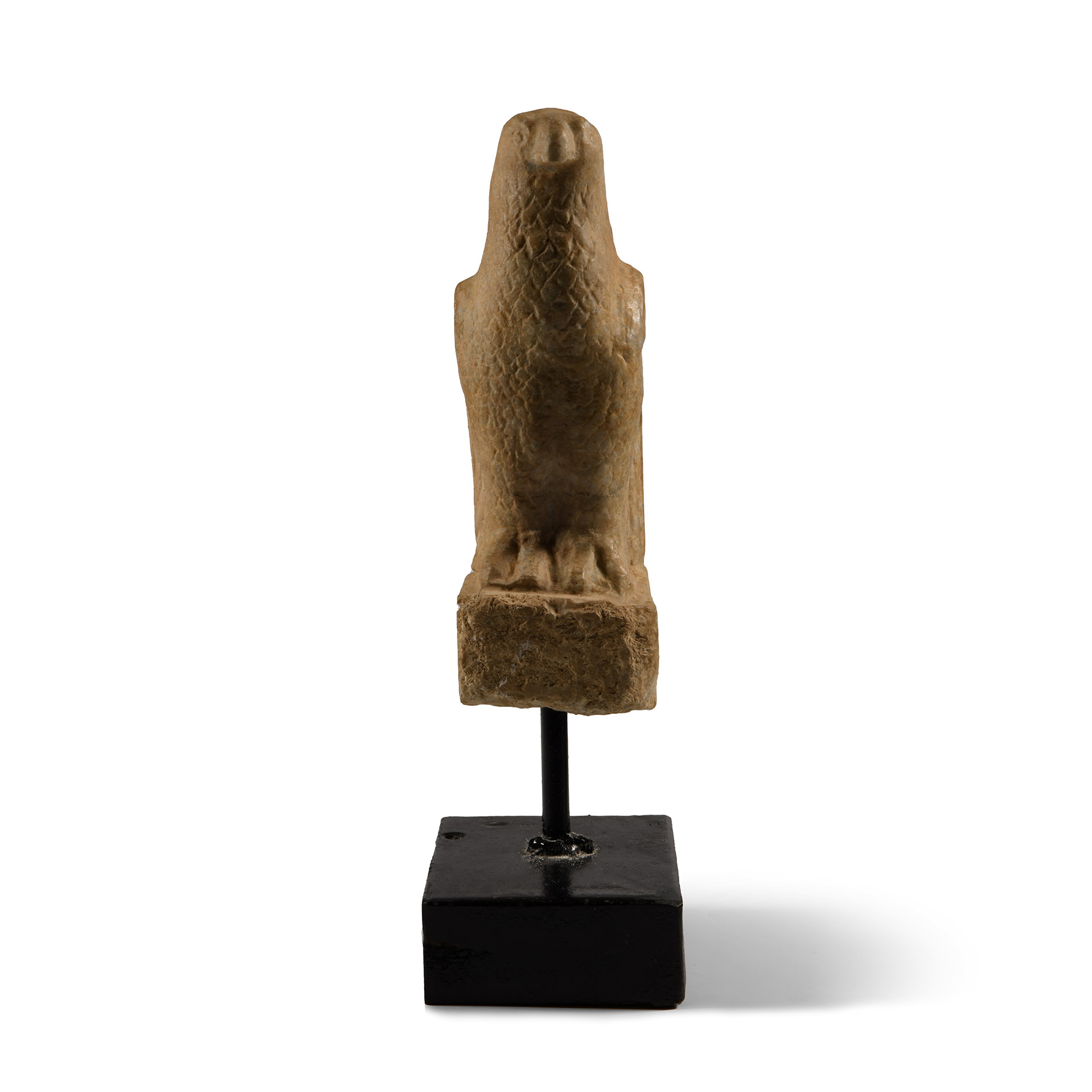
Roman Marble Epigraphic Eagle Statue
CIRCA 2ND-3RD CENTURY A.D. OR LATER
6 5/8 in. (9 3/8 in.) (2.75 kg total, 17 cm (24 cm high including stand)).
Standing on a rectangular plinth with folded wings, gripping claws and feather detail to the chest and wings; on the front face of the plinth carved inscription in seriffed capitals 'M TITIO / MAXIM[.] / [.]TER[..]'.
ProvenanceAcquired in the 1990s.
Private collection, Suffolk, UK.
Property of a European gentleman.
Accompanied by a copy of a French cultural passport no.140839.
TimeLine Auctions follows a vetting process to ensure the authenticity and legality of all items, reinforcing our commitment to integrity and responsible trading. Each antiquity, antique, and coin lot undergoes thorough examination by a vetting committee of at least ten external specialists, professional trade association members, scientists, and archaeologists: Our Vetting Process
AUCTIONS:
TimeLine is a leading auction house specialising in antiquities, ancient art, collectables, natural history, coins, medals, and books. Our auctions offer museums, collectors, historians, and enthusiasts the opportunity to acquire unique and historically significant pieces.
-
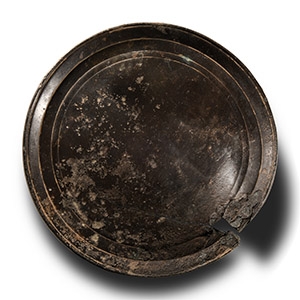
Roman Bronze Disc Mirror
1st-3rd century A.D.Sold for (Inc. bp): £72
With one flat surface, reverse with thick flared rim, incised concentric rings, carinated profile. 514 grams, 18.5 cm
From a collection acquired on the UK art market from various auction houses and collections mostly before 2000. From an important Cambridgeshire estate; thence by descent. -

Roman and Other Glass and Stone Bead Group
1st millennium B.C. and laterSold for (Inc. bp): £208
Comprising a quantity of mixed beads, mainly oblate and cylindrical in form, including glass, modelled, faience and stone etc. 58.5 grams total, 1-14 mm
UK gallery, early 2000s.
The use of amber beads as amulets in the Roman world is well attested, even in Britain (series of bracelets have been found in late Roman graves at Cirencester and Colchester). The amber beads were associated with pierced coins, pierced dog’s teeth and a lunate pendant. Pliny said that amber was beneficial to infants ‘when attached to the body in the form of an amulet'. -
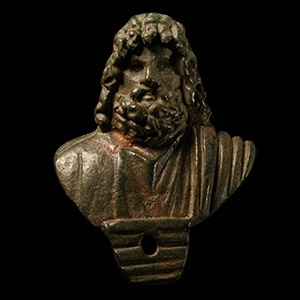
Roman Asclepius Bust Mount
2nd century A.D.Sold for (Inc. bp): £845
The bust of the god Asclepius (Greek Asklepios), dressed in chiton (tunic) and chlamys (cloak), attachment still preserved. 48 grams, 53 mm
Vey fine condition.
From a home counties collection, formed 1970-1980.
