
Loading, please wait...
LOT 0795
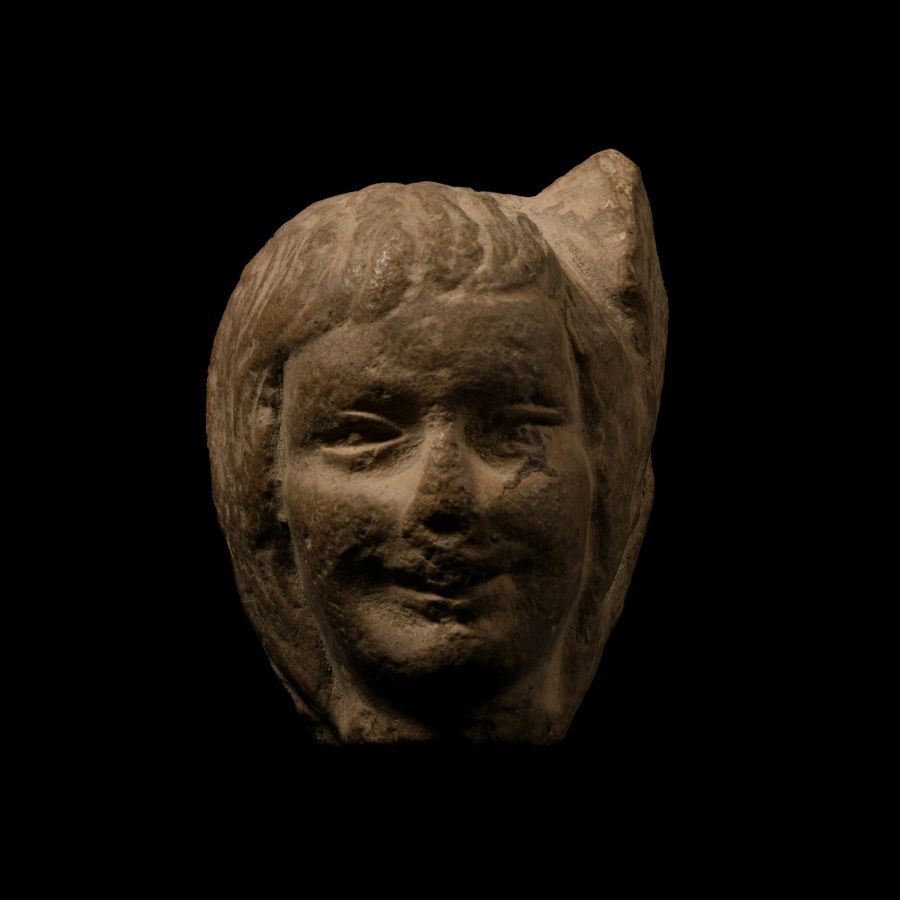
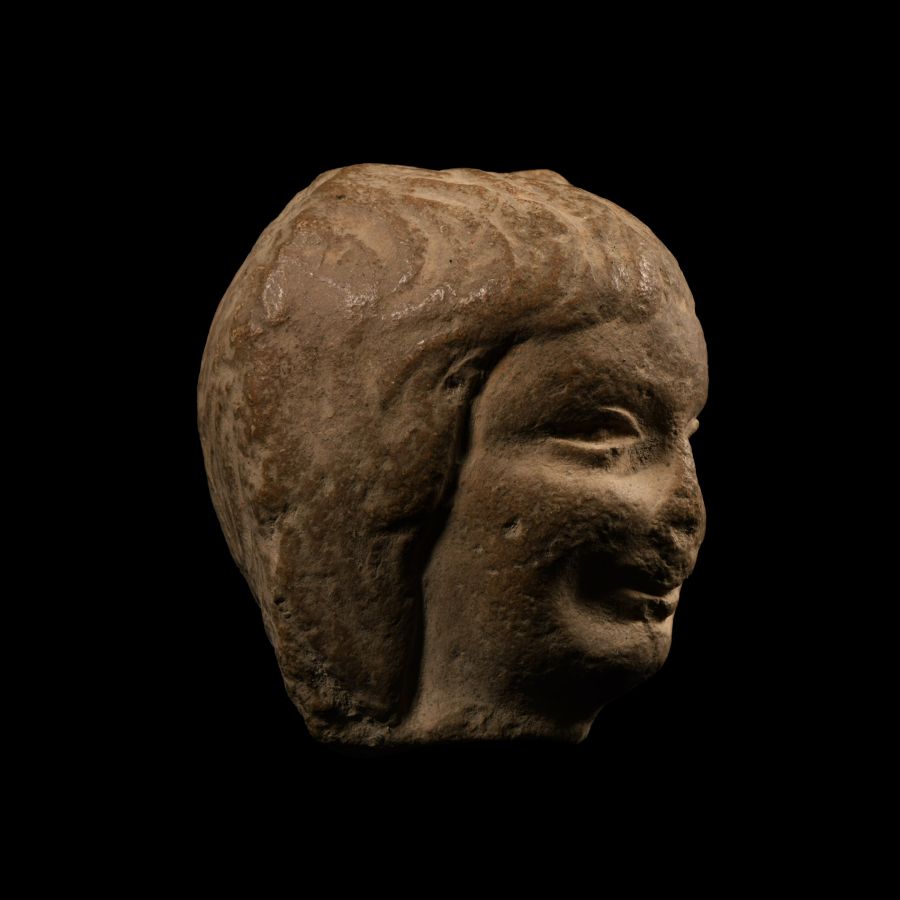
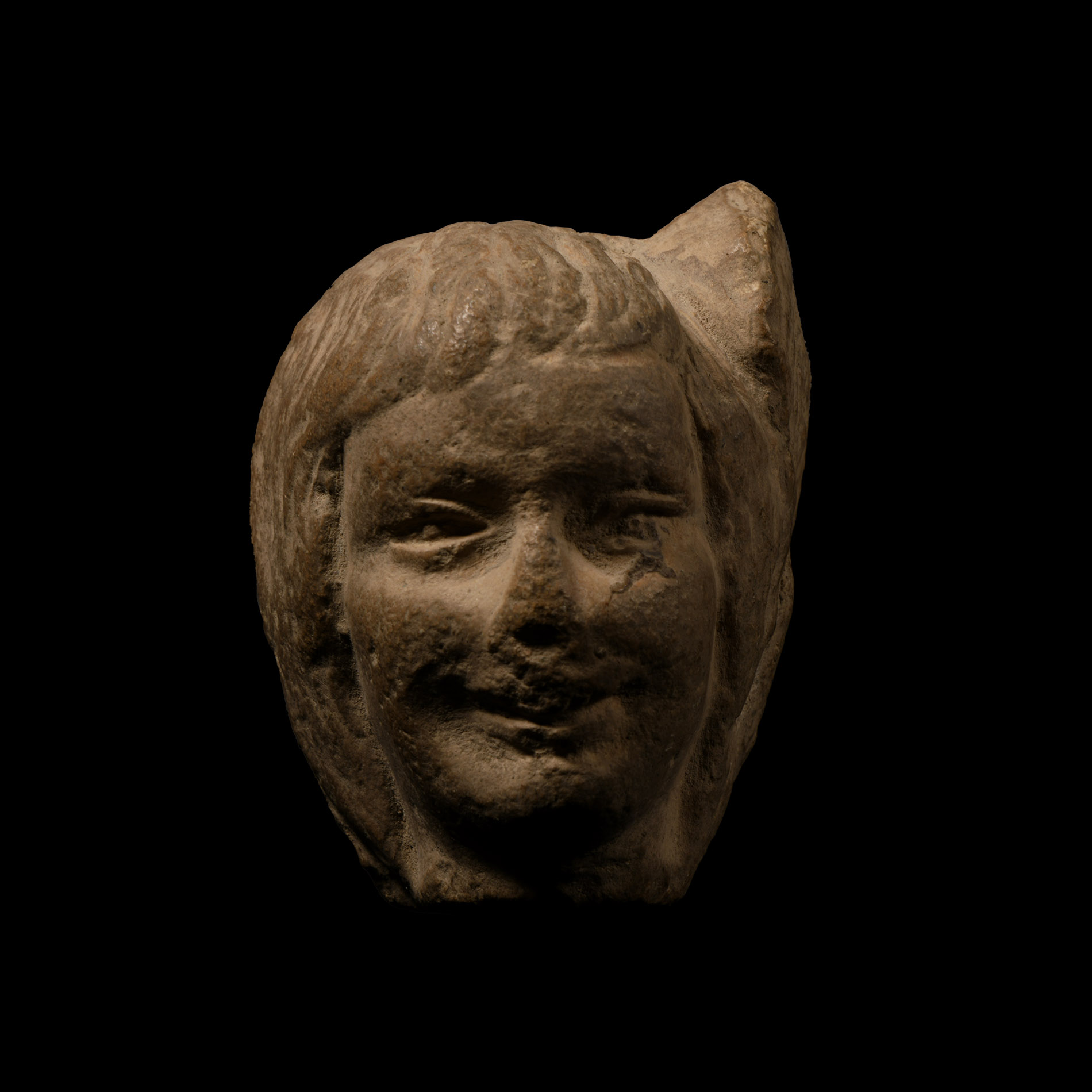
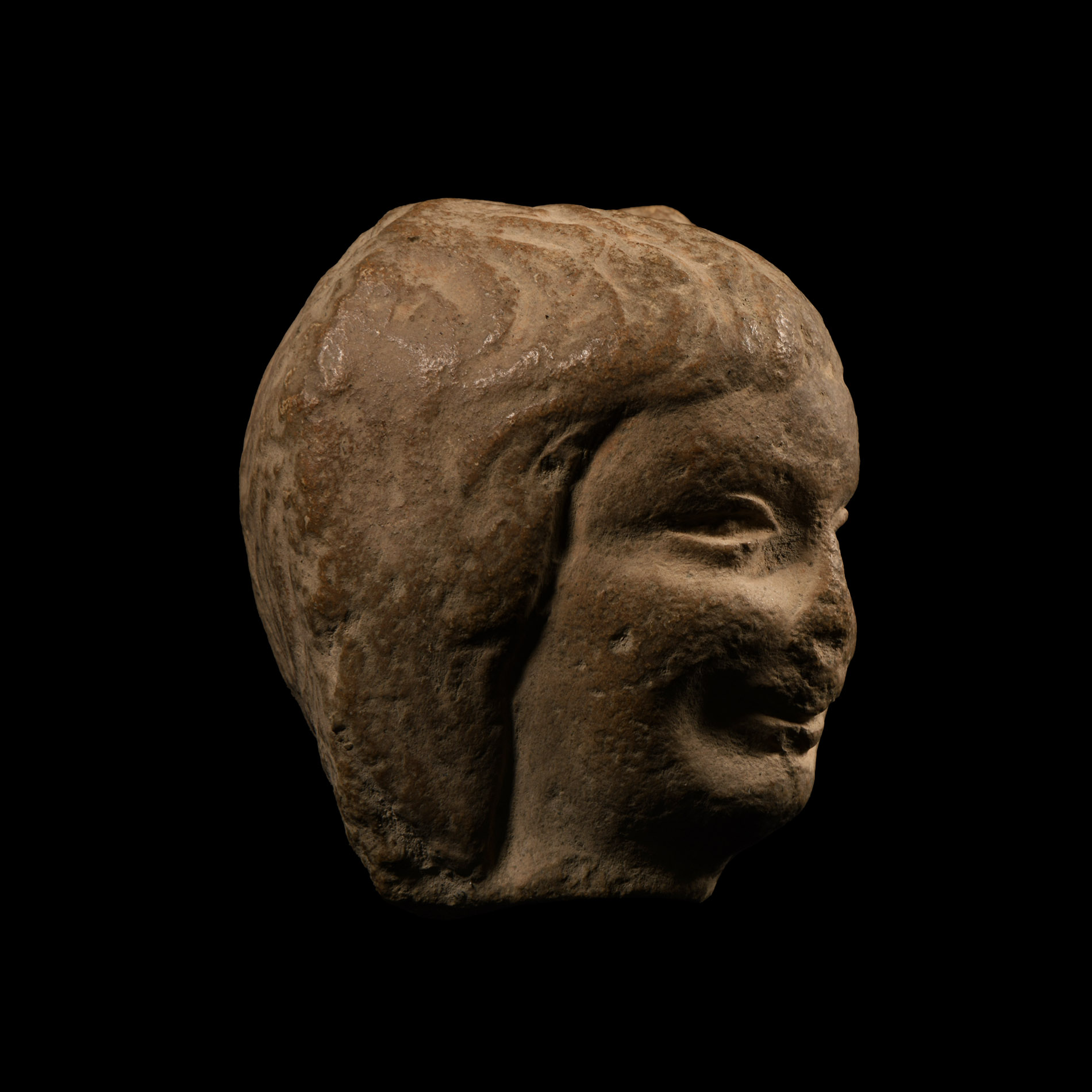
Roman Limestone Head of a Woman
1ST-4TH CENTURY A.D. OR LATER
3 1/8 in. (345 grams, 80 mm).
Carved in the round with collar-length flowing hair; part of a frieze or group.
ProvenanceAcquired in the mid 1980s-1990s.
From the family collection of Mr S.A., Switzerland, thence by descent.
Private collection since the late 1990s.
TimeLine Auctions follows a vetting process to ensure the authenticity and legality of all items, reinforcing our commitment to integrity and responsible trading. Each antiquity, antique, and coin lot undergoes thorough examination by a vetting committee of at least ten external specialists, professional trade association members, scientists, and archaeologists: Our Vetting Process
AUCTIONS:
TimeLine is a leading auction house specialising in antiquities, ancient art, collectables, natural history, coins, medals, and books. Our auctions offer museums, collectors, historians, and enthusiasts the opportunity to acquire unique and historically significant pieces.
LOT 0795
Roman Limestone Head of a Woman
Estimate £300 - 400€350 - 460 (for guidance only)$410 - 540 (for guidance only)
-
Roman Silver Key Ring with Fretwork Heart
1st century A.D.Estimate: £100 - 140 (+bp*)
Opening Bid: £50
The bezel formed with an openwork vine and leaf motif. 2.11 grams, 18.62 mm overall, 16.39 mm internal diameter (approximate size British L, USA 5 3/4, Europe 11.24, Japan 10)
Acquired 1980-2015. Ex Abelita family collection. -
Roman Bronze and Other Artefact Group
1st-4th century A.D.Sold for (Inc. bp): £46
Including Hod Hill brooch, military belt fittings, enamelled stud and other items. 155 grams total, 14-70 mm
Found various sites in Essex, UK. Property of an Essex collector. -
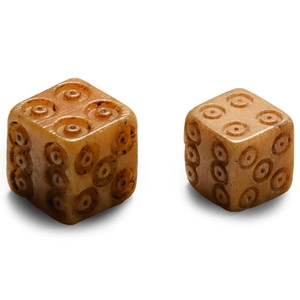
Roman Bone Gaming Dice Pair
1st-4th century A.D.Sold for (Inc. bp): £234
Cuboid with ring-and-dot making disposed 1:6, 2:5, 3:4. 2.28 grams total, 8-9 mm
From the important private collection of dice and gaming pieces of Colin Narbeth, London, UK, collection no.46.
