
Loading, please wait...
LOT 0896
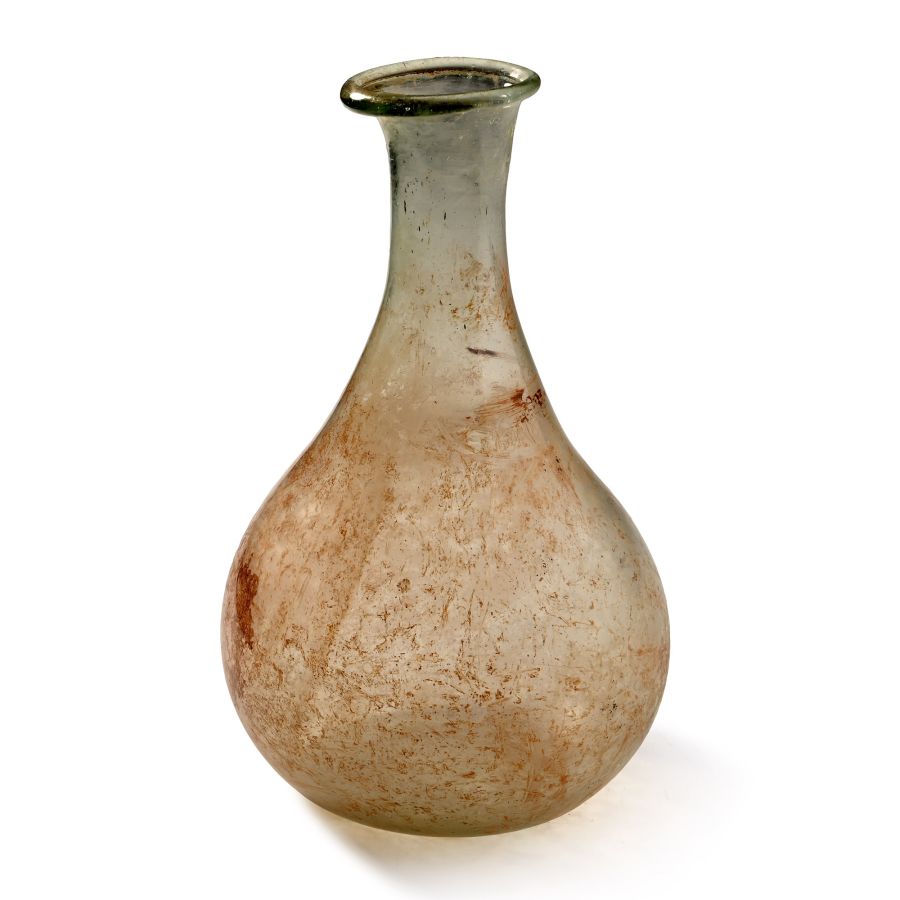
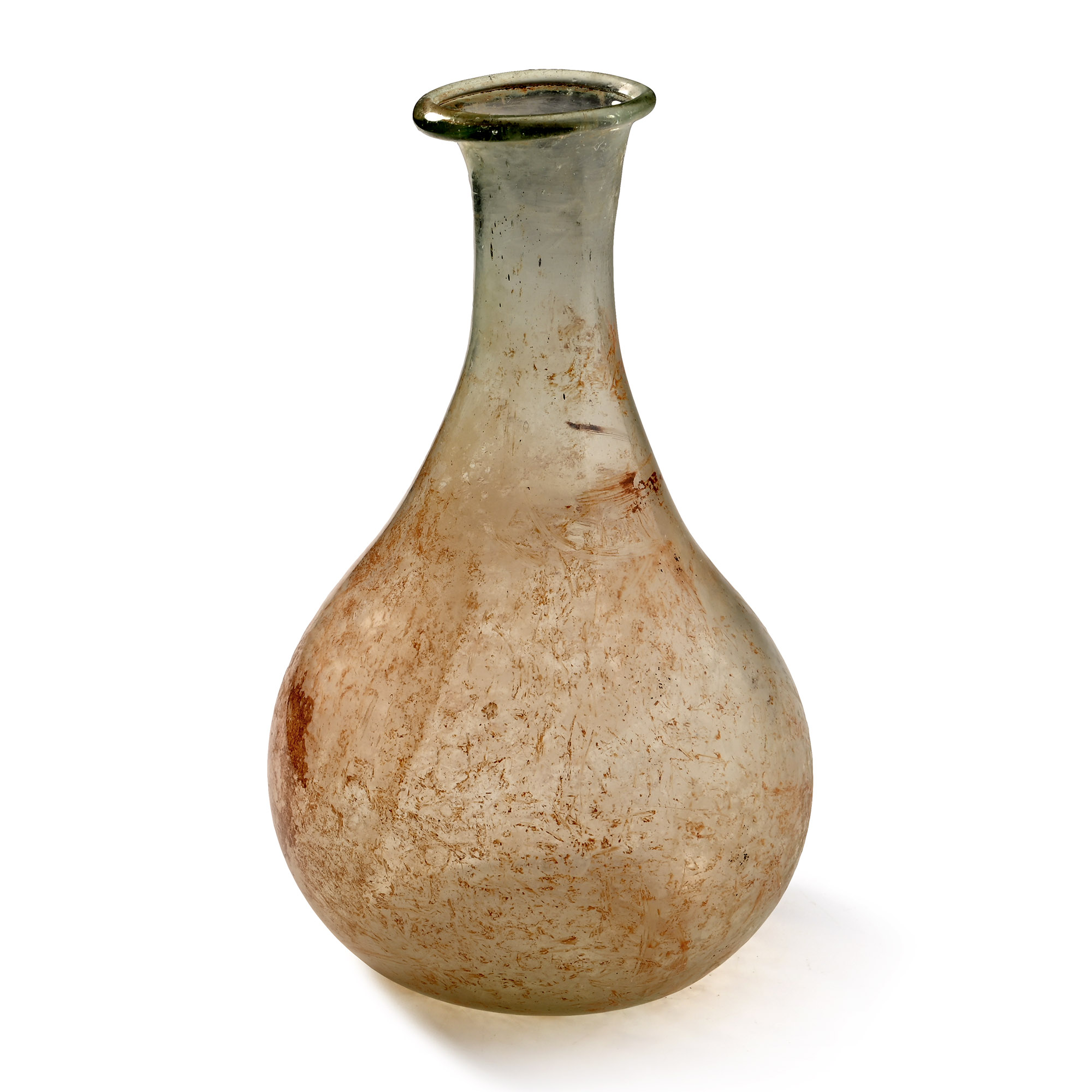
Roman Light Green Glass Flask
CIRCA 1ST CENTURY A.D.
6 1/4 in. (68 grams, 16 cm).
Comprising a piriform body with dimple base, tapering tubular neck with pinched and everted rim.
ProvenanceFrom an important collection of glass, London, UK, 1990s.
LiteratureCf. Whitehouse, D., Roman Glass in the Corning Museum of Glass, vol.1, New York, 1997, item 236, for type.
CONDITIONTimeLine Auctions follows a vetting process to ensure the authenticity and legality of all items, reinforcing our commitment to integrity and responsible trading. Each antiquity, antique, and coin lot undergoes thorough examination by a vetting committee of at least ten external specialists, professional trade association members, scientists, and archaeologists: Our Vetting Process
AUCTIONS:
TimeLine is a leading auction house specialising in antiquities, ancient art, collectables, natural history, coins, medals, and books. Our auctions offer museums, collectors, historians, and enthusiasts the opportunity to acquire unique and historically significant pieces.
-
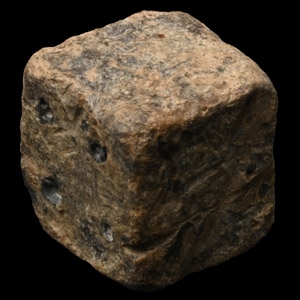
Romano-British Lead Gaming Dice
1st-4th century A.D.Sold for (Inc. bp): £156
Cuboid with pellet markings on most faces. 16.6 grams, 12 mm
Found Wiltshire, UK. From the private collection of Colin Narbeth, UK, 1990s, with collection reference no.52. Accompanied by a typed collection ticket. -
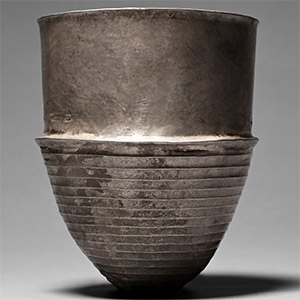
Roman or Gandharan Silver Carinated Cup
Circa late 1st century B.C.-early 1st century A.D.Estimate: £3,000 - 4,000 (+bp*)
Opening Bid: £1,400
Formed from a single sheet, the ovoid base carinated with plain upper portion, slightly flared lip to the rim. 95 grams, 10.4 cm
Acquired from a private UK collection prior to 1979. Ex Julian Sherrier collection, a leading figure in Gandharan art. with Christie's, New York, sale 2337, 14th September 2010, no.56A (part). Accompanied by the original Christie's lot ticket. This lot has been checked against the Interpol Database of stolen works of art and is accompanied by search certificate number no.12961-244455. -
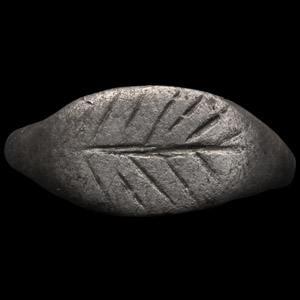
Roman Silver Ring with Palm Branch
1st-4th century A.D.Sold for (Inc. bp): £52
An interphalangeal ring with an incuse palm branch motif on the bezel. 2.67 grams, 19.40 mm overall, 15.48 mm internal diameter (approximate size British F 1/2, USA 3, Europe 4.3, Japan 4)
Ex German art market, 2000s. Acquired from an EU collector living in London. From the collection of a Surrey, UK, gentleman.
