
Loading, please wait...
LOT 0659
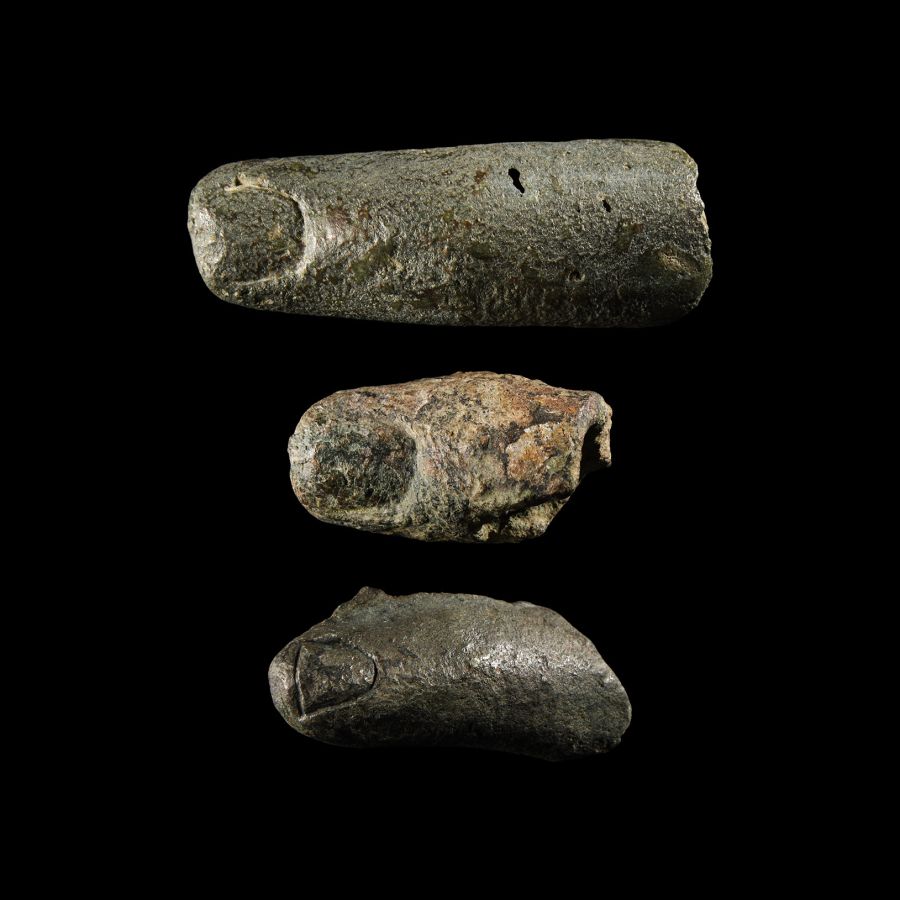
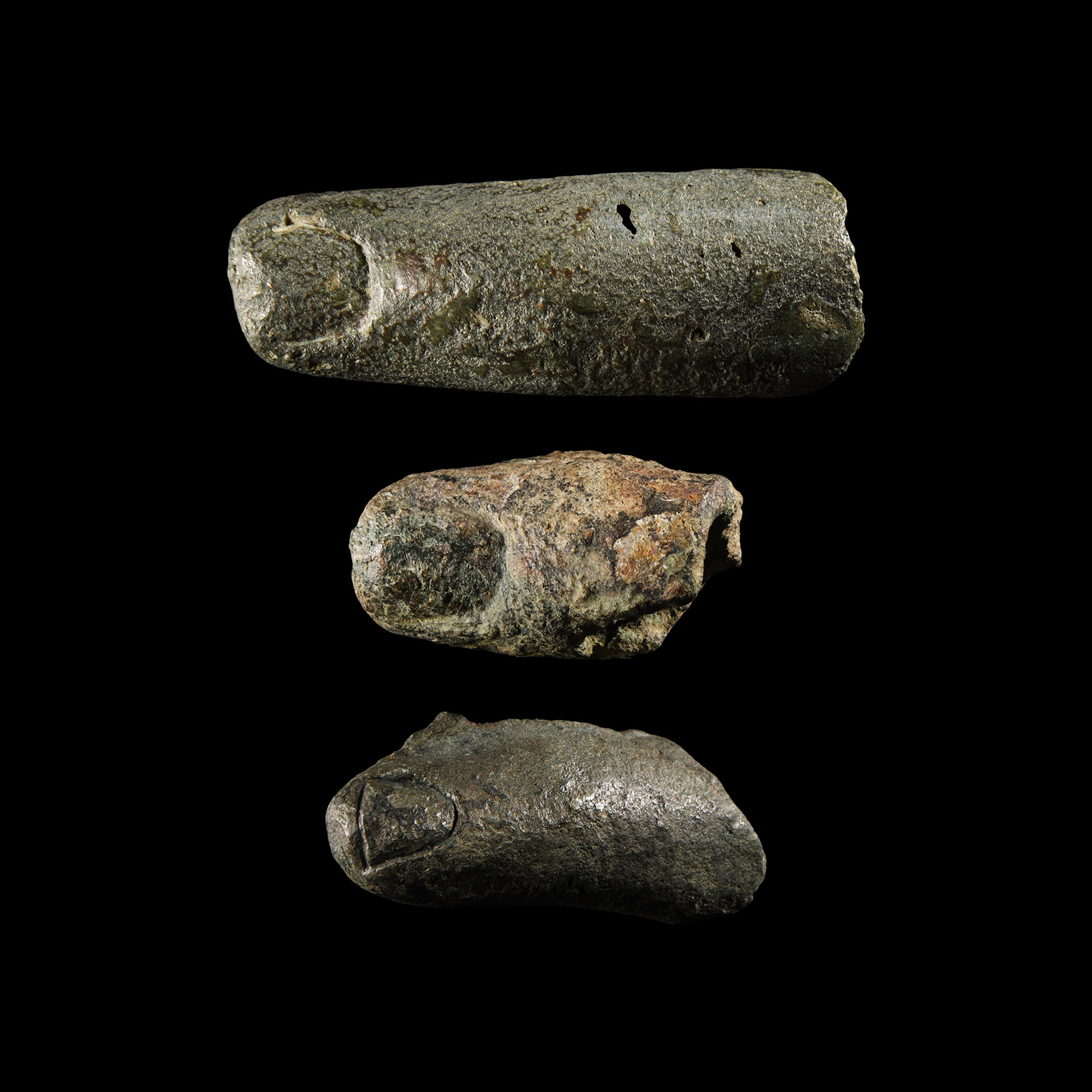
Roman Life-Size Statue Finger Group
1ST-3RD CENTURY A.D.
1 3/4 - 2 7/8 in. (210 grams total, 45-73 mm).
The trio formed with semi-naturalistic detailing to the nail beds; hollow-formed; including larger-than-life examples. [3]
ProvenanceAcquired on the EU art market around 2000.
From the collection of a North American gentleman.
TimeLine Auctions follows a vetting process to ensure the authenticity and legality of all items, reinforcing our commitment to integrity and responsible trading. Each antiquity, antique, and coin lot undergoes thorough examination by a vetting committee of at least ten external specialists, professional trade association members, scientists, and archaeologists: Our Vetting Process
AUCTIONS:
TimeLine is a leading auction house specialising in antiquities, ancient art, collectables, natural history, coins, medals, and books. Our auctions offer museums, collectors, historians, and enthusiasts the opportunity to acquire unique and historically significant pieces.
-
.jpg)
Roman Glass and Other Bead String
1st-3rd century A.D. and laterSold for (Inc. bp): £52
A restrung designer necklace composed of graduated beads. 15.7 grams, 68 cm long
Fine condition.
Acquired 1980-2015. Ex Abelita family collection. -
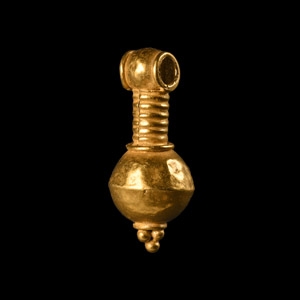
Roman Gold Pendant
1st-3rd century A.D.Sold for (Inc. bp): £286
Composed of a gold sphere with granule cluster below, ribbed shank and suspension loop with filigree borders; hollow-formed. 0.83 grams, 21 mm
With Persepolis Gallery, Mayfair, London, UK; in the 1980s. Ex private collection, London, UK. -
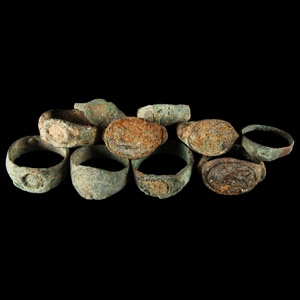
Roman and Other Bronze Ring Group
Circa 1st century B.C. and laterSold for (Inc. bp): £59
Mainly comprising finger rings with decorative bezels; most worn. 46 grams total, 20-24 mm
Ex London art market, 1990s.
