
Loading, please wait...

LOT 0658
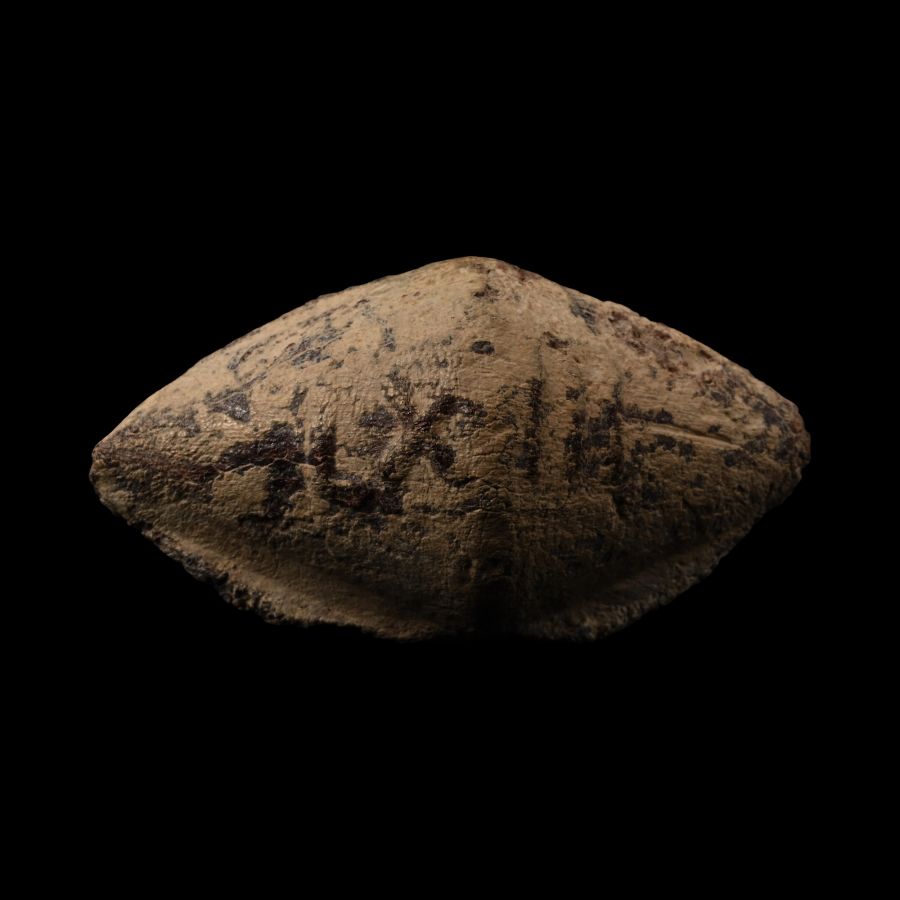
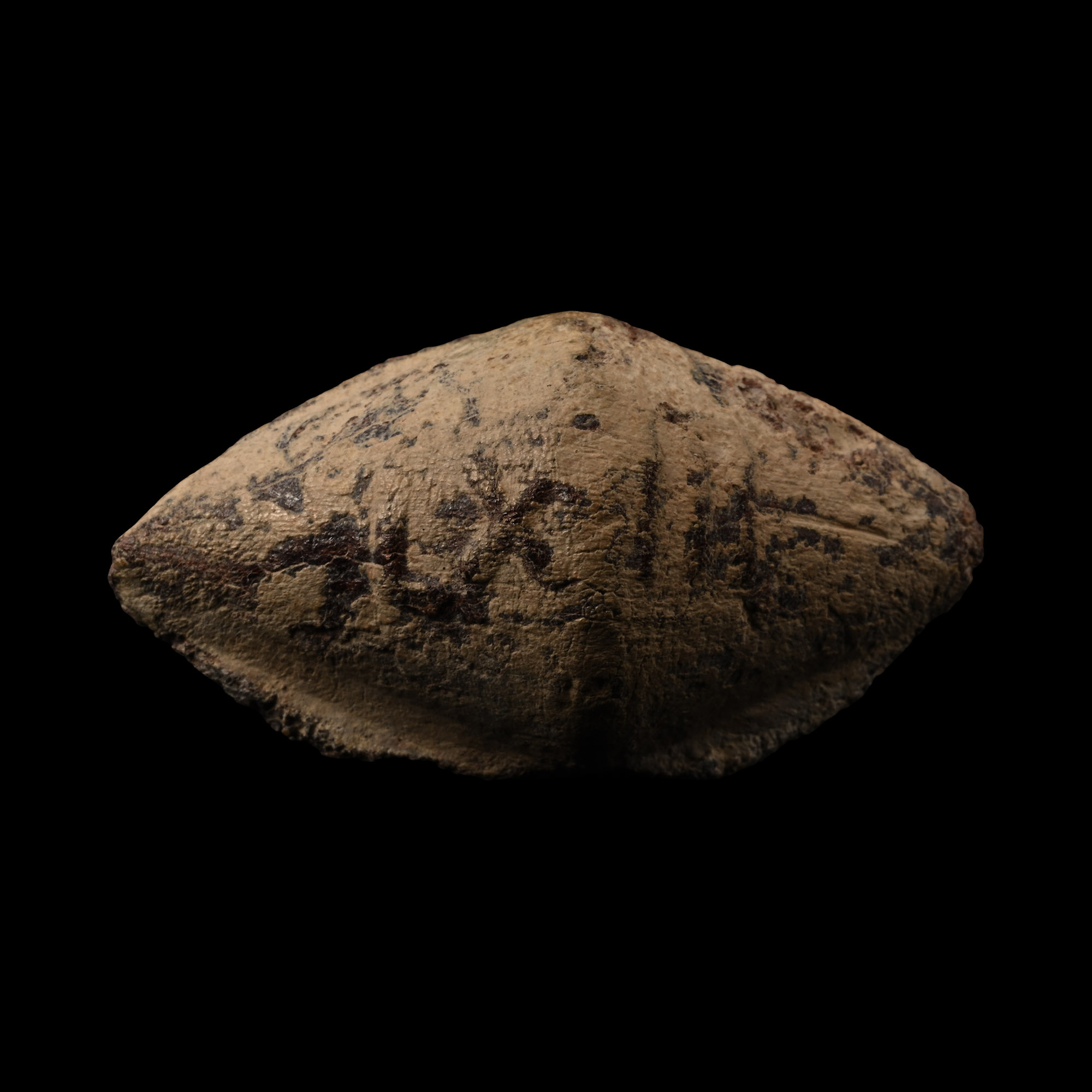
Roman Legion XIII 'Battle of Munda' Lead Slingshot
1ST CENTURY B.C.
1 5/8 in. (55.9 grams, 41 mm).
Fusiform with reserved legend 'LXIII' (for LEGIO XIII = 13th Legion). [No Reserve]
ProvenanceAcquired on the UK art market.
Property of a gentleman collector.
This lot is accompanied by an illustrated lot declaration signed by the Head of the Antiquities Department, Dr Raffaele D'Amato.
Cf. D'Amato, R. and Sumner, G., Arms and Armour of the Imperial Roman Soldier: From Marius to Commodus, 112 BC-AD 192, London, 2009, fig.32, p.45, for a similar glandes from Zaragoza Museum, from Munda battlefield; cf. also D'Amato, R., La Grande Storia delle Legioni Romane, Roma, 2021.
FootnotesThe shot (Völling type 1C) is marked with the abbreviated name of Legion XIII, and was probably used at the Battle of Munda (or Monda) against Julius Caesar, 17th March 45 B.C., or against the sons of Pompey, because both the generals (Pompey sons and Caesar) had in their army a Legio with the numeral XIII on that day. Interestingly, other glandes of the same typology from the same battlefield bear the name of Pompey, so that it is much possible that the glans belongs to the Legio XIII of Pompey, who was destroyed during the battle and whose survivors were massacred among the 22,000 defenders of Cordoba by the troops of Caesar (D'Amato, 2021, pp.421 and 424). The projectiles were made of different materials: lead (glandes) or in pottery or stone (lapides missiles).
CONDITIONTimeLine Auctions follows a vetting process to ensure the authenticity and legality of all items, reinforcing our commitment to integrity and responsible trading. Each antiquity, antique, and coin lot undergoes thorough examination by a vetting committee of at least ten external specialists, professional trade association members, scientists, and archaeologists: Our Vetting Process
AUCTIONS:
TimeLine is a leading auction house specialising in antiquities, ancient art, collectables, natural history, coins, medals, and books. Our auctions offer museums, collectors, historians, and enthusiasts the opportunity to acquire unique and historically significant pieces.
-
Roman Glass Vessel
2nd-3rd century A.D.Estimate: £100 - 140 (+bp*)
Opening Bid: £50
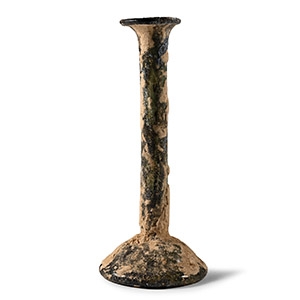
Tall thin translucent pale green vessel with wide foot and dimpled base, tapering stem and flared rim. 27.6 grams, 12.5 cm
From a London, UK, collection, 1990s. This lot is accompanied by an illustrated lot declaration signed by the Head of the Antiquities Department, Dr Raffaele D’Amato. This lot is accompanied by an illustrated lot declaration signed by the Head of the Antiquities Department, Dr Raffaele D'Amato. -
Roman Silver Gaming Cube with Animals
1st-4th century A.D.Sold for (Inc. bp): £117
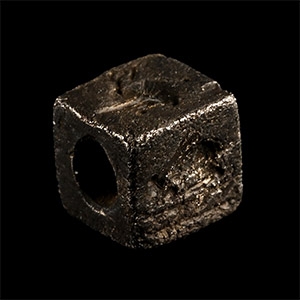
Cuboid 'die' drilled through the centre, each of the four faces with a different animal: a hare, an eagle facing back, a dove, and a dolphin(?), probably used in a game of dice. 1.6 grams, 6 mm
Property of a Cambridgeshire, UK, collector. From his private collection since the 1970s; thence by descent circa 2000. Ex private collection of a Bedfordshire gentleman. This lot is accompanied by an illustrated lot declaration signed by the Head of the Antiquities Department, Dr Raffaele D'Amato. -

Roman Glass Double Unguentarium
4th-5th century A.D.Estimate: £400 - 600 (+bp*)
Opening Bid: £200
Composed of two conjoined tapering tubular cells, lateral applied handles at the shoulder, decorated with applied trails; mounted on a custom-made stand. 53.7 grams, 11.6 cm (116 grams total, 13.5 cm including stand)
From an important London collection of glass, 1990s. This lot is accompanied by an illustrated lot declaration signed by the Head of the Antiquities Department, Dr Raffaele D'Amato.
