
Loading, please wait...
_900x900.jpg "Roman Lead Coffin Fragment with Sphinx, Medusa and Dolphins")
_200x200.jpg "Roman Lead Coffin Fragment with Sphinx, Medusa and Dolphins")
.jpg "Roman Lead Coffin Fragment with Sphinx, Medusa and Dolphins")
LOT 0148
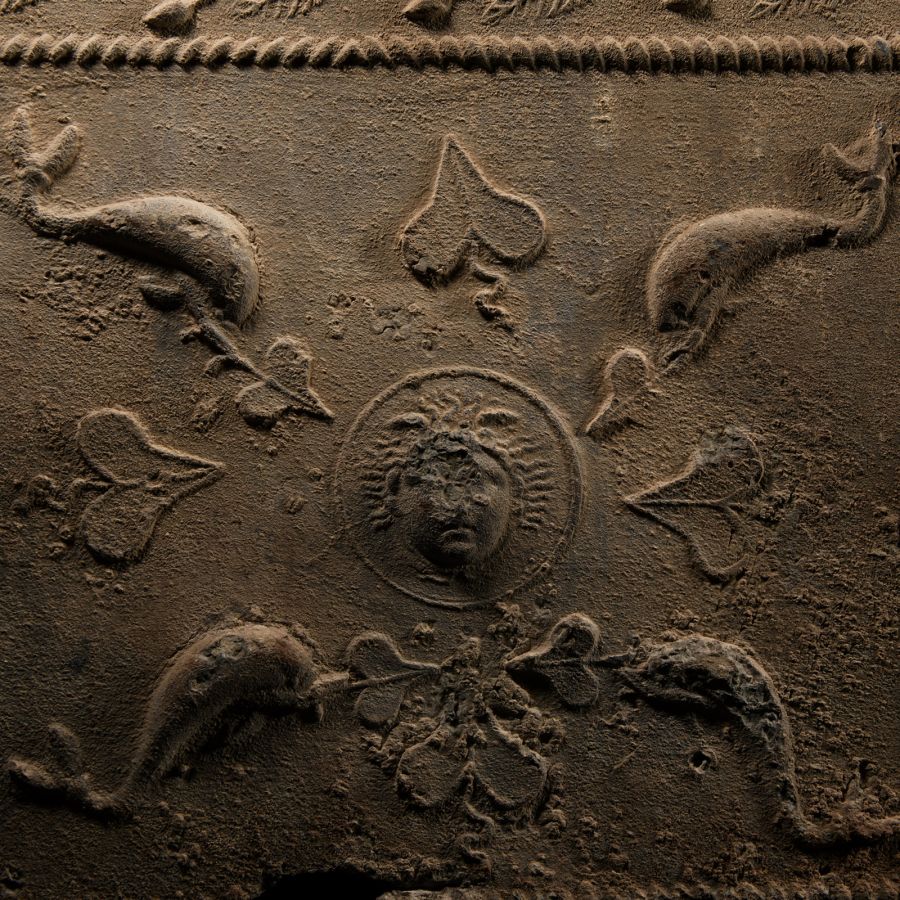
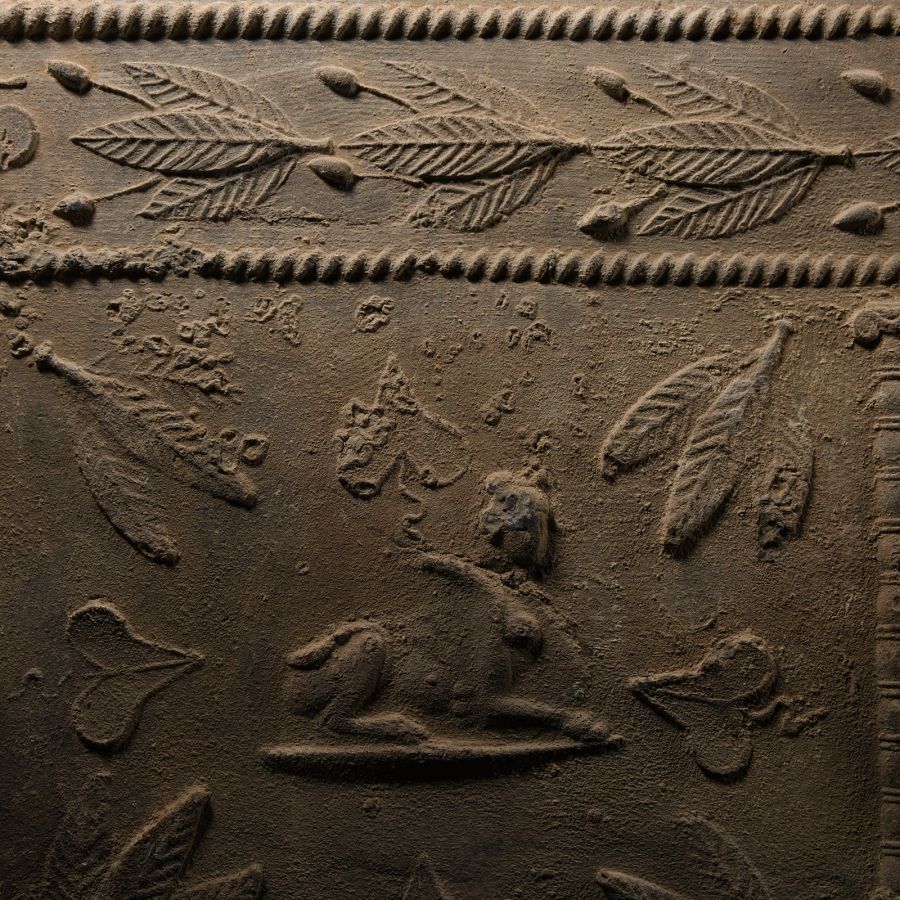
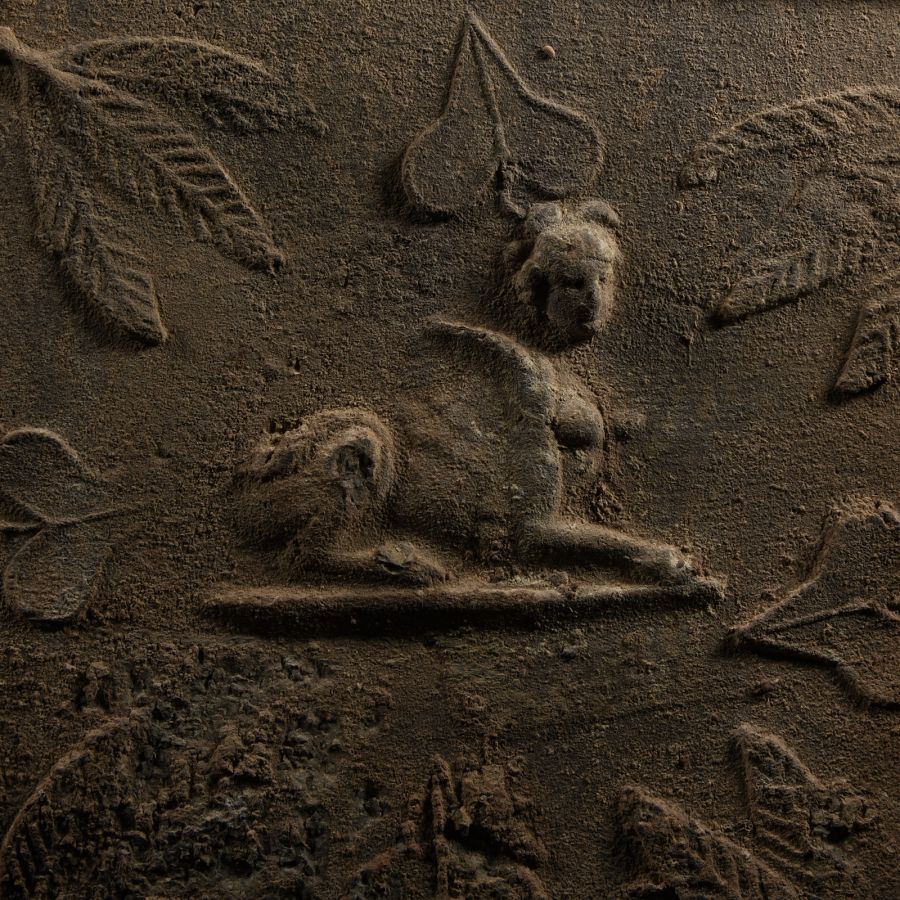
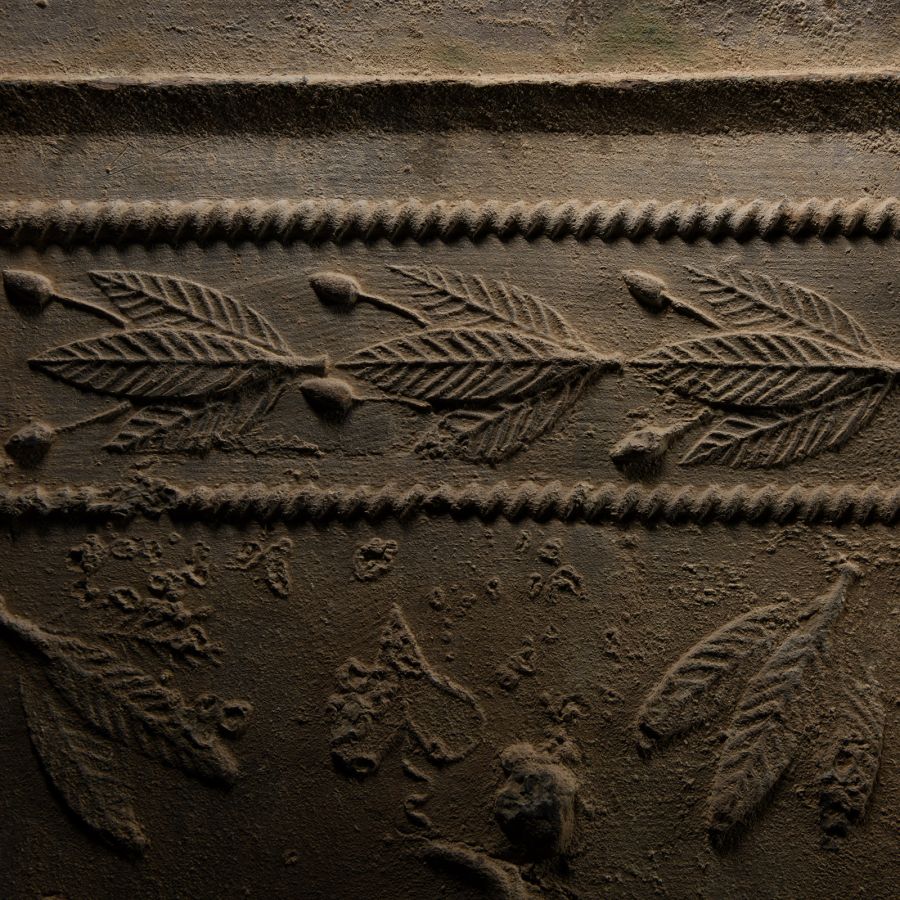
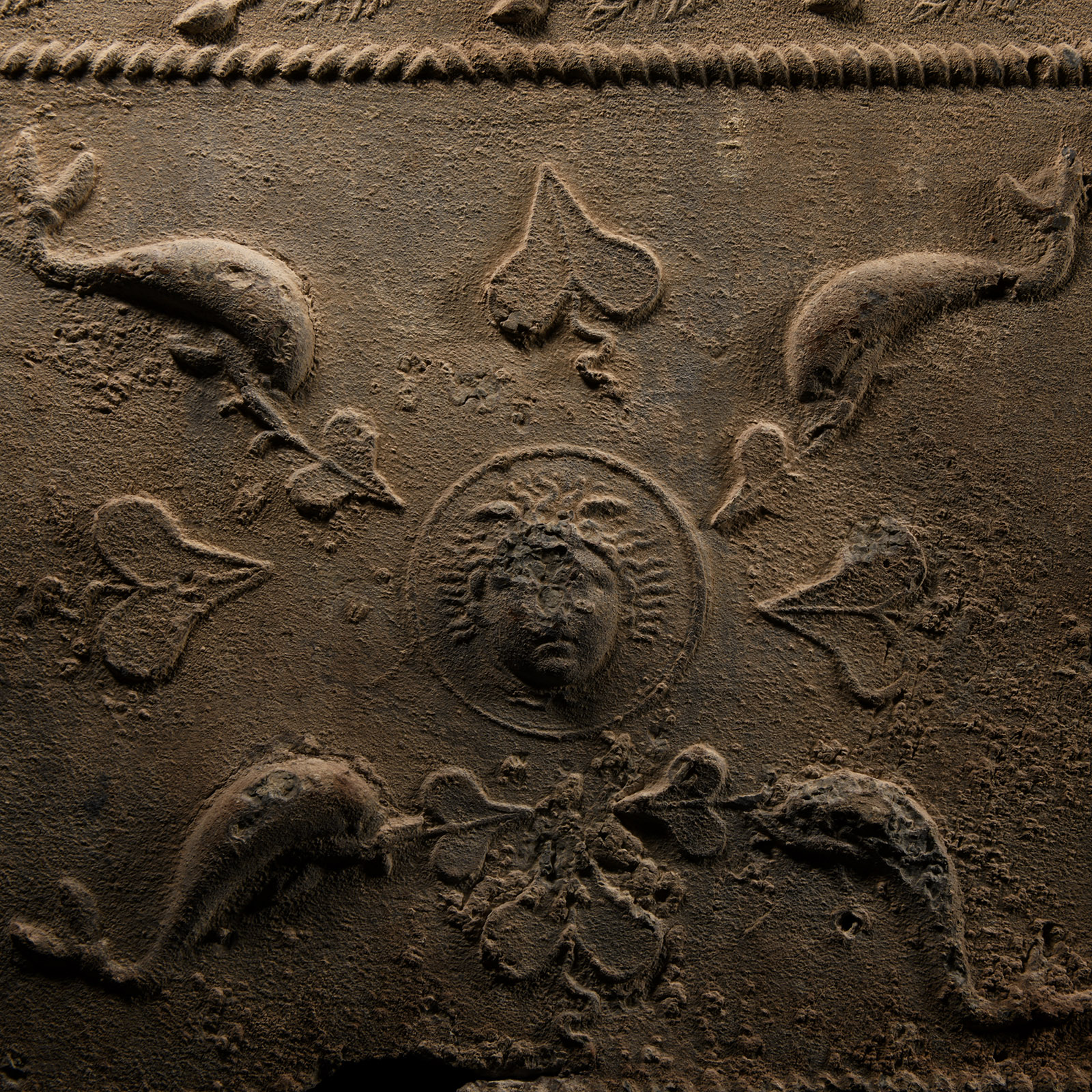
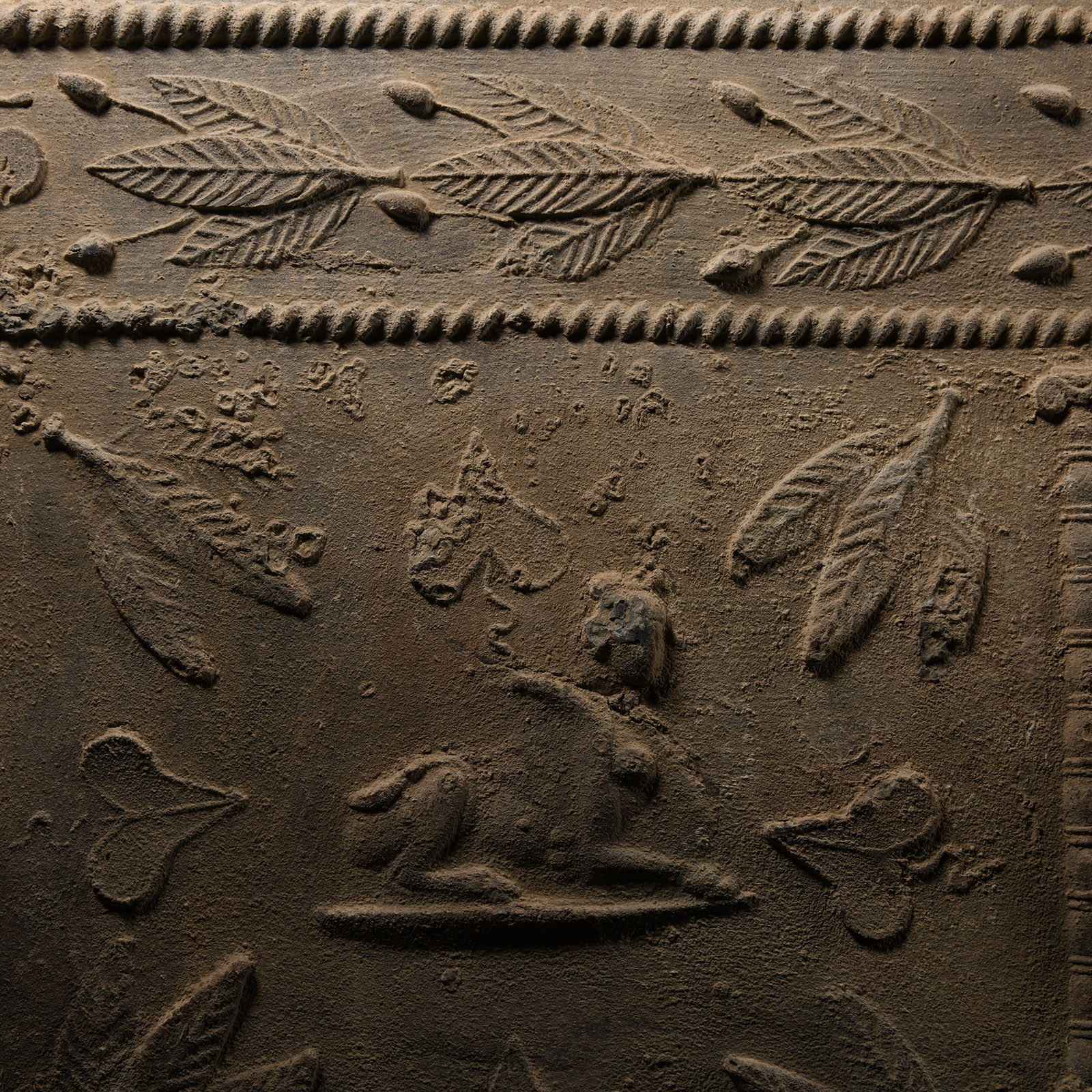
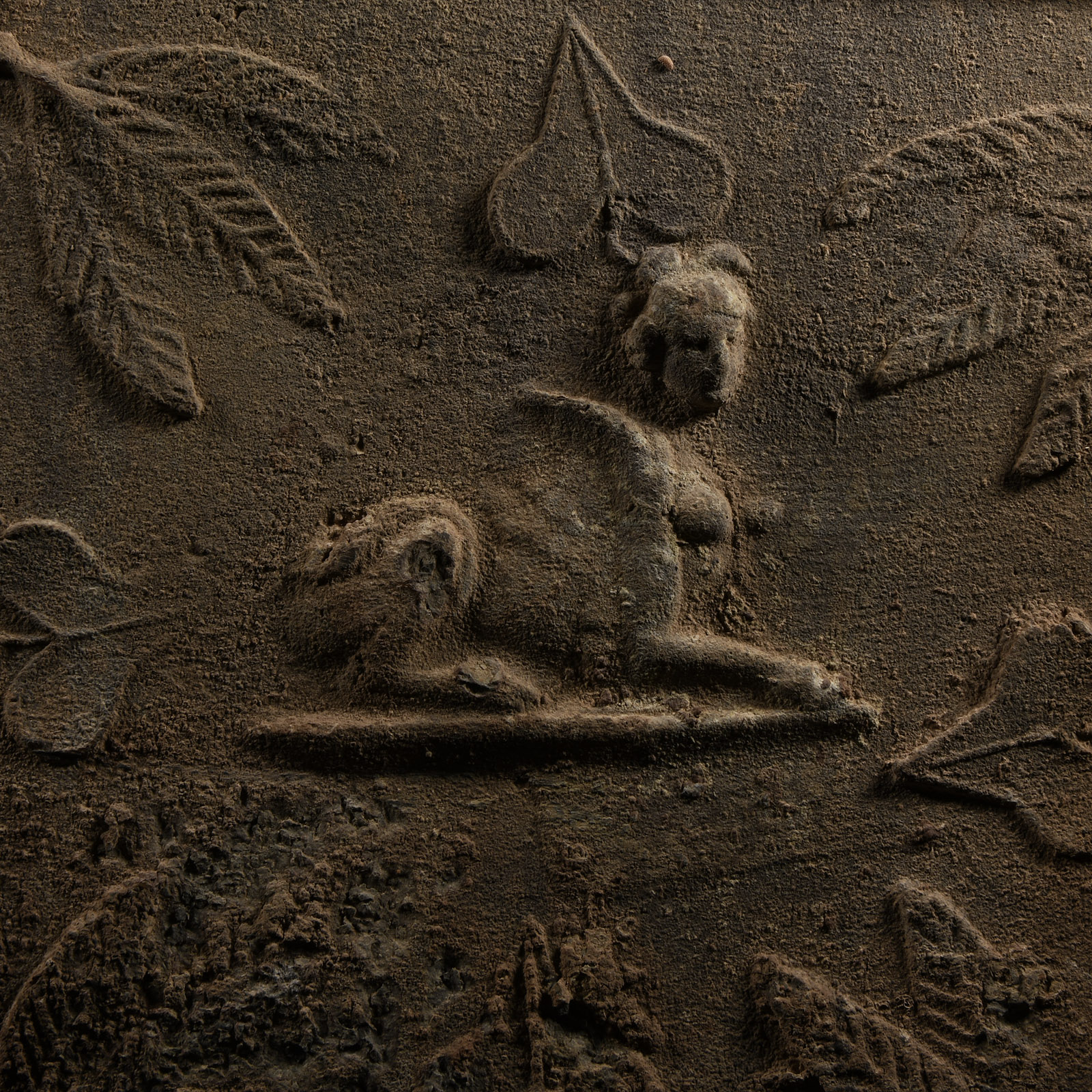
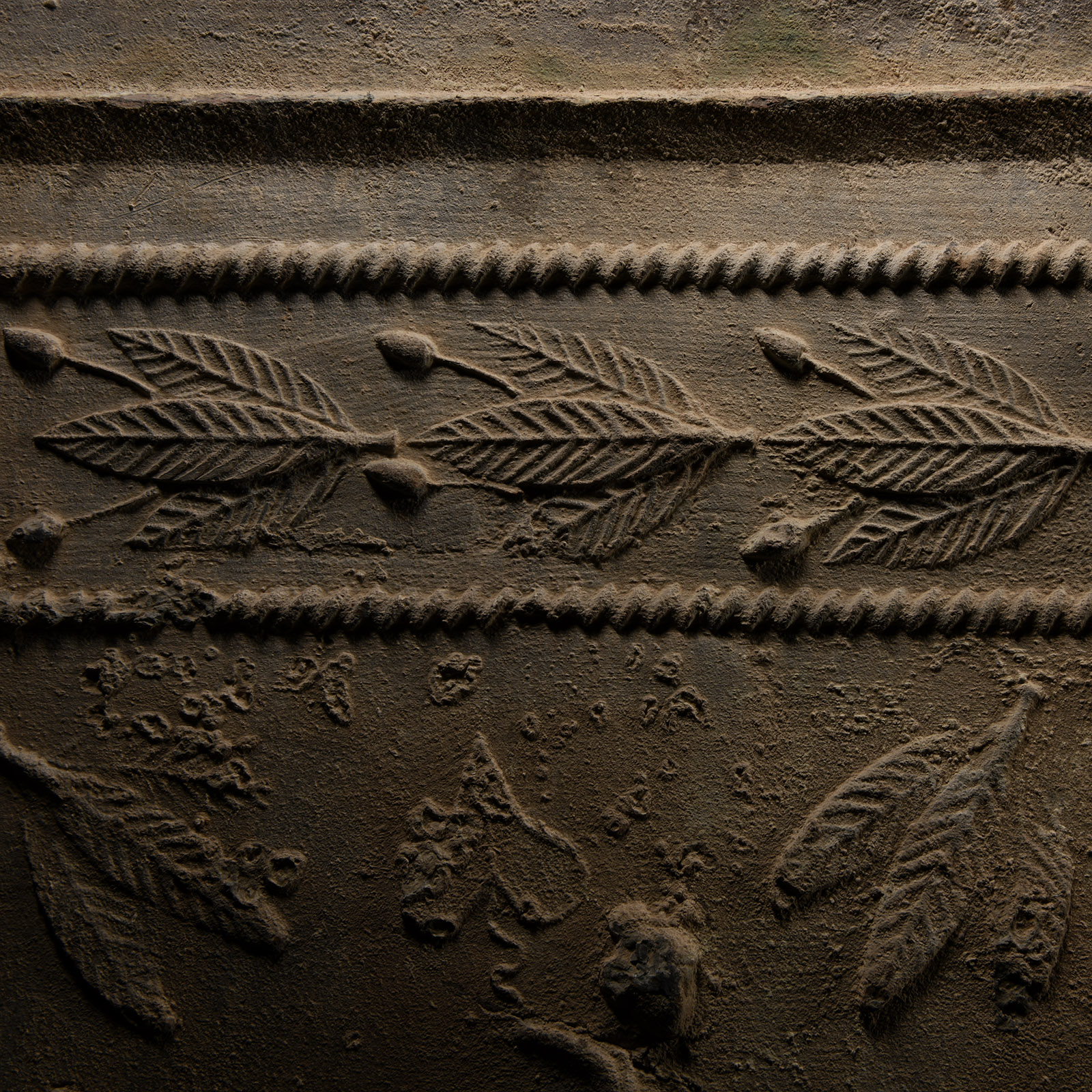
Roman Lead Coffin Fragment with Sphinx, Medusa and Dolphins
2ND-3RD CENTURY A.D
40 in. (20.1 kg, 101.5 cm).
Decorated with a high-relief pattern comprising sphinxes surrounded by dolphins and masks of Medusa surrounded by laurel leaves all between Corinthian columns; ropework and floral border strips with laurel leaves above; lip below the upper edge.
ProvenanceAcquired 1970s-early 1990s.
Property of a North American collector.
London collection, 2016.
See Payne, G., Roman Leaden Coffin discovered at Plumstead in Archaeologia Cantiana, Vol.17, 1887, fig.10, for the presence of lead sarcophagi in Roman Britain; for a similar specimen in the Metropolitan Museum of Art, accession no.31.116a-i; Penn Museum, coffin panel B10280, from Lebanon (Tyre).
FootnotesThis item belongs to types widespread in the Eastern Mediterranean. The panel is decorated with a columned structure, and within each section are symbols of the outer-world, including gorgons, sphinx and dolphins. The sphinx, having a human head and breasts, legs and paws of a lion, and wings of a bird, was generally associated with protecting imperial tombs and temples. The roundels featuring the head of Medusa, known for her potent gazes that could turn one to stone, was favoured on sarcophagi and architectural ornaments because it was believed that her image would protect those within. The dolphin was considered to ferry the souls of the dead to the afterlife.
CONDITIONTimeLine Auctions follows a vetting process to ensure the authenticity and legality of all items, reinforcing our commitment to integrity and responsible trading. Each antiquity, antique, and coin lot undergoes thorough examination by a vetting committee of at least ten external specialists, professional trade association members, scientists, and archaeologists: Our Vetting Process
AUCTIONS:
TimeLine is a leading auction house specialising in antiquities, ancient art, collectables, natural history, coins, medals, and books. Our auctions offer museums, collectors, historians, and enthusiasts the opportunity to acquire unique and historically significant pieces.
LOT 0148
Roman Lead Coffin Fragment with Sphinx, Medusa and Dolphins
Sold for (Inc. bp): £3,380
-
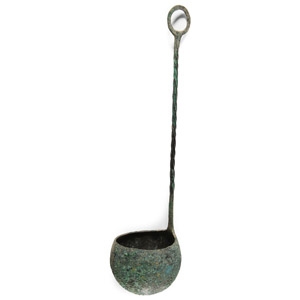
Roman Bronze Ladle with Twisted Handle
2nd century B.C.- 1st century A.D.Sold for (Inc. bp): £286
With deep bowl, integral bronze handle twisted about it own axis, loop finial. 77 grams, 26.2 cm
UK private collection before 2000. UK art market. Property of a London gentleman. -
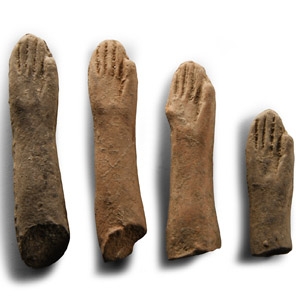
Roman Votive Terracotta Hand Group
Circa 1st century A.D.Sold for (Inc. bp): £124
Each moulded with finger detailing to one face; or from children's dolls. 23 grams total, 34-53 mm
Ex German art market, 2000s. Acquired from an EU collector living in London. From the collection of Surrey, UK, gentleman. -
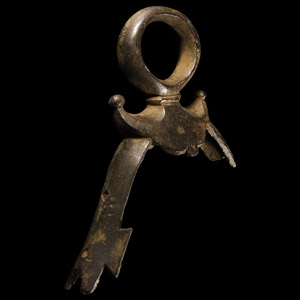
Large Romano-British Bronze Chariot Terret
1st century A.D.Sold for (Inc. bp): £130
From the yoke of a chariot comprising a D-section ring, collar and knop-ended crescents, broad pierced lateral flanges. 365 grams, 16.5 cm
Reputed to have been excavated near Viables in Hampshire at the end of the 19th century. From the estate of the late Jennifer Simmonds. Acquired from Jacobs & Hunt auctioneers, Petersfield, Hampshire, UK.
