
Loading, please wait...
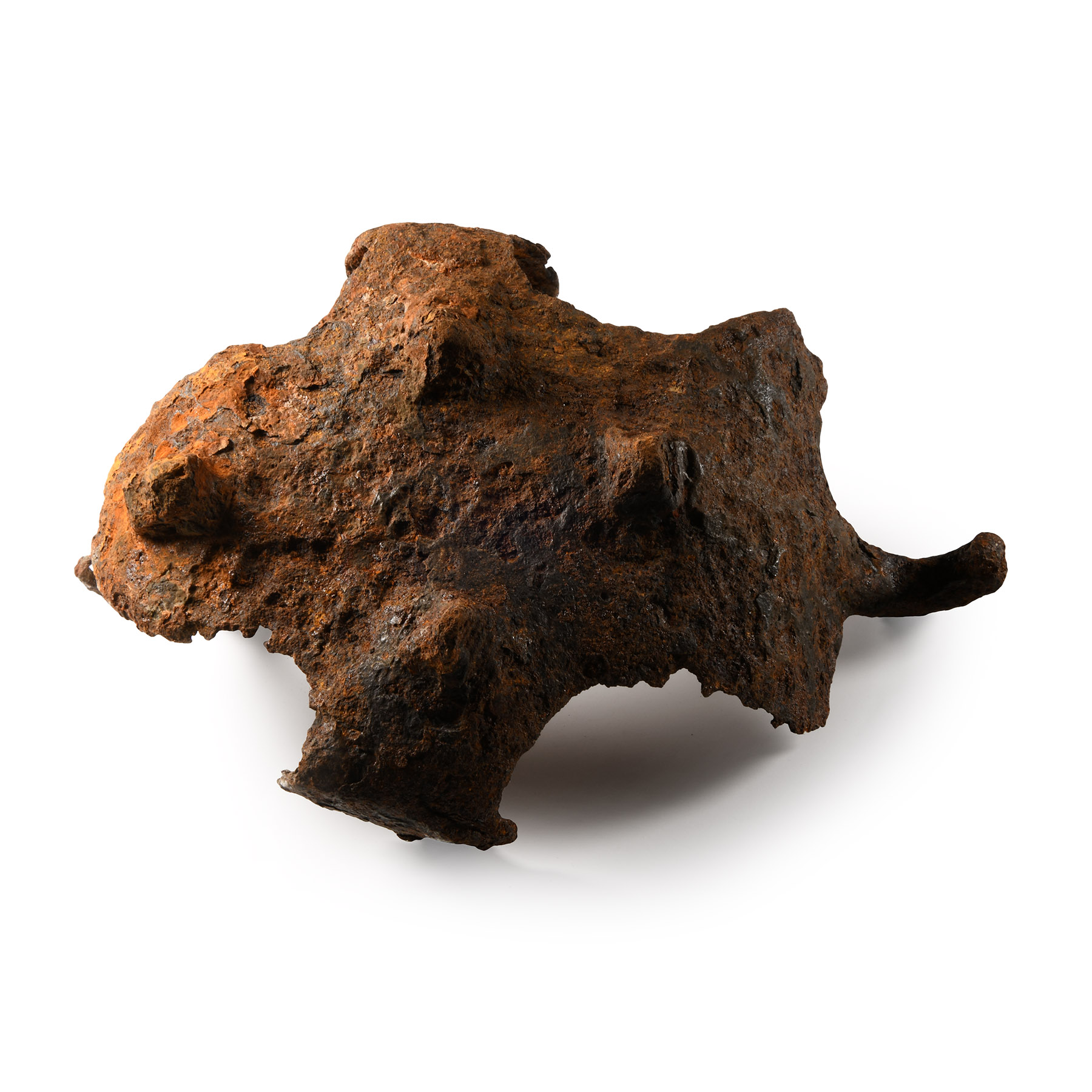
LOT 1430
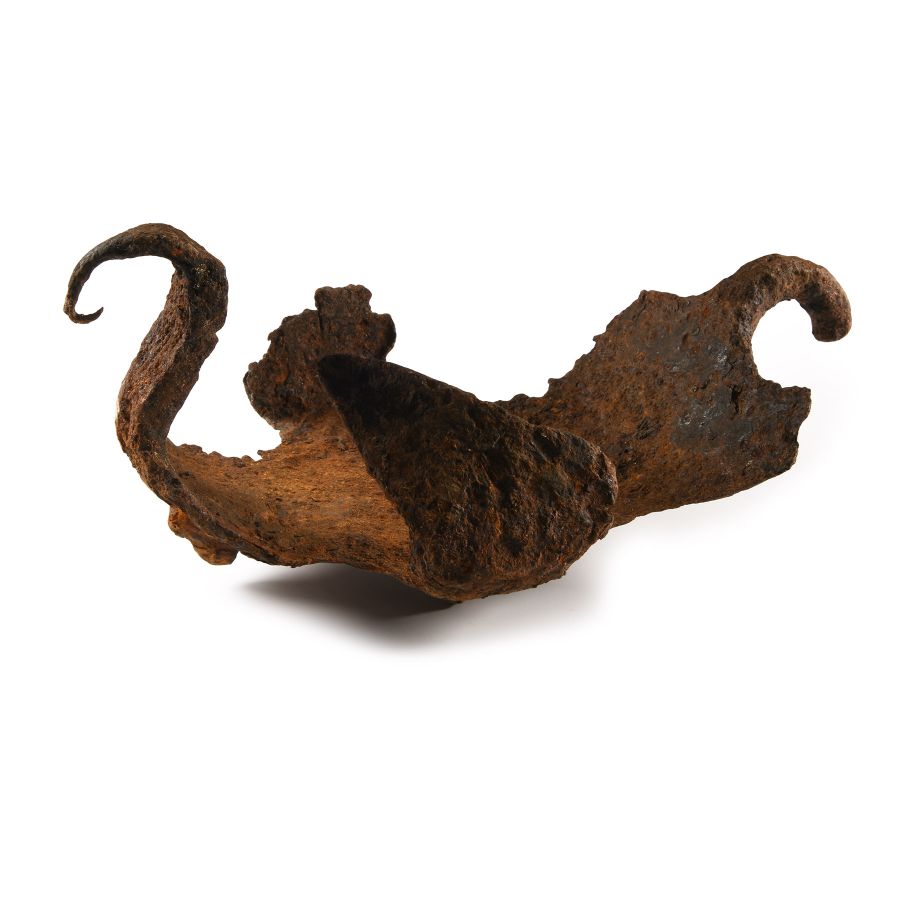
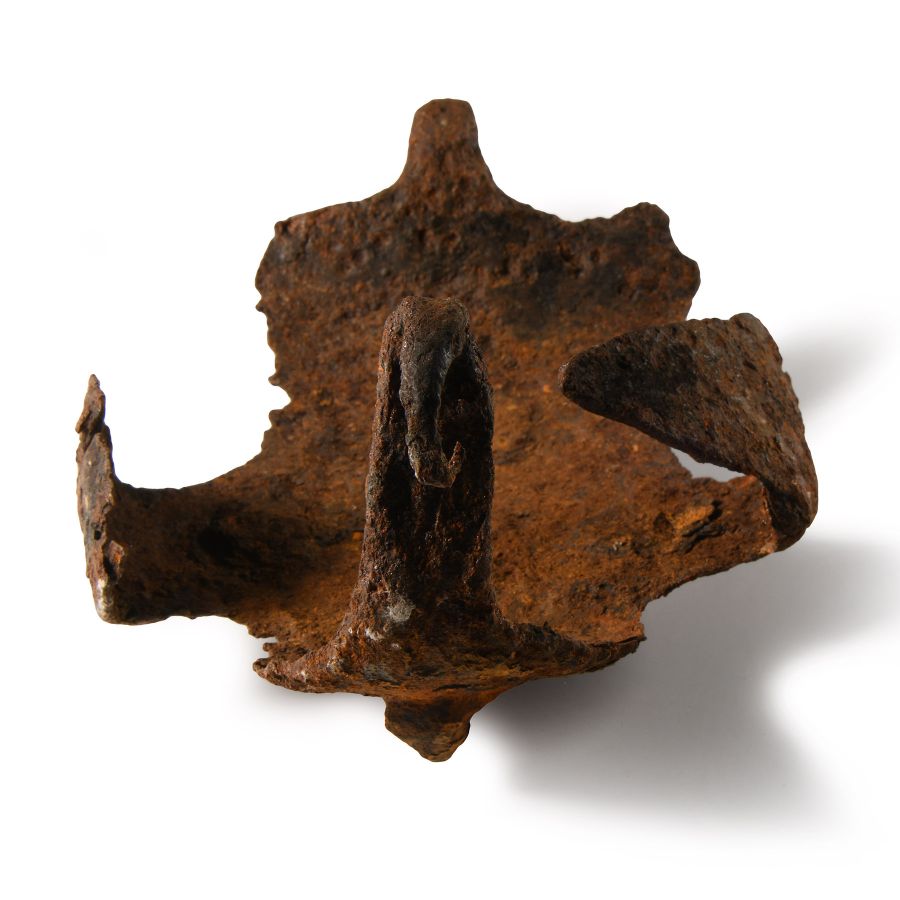
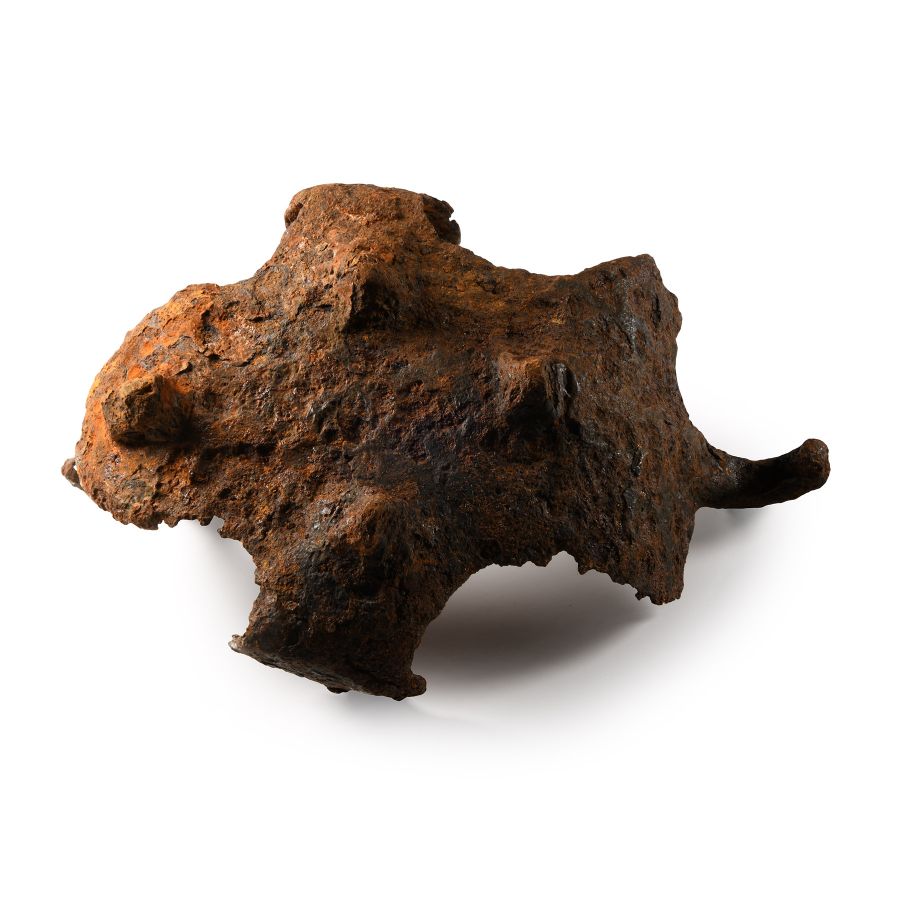
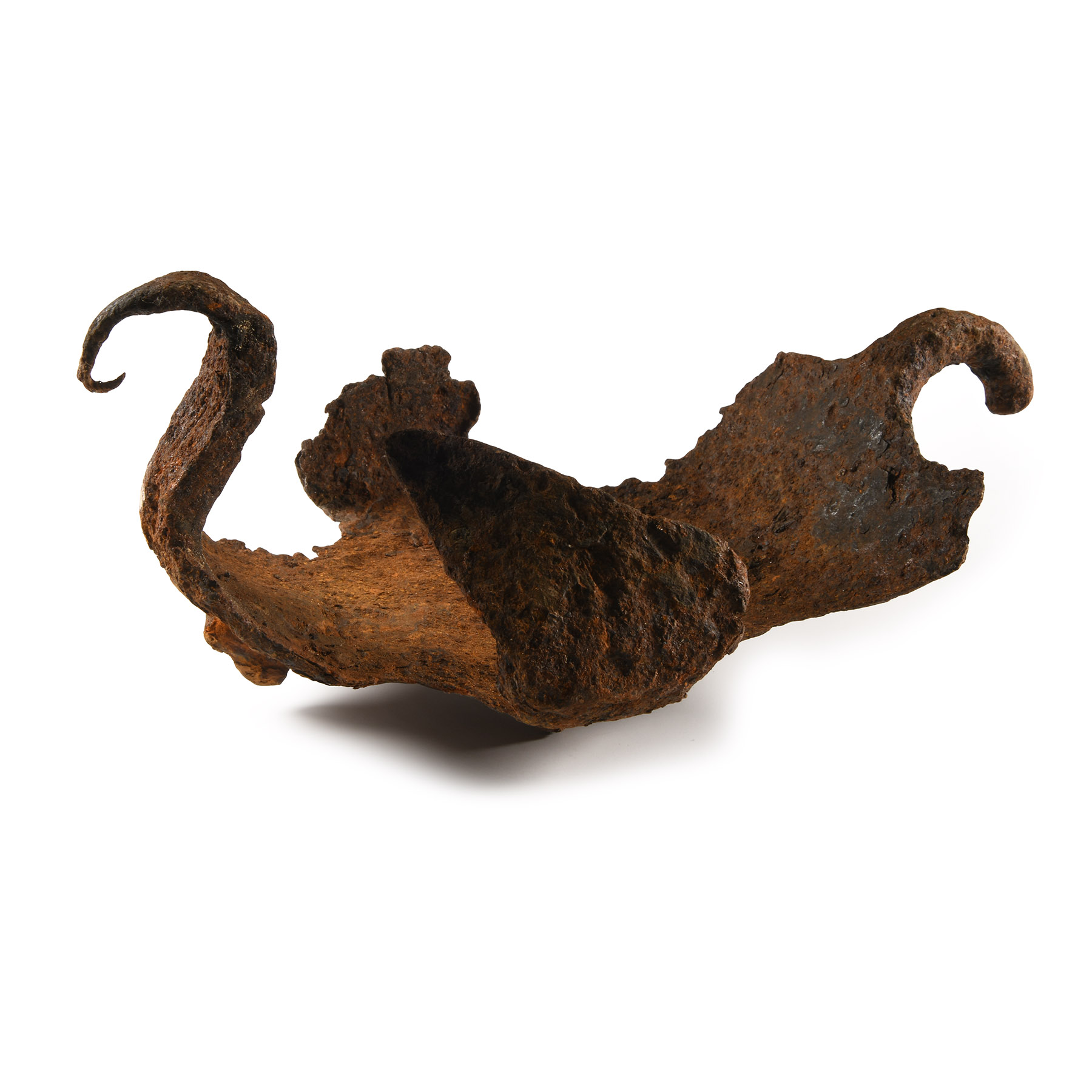
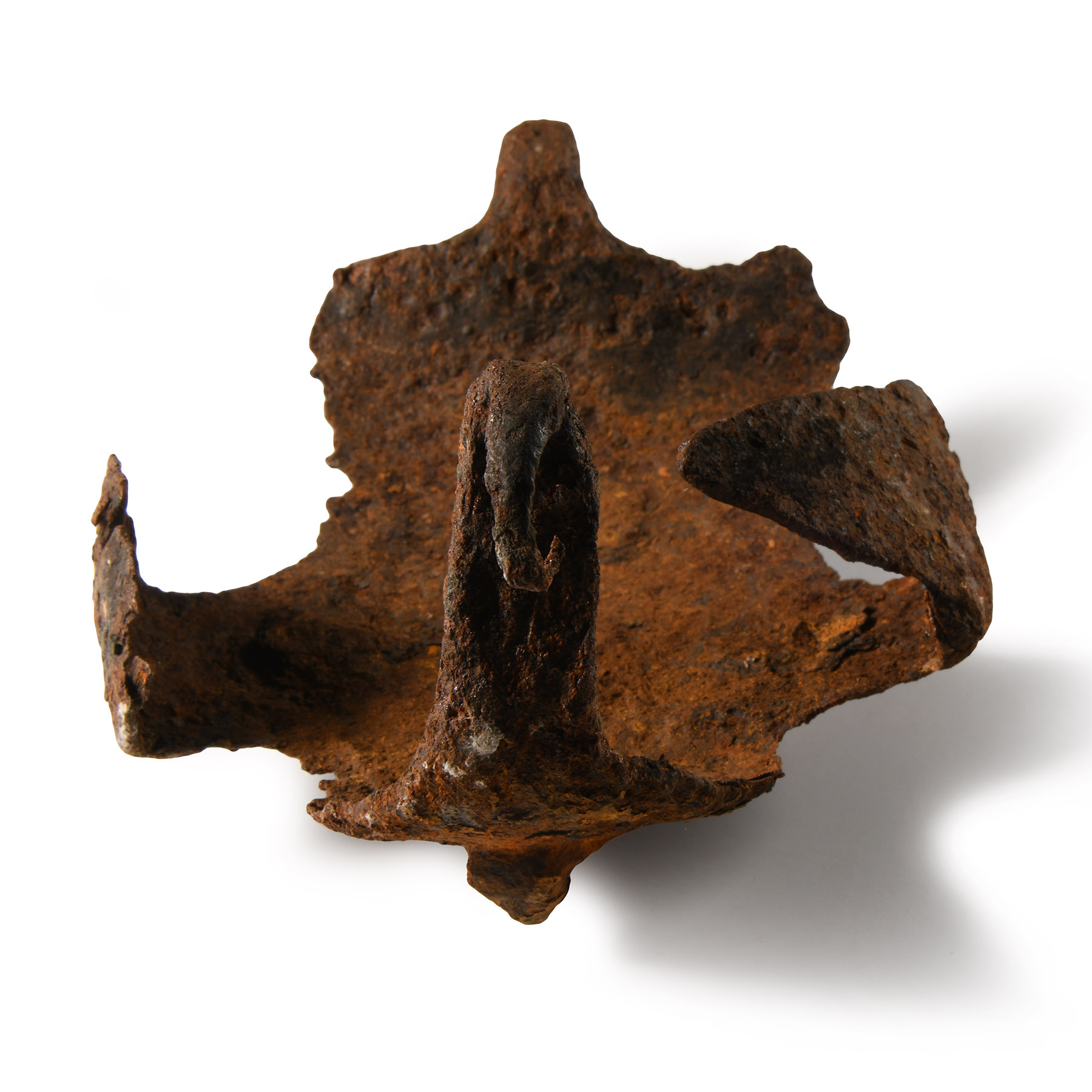
Roman Iron 'Hipposandal' Military Ice Horseshoe
1ST-4TH CENTURY A.D.
8 1/4 in. (617 grams, 21 cm).
With lateral curved plates and scrolled bar to the front, rear panel with hooked spur for attachment. [No Reserve]
ProvenanceFrom a collection acquired on the UK art market from various auction houses and collections mostly before 2000.
From an important Cambridgeshire estate; thence by descent.
Cf. Junkelmann, M., Die Reiter Roms, Teil III: Zubehor, Reitweise, Bewaffnung Mainz, 1992, fig.100-102, for the type.
FootnotesHipposandals (soleae ferreae) were used on horses with injured hooves, a sort of equine orthopaedic shoe used by the mulomedicus, i.e. a Roman military veterinarian. Another important function was that to protect the hooves of the horse from injuries and damages from hard objects. The hipposandal of type 1 was formed from a sub-oval plate which tapered towards the front and rear with projections at the front, back and on either side. The heel was upturned at about 45 degrees and flared outwards. It would have terminated with a downward facing hook, now missing. The base of the sole was flat.
CONDITIONTimeLine Auctions follows a vetting process to ensure the authenticity and legality of all items, reinforcing our commitment to integrity and responsible trading. Each antiquity, antique, and coin lot undergoes thorough examination by a vetting committee of at least ten external specialists, professional trade association members, scientists, and archaeologists: Our Vetting Process
AUCTIONS:
TimeLine is a leading auction house specialising in antiquities, ancient art, collectables, natural history, coins, medals, and books. Our auctions offer museums, collectors, historians, and enthusiasts the opportunity to acquire unique and historically significant pieces.
-
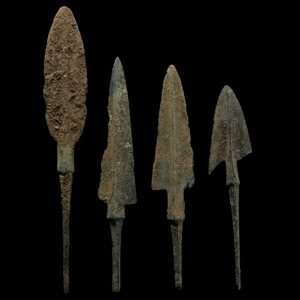
Luristan Bronze Arrowhead Collection
13th-7th century B.C.Sold for (Inc. bp): £72
Tanged, barbed and leaf-shaped types. 91 grams total, 10.3-14 cm
Ex G. White collection, 1980s-1990s. -
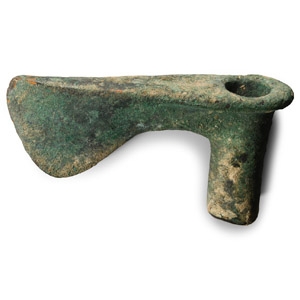
Western Persian Bronze Socketted Axehead
Circa 2nd millennium B.C.Sold for (Inc. bp): £91
With tubular socket, expanding blade with flanges to the long sides, curved edge. 362 grams, 11.9 cm
Acquired on the German art market before 1990. From a German collection. -
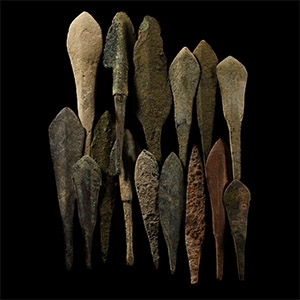
Western Asiatic Bronze Arrowhead Group
2nd-1st millennium B.C.Sold for (Inc. bp): £117
Comprising fifteen tanged examples, including one slender arrowhead in iron. 112 grams total, 44-75 mm
Acquired 1980-2015. Ex Abelita family collection.
