
Loading, please wait...
LOT 0901
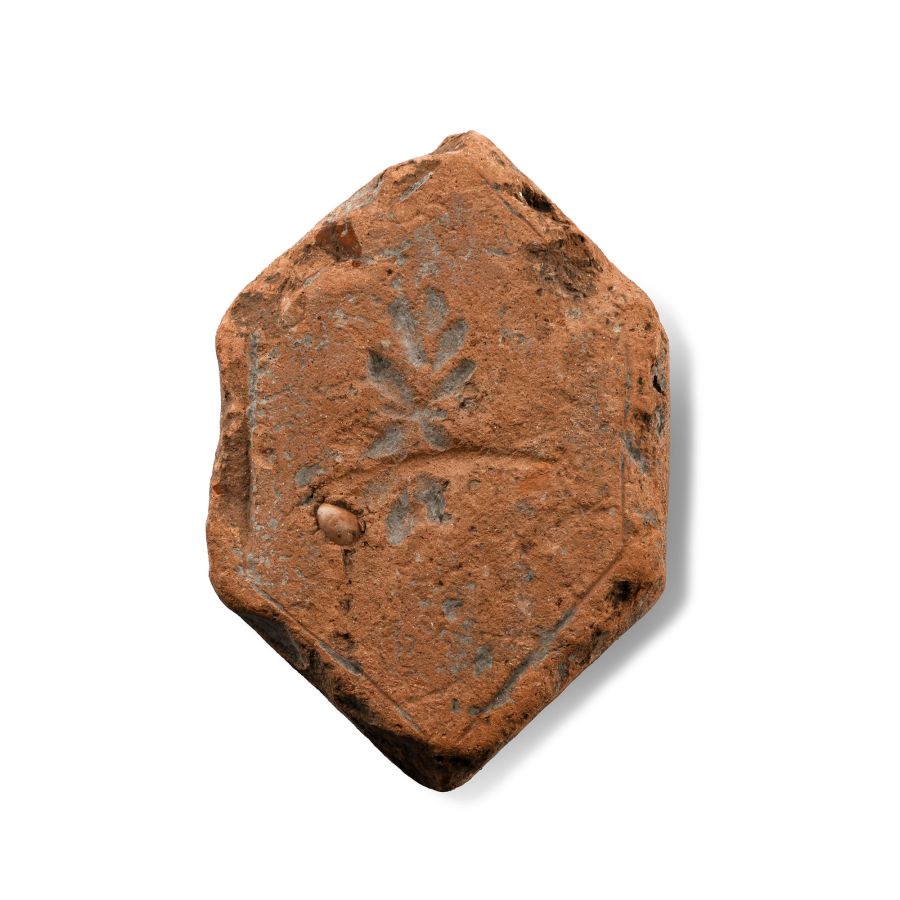
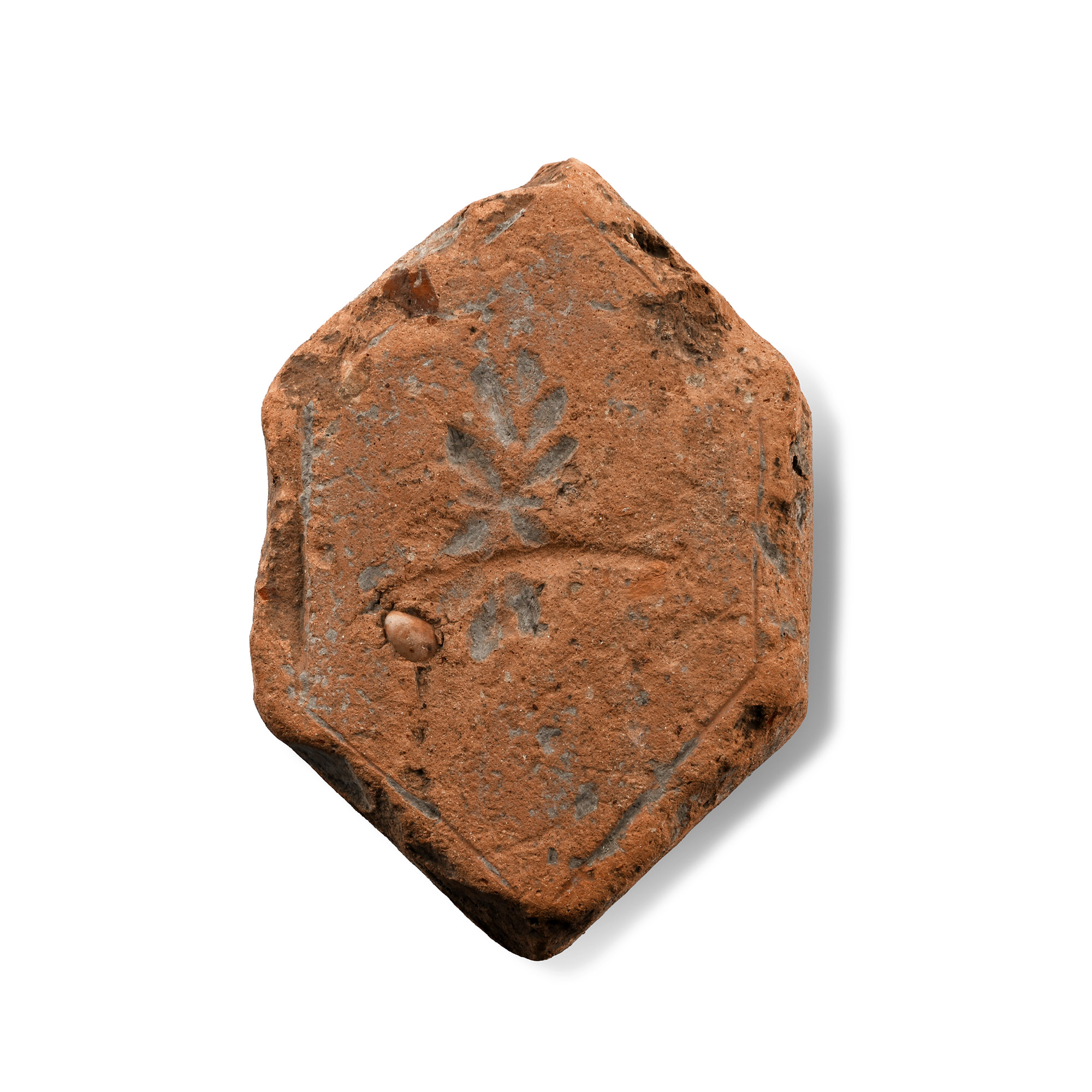
Roman Hexagonal Tile with Motif
1ST-2ND CENTURY A.D.
3 7/8 in. (193 grams, 98 mm).
Hexagonal in plan with incised outline, central impressed foliage motif; embedded pebble. [No Reserve]
ProvenanceFrom the collection of a Buckinghamshire, UK, collector established from the earlier 1960s.
CONDITIONTimeLine Auctions follows a vetting process to ensure the authenticity and legality of all items, reinforcing our commitment to integrity and responsible trading. Each antiquity, antique, and coin lot undergoes thorough examination by a vetting committee of at least ten external specialists, professional trade association members, scientists, and archaeologists: Our Vetting Process
AUCTIONS:
TimeLine is a leading auction house specialising in antiquities, ancient art, collectables, natural history, coins, medals, and books. Our auctions offer museums, collectors, historians, and enthusiasts the opportunity to acquire unique and historically significant pieces.
-
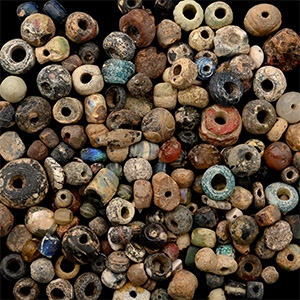
Ancient Glass and Other Bead Collection
Early 1st millennium A.D.Sold for (Inc. bp): £156
Including annular, tabular, polyhedral and other types. 94 grams total, 4-16 mm
From an old deceased estate. Property of an East London lady collector, acquired at auction before 1995. -
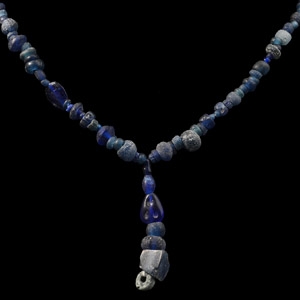
Roman Deep Blue Glass Bead Necklace String
1st-4th century A.D. and laterSold for (Inc. bp): £33
Restrung designer necklace string of biconvex, oblate and other types. 13.9 grams, 33.5 cm
London, UK, collection, 2000s. -
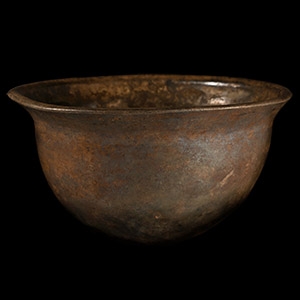
Roman Silver Bowl
2nd century A.D.Estimate: £650 - 750 (+bp*)
Opening Bid: £325
Bell-shaped with thickened rim and rounded underside. 322 grams, 13.2 cm wide
Usage wear.
Acquired early 1990s. Ex private American collection; thence by descent. Private Swiss collection since 1998.
