Loading, please wait...
LOT 0762
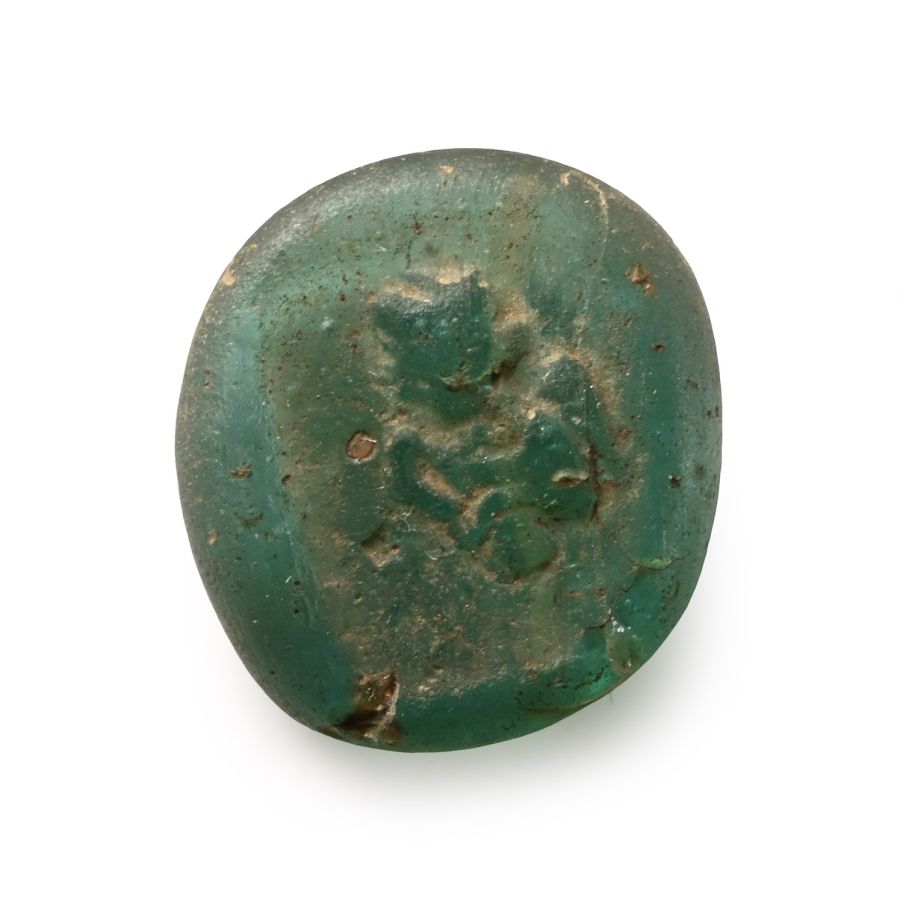
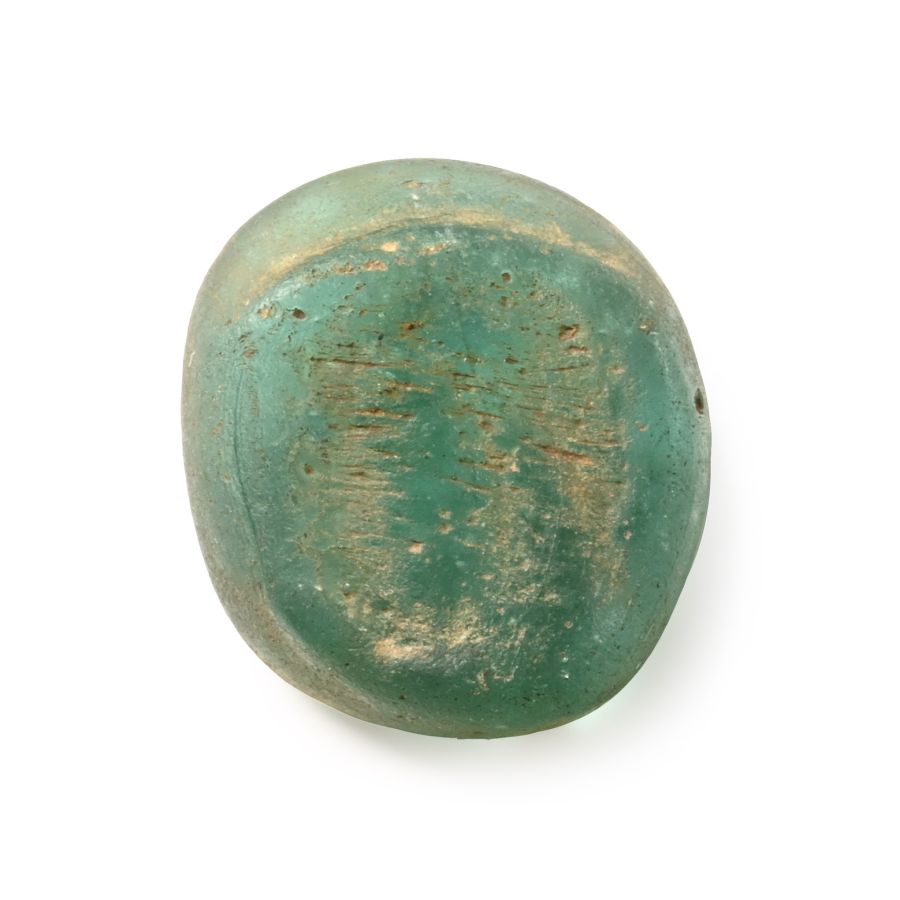
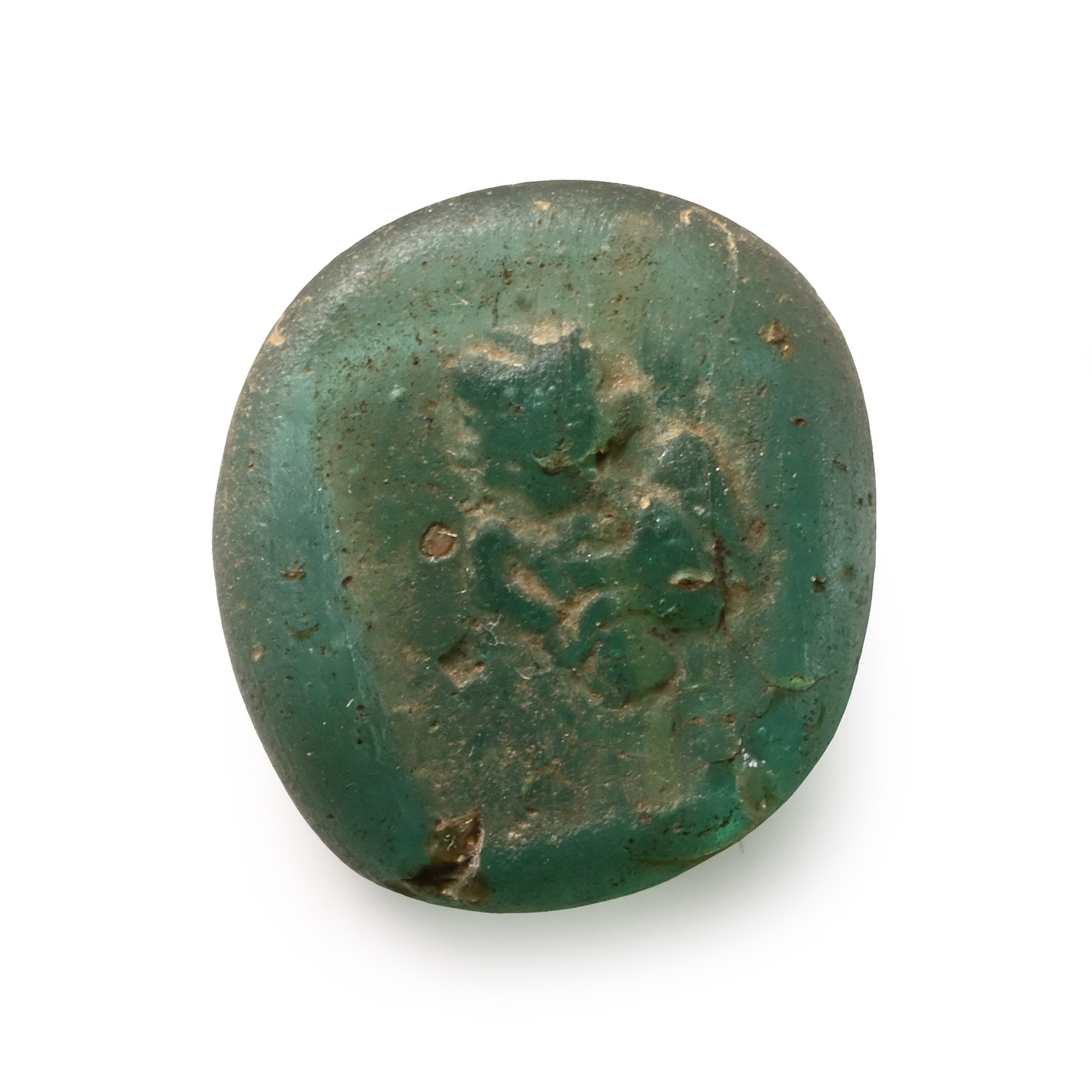
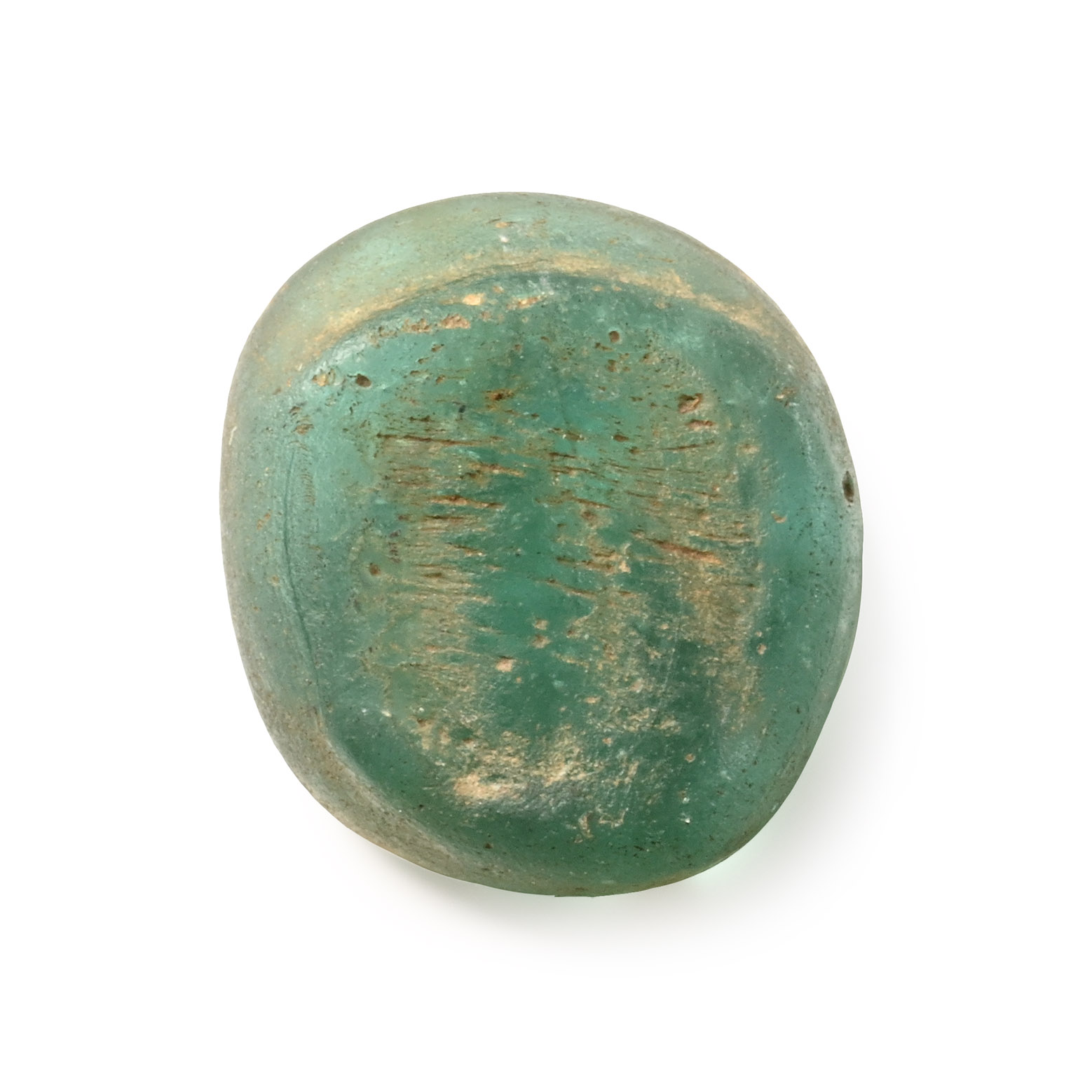
Roman Green Glass Weight
1ST-4TH CENTURY A.D.
5/8 in. (2.5 grams, 17 mm).
Discoid with stepped profile, reserved bust of a winged putto holding a lyre. [No Reserve]
ProvenanceCollected from 1970-1999.
From the collection of the late Mr S.M., London, UK.
TimeLine Auctions follows a vetting process to ensure the authenticity and legality of all items, reinforcing our commitment to integrity and responsible trading. Each antiquity, antique, and coin lot undergoes thorough examination by a vetting committee of at least ten external specialists, professional trade association members, scientists, and archaeologists: Our Vetting Process
AUCTIONS:
TimeLine is a leading auction house specialising in antiquities, ancient art, collectables, natural history, coins, medals, and books. Our auctions offer museums, collectors, historians, and enthusiasts the opportunity to acquire unique and historically significant pieces.
-
Roman Sheet Gold Phalera Cover Pair with Pelta Shields
4th-6th century A.D.Sold for (Inc. bp): £247
Comprising two discoid ornamental appliqués with beaded rims, each with repoussé pelta-shaped panel terminating in opposed bird-heads, surmounted by scrolled tendrils and a kantharos enclosed in a laurel crown. 7.28 grams total, 64-65 mm
Acquired in the early 1990s. From the collection of a London antiquarian. Accompanied by an academic report by Dr Raffaele D'Amato.
The subject represented on these two bracteae is a military shield in the form of a crescent, the so-called pelta, associated in the Late Roman iconography with the Amazon female warriors. This was not necessarily only an iconographic motif, considering that many shields of this typology were represented on the pedestal of the Column of Arcadius in Constantinople (circa 400 A.D.) and they seemed to be associated with the heavy cavalry of the Imperial guard (D’Amato-Negin, 2017, p.252). This could suggest that these gold sheets were applied upon phalerae or military decorations. -
Roman Historic Cut & Polished Porphyry Slice Group
1st-5th century A.D. and laterSold for (Inc. bp): £234
Comprising three lacquered porphyry slices of rectangular shape, cut on both faces and polished on one face; probably from recycled material mined in ancient Roman times between the 1st and 5th century A.D.; intended for use as inlay panels. 82.8 grams total, 7.2-10.1 cm
From Egypt. Ex Mineral Imports, London, UK. Gregory, Bottley & Lloyd (Gregory's).
Mons Porphyrites (today Jabal Abu Dukhkhan) is the mountainous site of a group of ancient quarries in the Red Sea Hills of the inhospitable eastern desert in Egypt, a five day trip from the Nile during Roman times. They were discovered by Caius Cominus Leugas in 18 A.D., and during the Roman Empire the mines officially belonged to the emperor and were the only known source of the Imperial Porphyry, Mons Porphyrites. This dark purple stone was associated with royalty and used for prestigious sculpture and architecture. The location of the mines was lost some time in the 5th century, and rediscovered in the early 19th century. Excavations in the area have revealed the well-preserved quarries and the dwelling places of the quarry men, and also thousands of ostraca have been discovered containing messages that provide details of how the quarrying took place, and of how the highly skilled quarrymen ordered their food. -
Roman Apollo Gemstone in Gold Ring
2nd-3rd century A.D.Estimate: £2,000 - 3,000 (+bp*)
Opening Bid: £1,000
Carnelian intaglio profile bust of Apollo with hair dressed; set into a later sturdy ring with round-section shank and bezel formed as a cell with flange to the rim and granules flanking the junction with the shank. 9.87 grams, 25.73 mm overall, 20.42 mm internal diameter (approximate size British T 1/2, USA 9 3/4, Europe 21.89, Japan 21)
Acquired 1960s-1990s. From the late Alison Barker collection, a retired London barrister. This lot has been checked against the Interpol Database of stolen works of art and is accompanied by search certificate number no.12221-218651.