
Loading, please wait...
LOT 0746
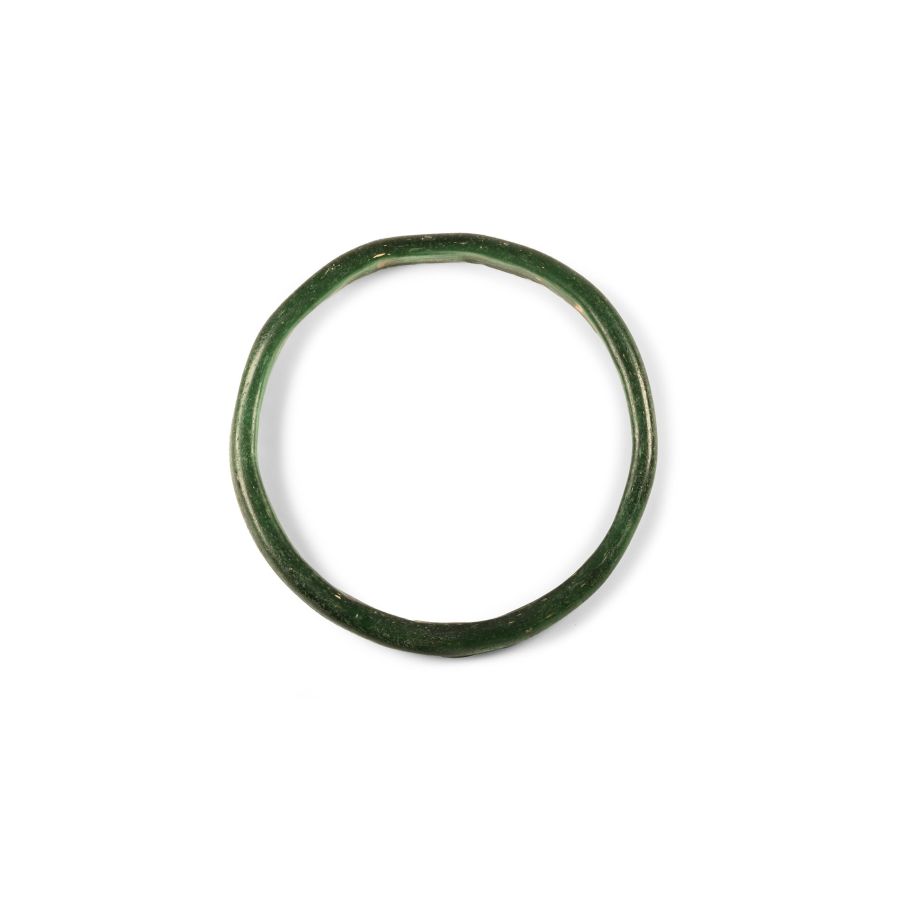
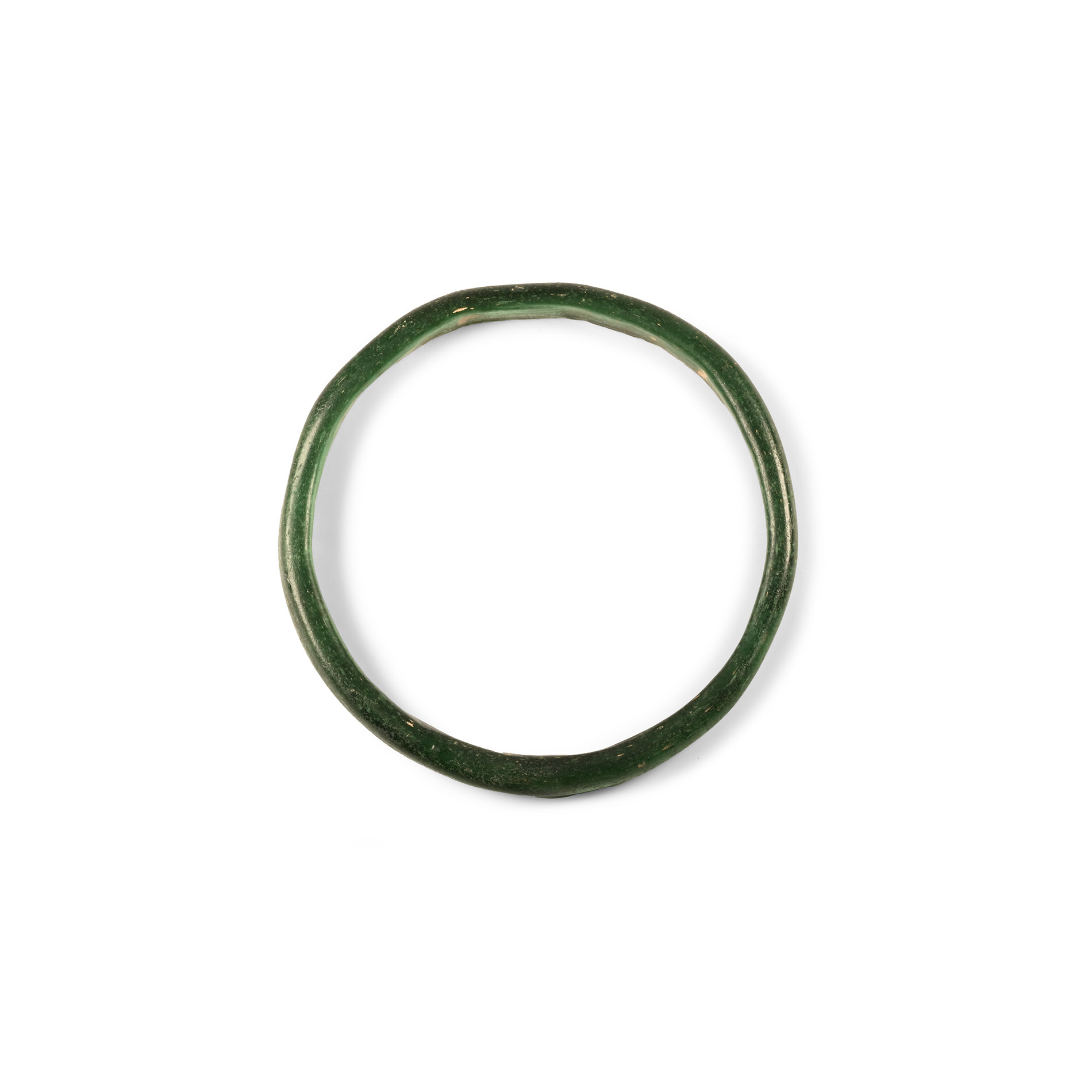
Roman Green Glass Bracelet
3RD-5TH CENTURY A.D.
2 1/2 in. (9.4 grams, 64 mm wide).
Composed of an annular hoop with convex outer face; held in a jewellery presentation box. [No Reserve]
ProvenanceFrom the private collection of the late Mr S.M., London, UK, thence by descent.
CONDITIONTimeLine Auctions follows a vetting process to ensure the authenticity and legality of all items, reinforcing our commitment to integrity and responsible trading. Each antiquity, antique, and coin lot undergoes thorough examination by a vetting committee of at least ten external specialists, professional trade association members, scientists, and archaeologists: Our Vetting Process
AUCTIONS:
TimeLine is a leading auction house specialising in antiquities, ancient art, collectables, natural history, coins, medals, and books. Our auctions offer museums, collectors, historians, and enthusiasts the opportunity to acquire unique and historically significant pieces.
-
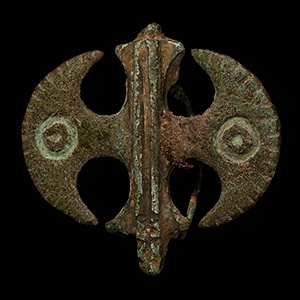
Roman Bronze Axe Brooch
3rd century A.D.Sold for (Inc. bp): £117
Plate brooch with raised vertical shaft and lateral crescent blades each with notched outer edge and incised ring-and-dot motif; catch and pin to the reverse. 9.2 grams, 37 mm
Ex Cambridgeshire, UK, collection, 1980s. -
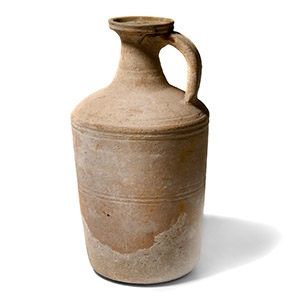
Roman Terracotta Vessel
1st-4th century A.D.Sold for (Inc. bp): £143
Of cylindrical form with gusseted rim and handle. 714 grams, 23 cm high
Acquired 1960s-1990s. Late Alison Barker collection, a retired London barrister. -
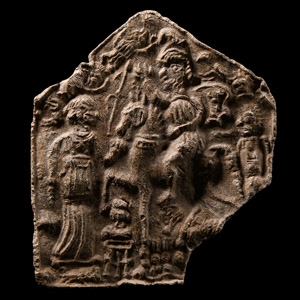
Roman Danubian Temple-Shaped Lead Plaque with Helen of Troy
3rd century A.D.Sold for (Inc. bp): £221
Displaying a figural scene in relief composed of a mounted rider (Dioscuros) advancing left towards the figure of Helen of Troy, in the upper register, the sun and the moon, behind the cavalryman a woman or image of Nike holding a crown upon his head. 74 grams, 90 mm
From the collection of a North American gentleman, formed in the 1990s.
The image of Sol Invictus assumed a great importance in the Danubian cult: the frequent representation of the celestial gods on the plaques is paralleled by their representation on monuments of other mystery cults, particularly the cult of Mithras. The image of a Dioscuros on horseback is linked to that of the Danubian rider.
