
Loading, please wait...
LOT 0929
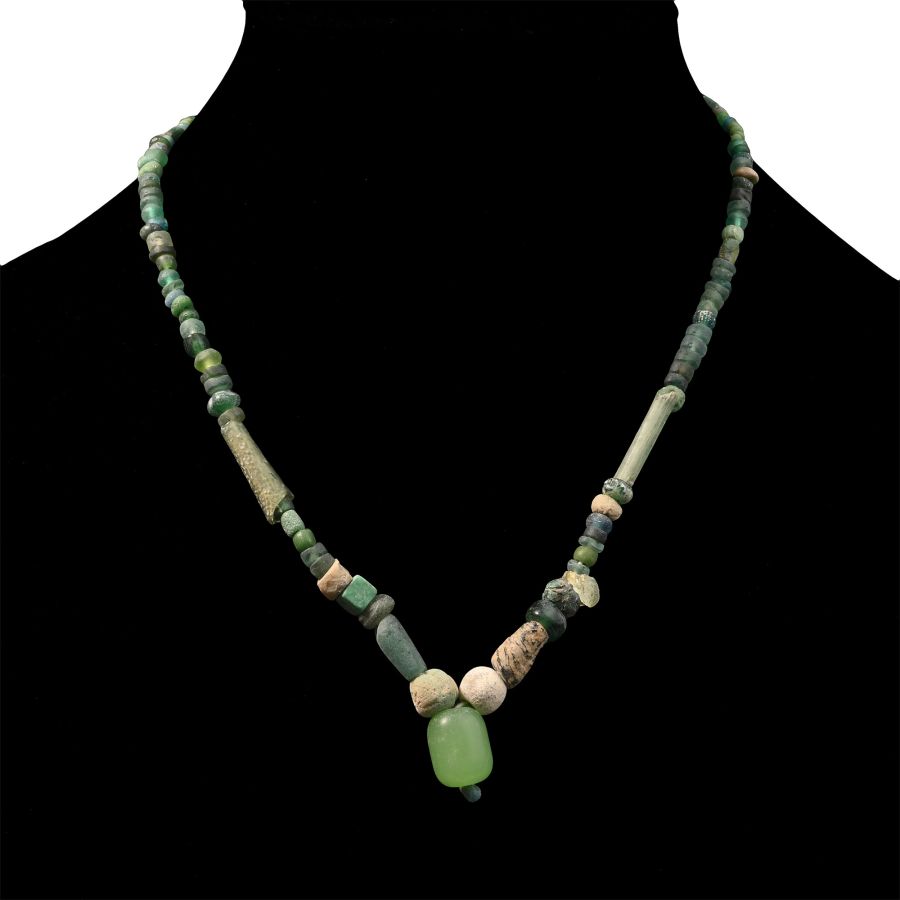
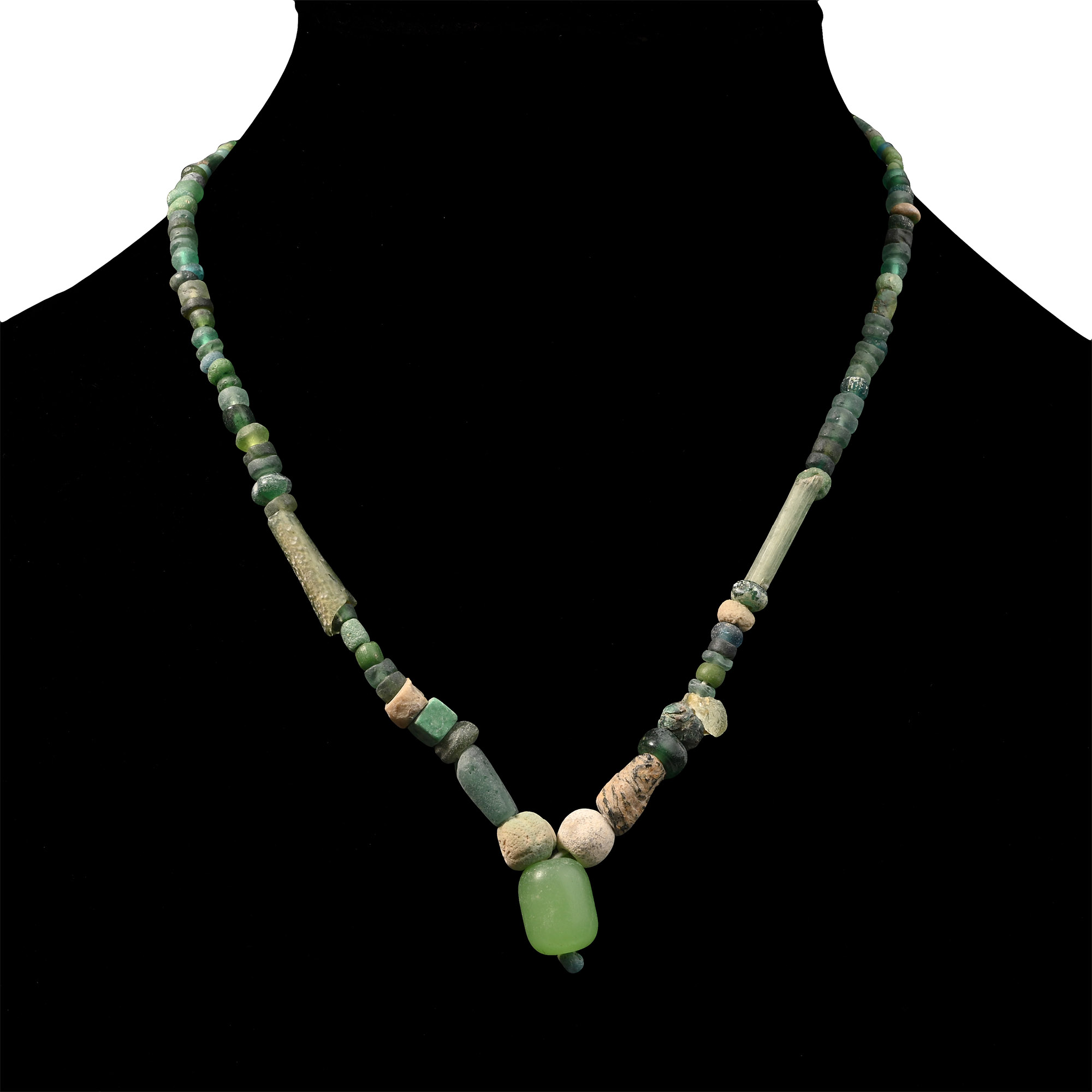
Roman Green Glass Bead Necklace String
1ST-4TH CENTURY A.D. AND LATER
14 1/2 in. (20.3 grams, 37 cm).
Restrung designer necklace string of tubular, oblate and other types with barrel-shaped pendant centrepiece. [No Reserve]
ProvenanceLondon, UK, collection, 2000s.
CONDITIONTimeLine Auctions follows a vetting process to ensure the authenticity and legality of all items, reinforcing our commitment to integrity and responsible trading. Each antiquity, antique, and coin lot undergoes thorough examination by a vetting committee of at least ten external specialists, professional trade association members, scientists, and archaeologists: Our Vetting Process
AUCTIONS:
TimeLine is a leading auction house specialising in antiquities, ancient art, collectables, natural history, coins, medals, and books. Our auctions offer museums, collectors, historians, and enthusiasts the opportunity to acquire unique and historically significant pieces.
-
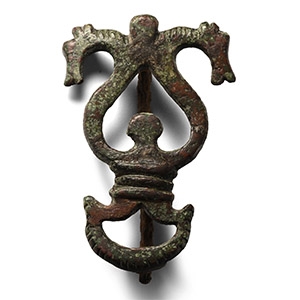
Roman Bronze Double Horse-Headed Brooch
2nd century A.D.Sold for (Inc. bp): £143
Skeuomorphic type with openwork crescent to the foot, transverse ribbed panel and two swept arms developing to addorsed horse-heads; ferrous pin and catch to the reverse. 6.95 grams, 42 mm
Ex DRG Coins and Antiquities, Bishops Stortford, Essex, UK. From the private collection of a West London, UK, gentleman, formed since the early 2000s. Accompanied by a handwritten dealer's ticket. -
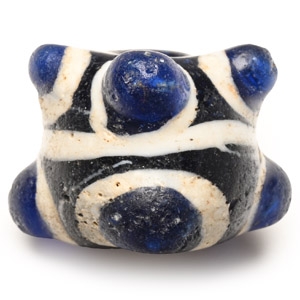
Roman Mosaic Glass Bead
1st-4th century A.D.Sold for (Inc. bp): £111
With applied trails and bosses. 4.12 grams, 18 mm
Acquired in London or Japan, early 1980s. Property of a London, UK, gentleman. -
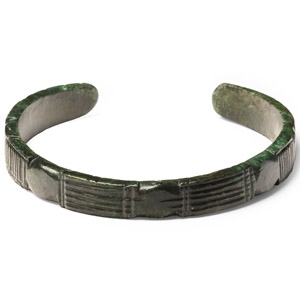
Roman Decorated Bronze Bracelet
2nd-4th century A.D.Sold for (Inc. bp): £111
Penannular body with rounded finials, segmented linear decoration on the upper face. 30.48 grams, 62 mm
From a private Tyneside collection, formed since the early 2000s.
