
Loading, please wait...
LOT 0064
Roman Gold Pendant with Onyx Cameo
2ND CENTURY A.D.
1 in. (4.03 grams, 26.90 mm).
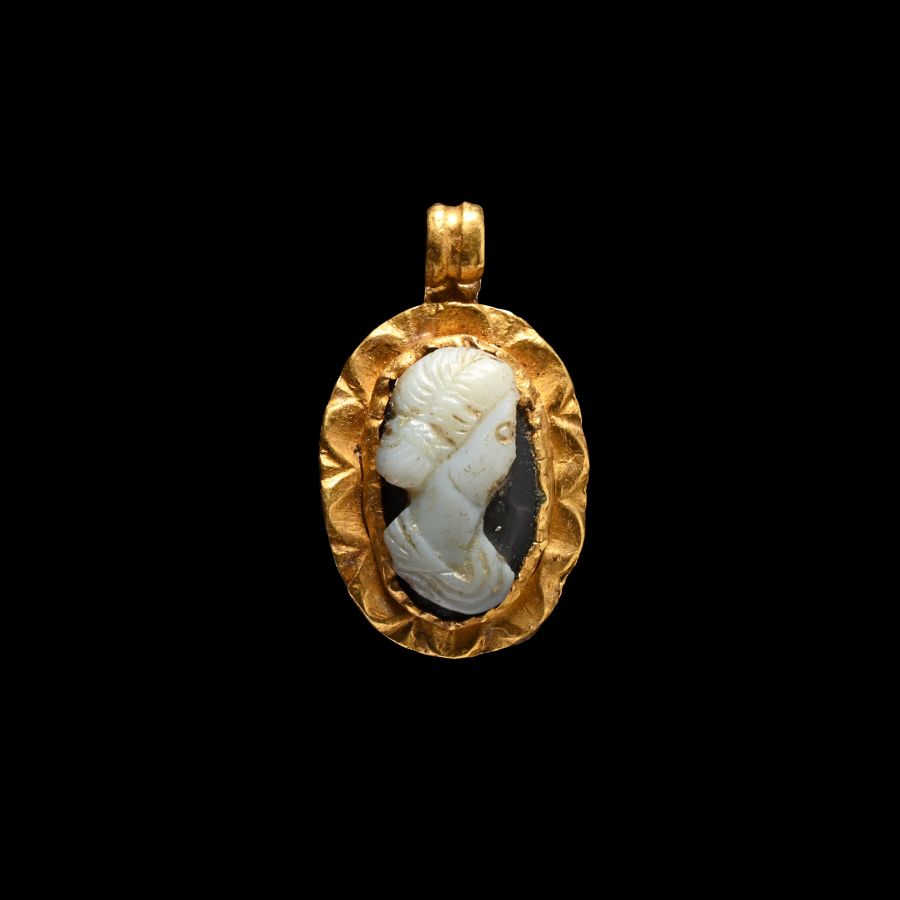
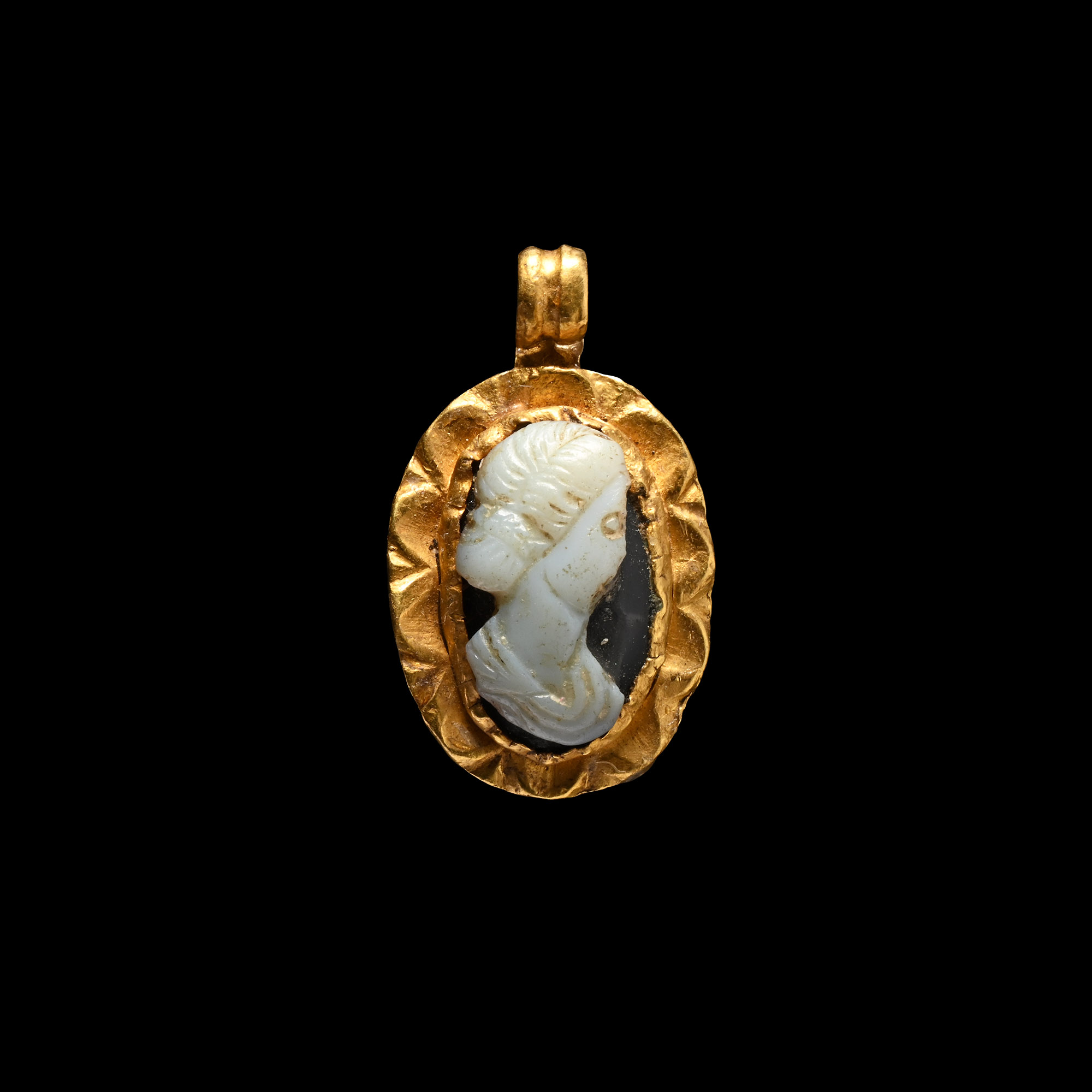
Comprising a gold medallion and high-relief onyx cameo with female bust in profile facing right, the lower half of her face absent; the jawline and long neck finely carved, hair gathered in a low bun, drapery of the dress framing her face below; set within a gold sleeve and framed by a delicate border with a petal motif; gold loop for suspension.
ProvenanceFrom the collection of a Cambridge lady, 1990s.
CONDITIONTimeLine Auctions follows a vetting process to ensure the authenticity and legality of all items, reinforcing our commitment to integrity and responsible trading. Each antiquity, antique, and coin lot undergoes thorough examination by a vetting committee of at least ten external specialists, professional trade association members, scientists, and archaeologists: Our Vetting Process
AUCTIONS:
TimeLine is a leading auction house specialising in antiquities, ancient art, collectables, natural history, coins, medals, and books. Our auctions offer museums, collectors, historians, and enthusiasts the opportunity to acquire unique and historically significant pieces.
LOT 0064
Roman Gold Pendant with Onyx Cameo
Estimate £1,500 - 2,000€1,740 - 2,320 (for guidance only)$2,030 - 2,700 (for guidance only)
-
Parthian Bronze Bowl
2nd century B.C.-1st century A.D.Estimate: £100 - 140 (+bp*)
Opening Bid: £50
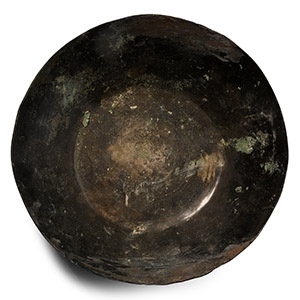
Broad and squat with flared sidewall. 153 grams, 17.5 cm
Ex 1990s collection and with a central London gallery. -
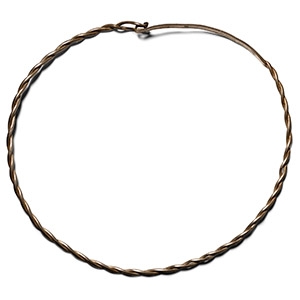
Thracian Decorated Silver Neck Torc
4th-3rd century B.C.Sold for (Inc. bp): £351
Formed from a round-section twisted rod forming a loop at one end, the other end hammered to a flat-section bar with a hooked end and punched pointillé decoration. 43 grams, 18 cm wide
Ex German art market, 2000s. Acquired from an EU collector living in London. From the collection of a Surrey, UK, gentleman. -
.jpg)
Greek Terracotta Fragment Group
4th century B.C. and laterSold for (Inc. bp): £52
Including a trumpet-shaped pot lid, D-section model animal and other items. 120 grams total, 39-73 mm
Acquired 1979-1999. London collection of the late Mr S.M., thence by descent.
