
Loading, please wait...
LOT 0108
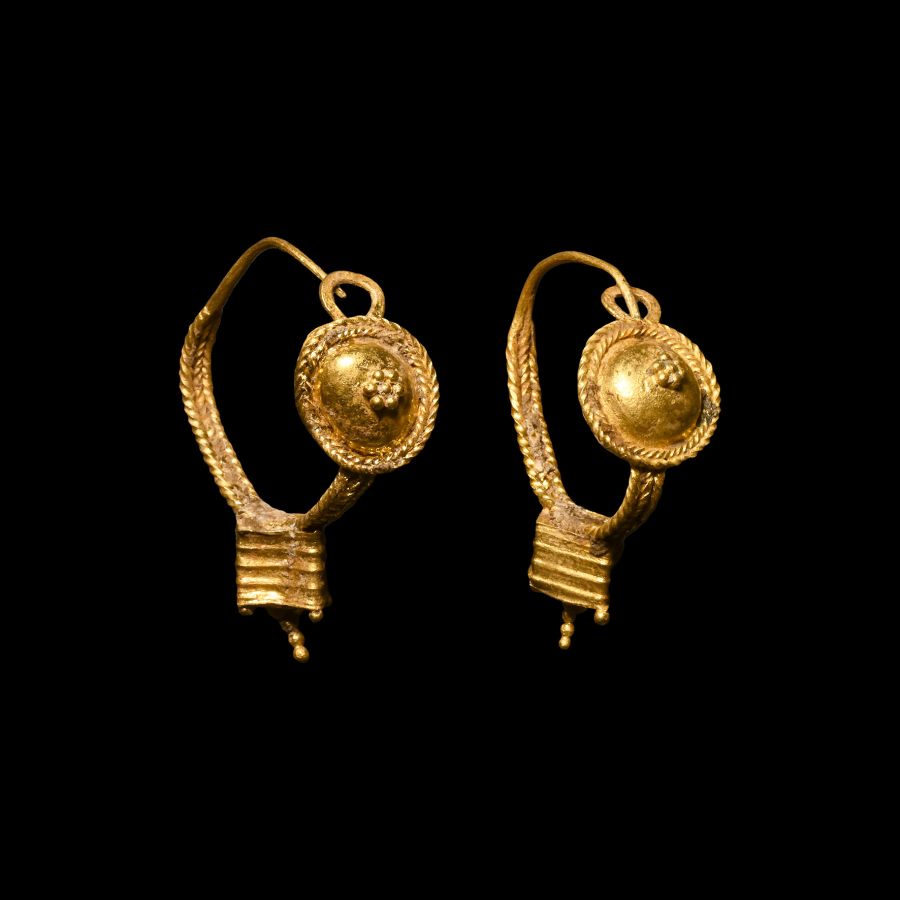
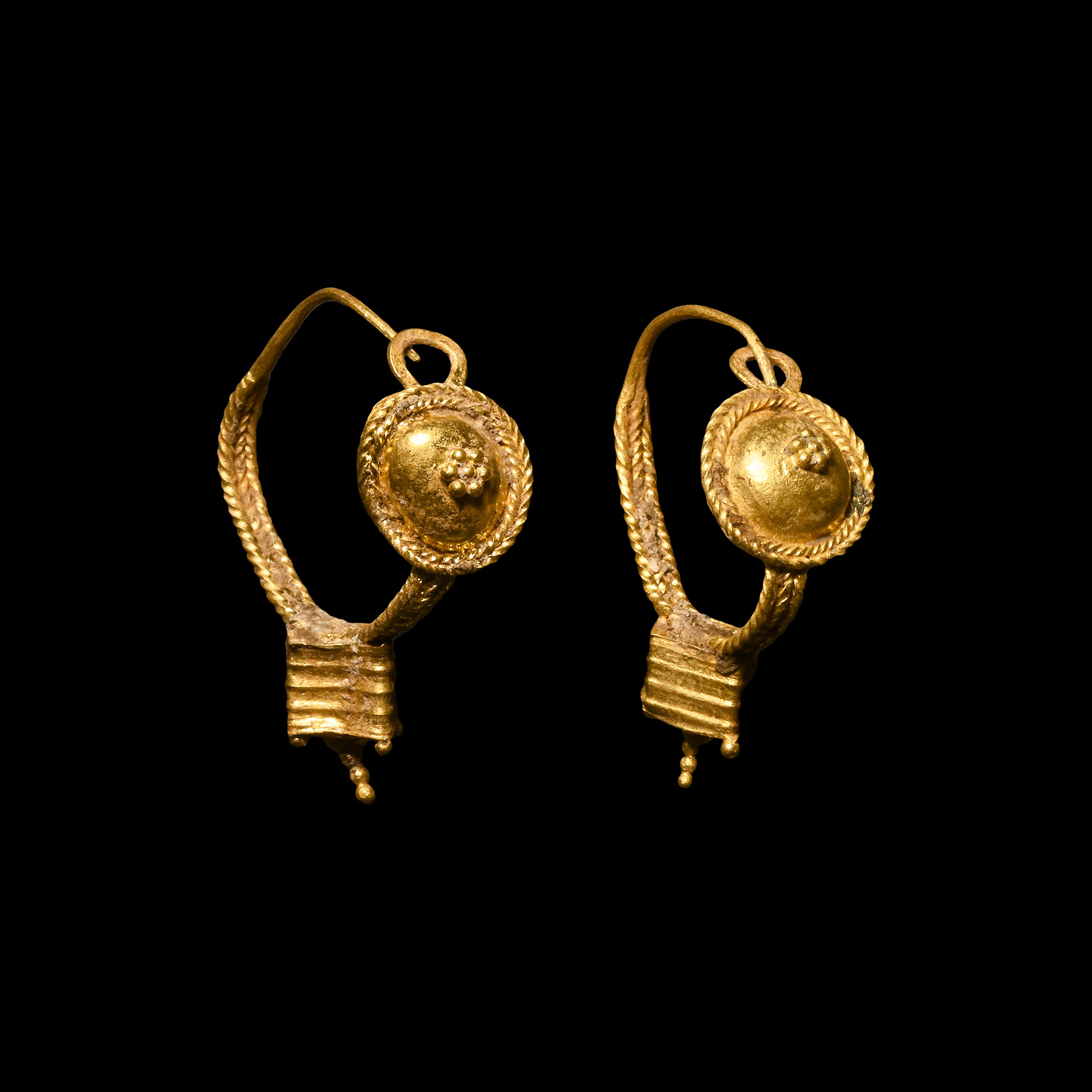
Roman Gold Earrings with Bosses
CIRCA 1ST-2ND CENTURY A.D.
1 1/8 - 1 1/4 in. (6.24 grams total, 28-31 mm).
Matched pair of gold earrings, each a wire hoop developing to three twisted strands with hook-and-eye closure, shield with central granule cluster and braided filigree to the rim; lozengiform fluted box below with granule detailing to the lower face. [2]
ProvenanceFrom a collection of a London lady, acquired during 1990s-2000s.
LiteratureCf. Marshall, F.H., Catalogue of the Jewellery, Greek, Etruscan and Roman, in the Department of Antiquities, British Museum, London, 1911, pl.LII, item 2377, for type.
CONDITIONTimeLine Auctions follows a vetting process to ensure the authenticity and legality of all items, reinforcing our commitment to integrity and responsible trading. Each antiquity, antique, and coin lot undergoes thorough examination by a vetting committee of at least ten external specialists, professional trade association members, scientists, and archaeologists: Our Vetting Process
AUCTIONS:
TimeLine is a leading auction house specialising in antiquities, ancient art, collectables, natural history, coins, medals, and books. Our auctions offer museums, collectors, historians, and enthusiasts the opportunity to acquire unique and historically significant pieces.
LOT 0108
Roman Gold Earrings with Bosses
Estimate £1,200 - 1,700€1,390 - 1,970 (for guidance only)$1,620 - 2,300 (for guidance only)
-
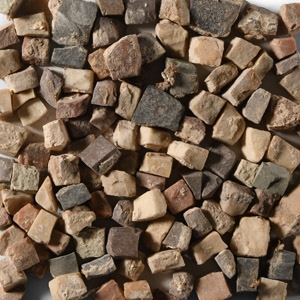
Roman Mosaic Stone Tesserae Group
1st-4th century A.D.Estimate: £120 - 170 (+bp*)
Opening Bid: £65
A mixed group of over hundred single tesserae of various colours and sizes. 76 grams total, 6-14 mm
Acquired 1980-2015. Ex Abelita family collection. -
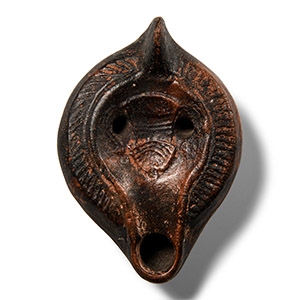
Roman Redware Oil Lamp with Amphora
Circa 4th-5th century A.D.Sold for (Inc. bp): £176
Squat piriform profile with hatched shoulders, raised amphora motif to the discus, stub nozzle, flange handle; 'V' maker's mark to underside; waxed and polished. 152 grams, 11.1 cm
From a collection acquired on the UK art market from various auction houses and collections mostly before 2000. From an important Cambridgeshire estate; thence by descent. -
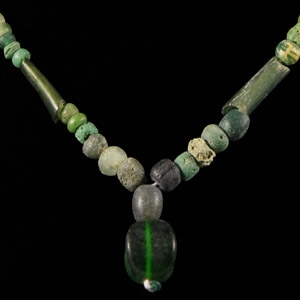
Roman Green Glass Bead Necklace String
1st century A.D. and laterSold for (Inc. bp): £91
Graduated group of tubular, annular and other beads with later lampwork bead centrepiece. 16.8 grams, 38 cm long
Acquired 1980-2015. Ex Abelita family collection.
