
Loading, please wait...
LOT 0105
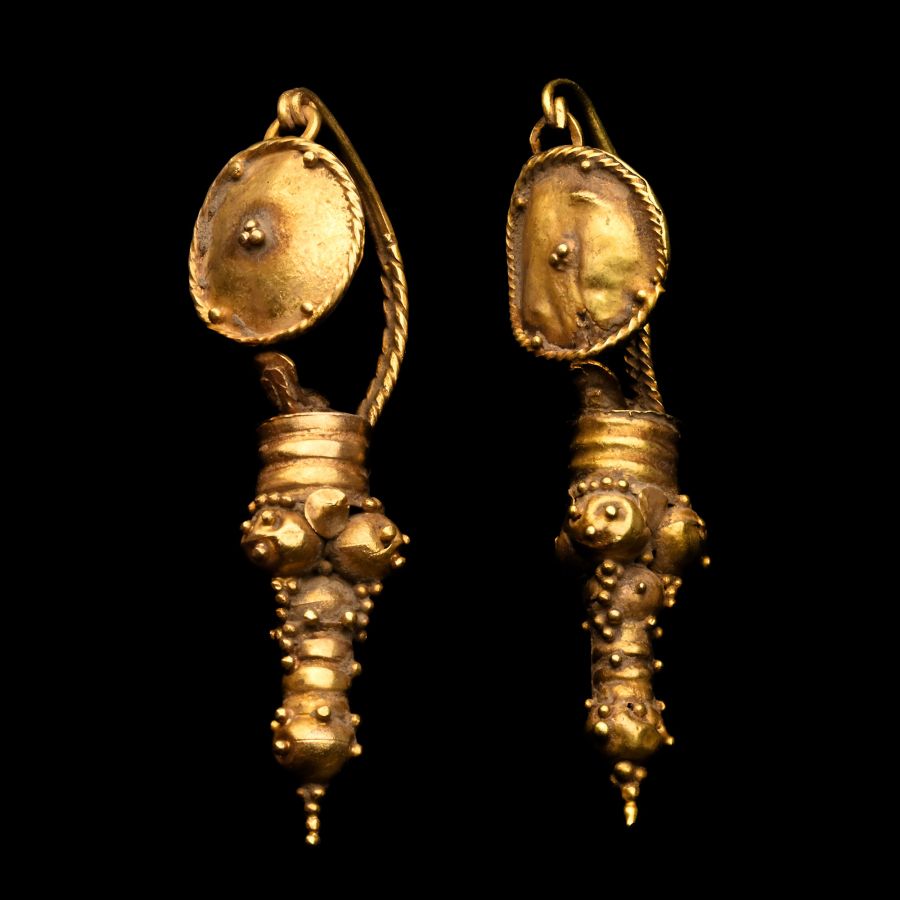
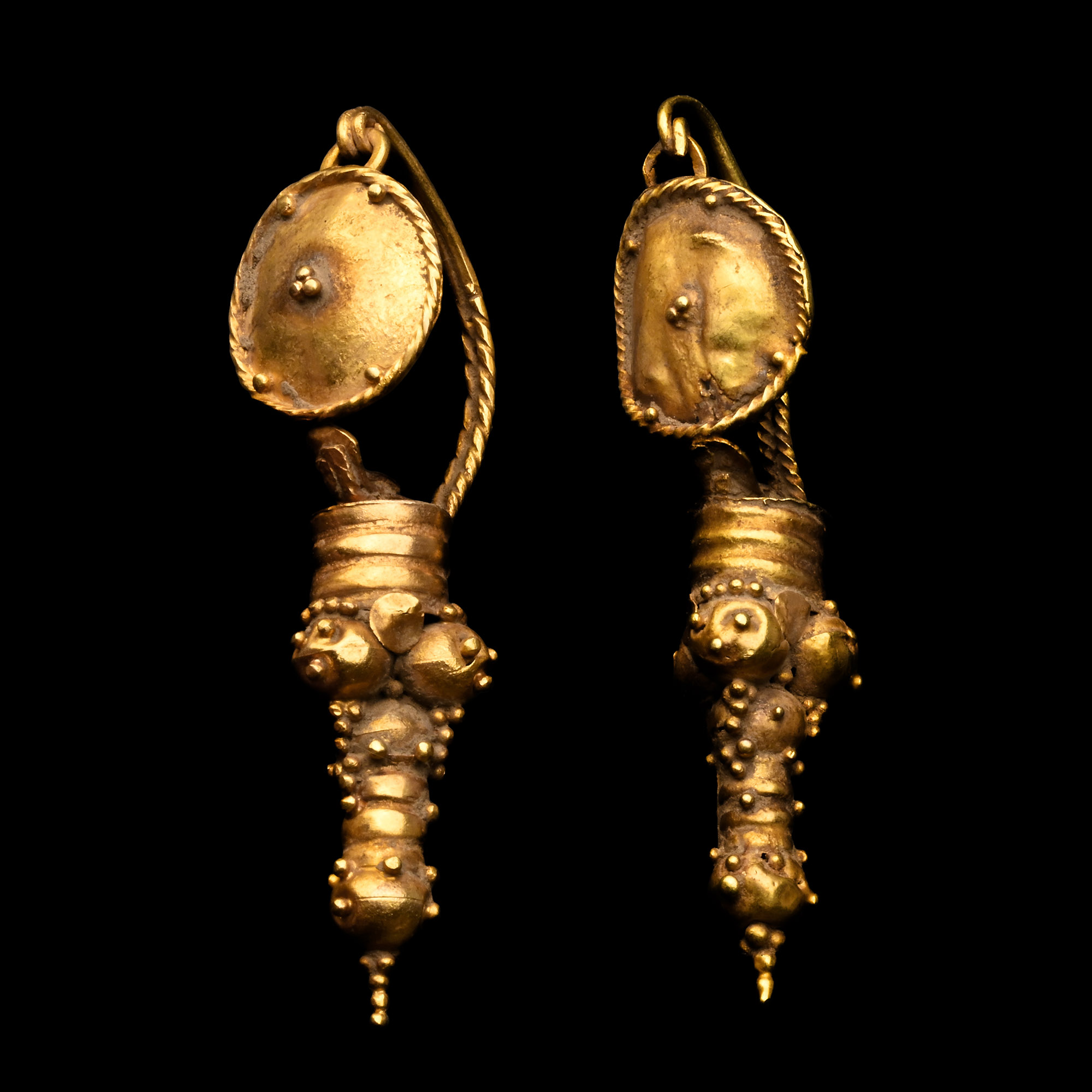
Roman Gold Earring with Matched Copy
2ND-3RD CENTURY A.D. AND LATER
1 3/4 in. (7.25 grams total, 46 mm).
Featuring a large central boss with and pendant decorated with fine granulation; discus decorated with a central cluster of granulation with four simple granules to the edges; boss framed with gentle ropework around the edges; hanging pendants with a cylindrical bead, and cluster of granulated hollow spheres; with another reproduction earring to make a pair. [2]
ProvenanceEx collection of a deceased Japanese gentleman, 1970-2010.
LiteratureSee Marshall, F.H., Catalogue of the Jewellery, Greek, Etruscan and Roman, in the Department of Antiquities, British Museum, London, 1911.
CONDITIONTimeLine Auctions follows a vetting process to ensure the authenticity and legality of all items, reinforcing our commitment to integrity and responsible trading. Each antiquity, antique, and coin lot undergoes thorough examination by a vetting committee of at least ten external specialists, professional trade association members, scientists, and archaeologists: Our Vetting Process
AUCTIONS:
TimeLine is a leading auction house specialising in antiquities, ancient art, collectables, natural history, coins, medals, and books. Our auctions offer museums, collectors, historians, and enthusiasts the opportunity to acquire unique and historically significant pieces.
LOT 0105
Roman Gold Earring with Matched Copy
Estimate £1,000 - 1,400€1,160 - 1,620 (for guidance only)$1,350 - 1,890 (for guidance only)
-
.jpg)
Roman Blue Glass Bead Necklace String
1st-4th century A.D. and laterSold for (Inc. bp): £52
Restrung designer necklace string of mainly oblate beads strung to a Y-shape. 11.3 grams, 37 cm
Ex London, UK, collection, 1990s. -
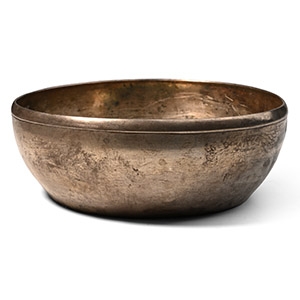
Roman or Gandharan Silver Flat-Bottom Bowl
Circa late 1st century B.C.-early 1st century A.D.Estimate: £1,500 - 2,000 (+bp*)
Opening Bid: £750
Squat in profile with a gently domed base, curved sidewall with carination below the rim. 244 grams, 17 cm
Acquired from a private UK collection prior to 1979. Ex Julian Sherrier collection, a leading figure in Gandharan art. with Christie's, New York, sale 2337, 14th September 2010, no.51 (part). Accompanied by the original Christie's lot ticket and bar code label. -
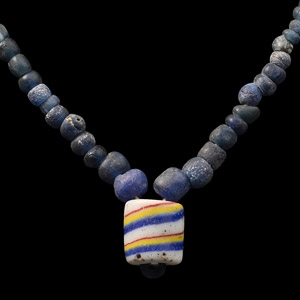
Roman Blue Glass Bead Necklace String
1st-4th century A.D. and laterSold for (Inc. bp): £39
Restrung designer necklace string of tubular, oblate and other types with a modern Indian polychrome centrepiece. 20.38 grams, 43 cm
London, UK, collection, 2000s.
