
Loading, please wait...
LOT 0869
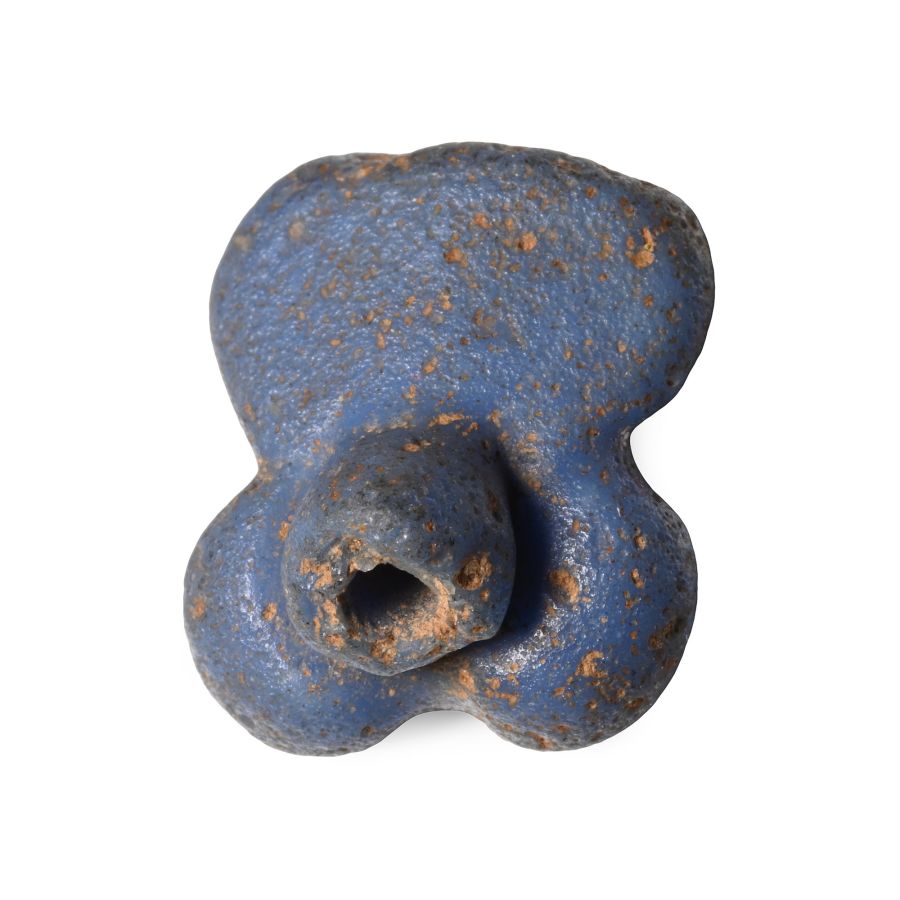
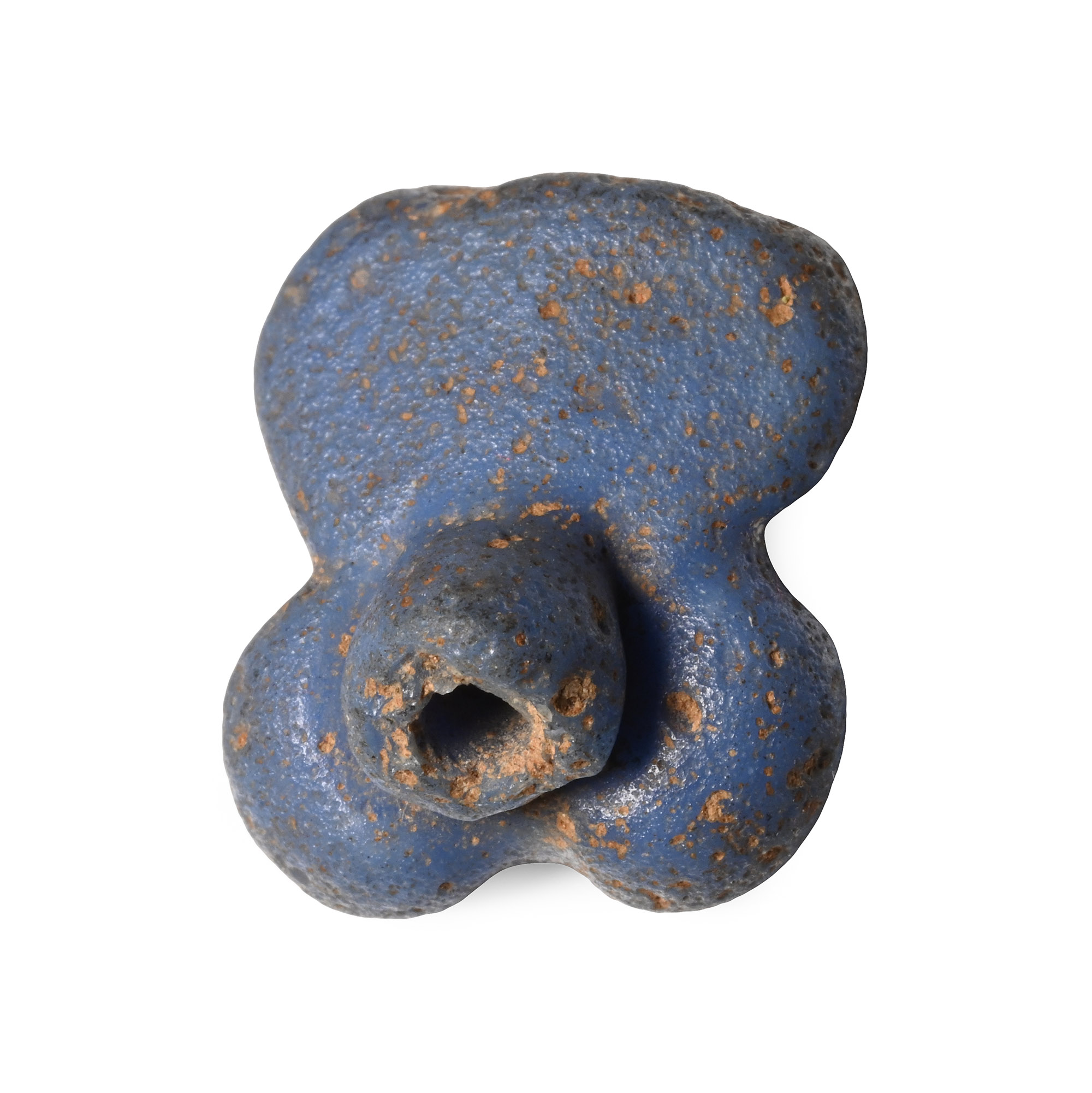
Roman Glass Phallic Mount
2ND CENTURY A.D. OR LATER
5/8 in. (2.78 grams, 18 mm).
Modelled in the round, pierced diagonally through the penis. [No Reserve]
ProvenancePrivate collection, London.
This lot is accompanied by an illustrated lot declaration signed by the Head of the Antiquities Department, Dr Raffaele D'Amato.
TimeLine Auctions follows a vetting process to ensure the authenticity and legality of all items, reinforcing our commitment to integrity and responsible trading. Each antiquity, antique, and coin lot undergoes thorough examination by a vetting committee of at least ten external specialists, professional trade association members, scientists, and archaeologists: Our Vetting Process
AUCTIONS:
TimeLine is a leading auction house specialising in antiquities, ancient art, collectables, natural history, coins, medals, and books. Our auctions offer museums, collectors, historians, and enthusiasts the opportunity to acquire unique and historically significant pieces.
-
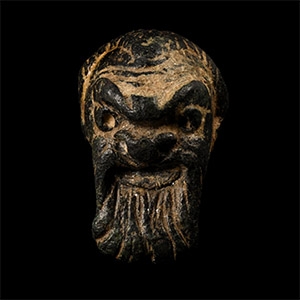
Roman Bronze Appliqué in the Shape of an Actor's Mask
1st century A.D.Sold for (Inc. bp): £208
Modelled in the half-round, with grotesque facial features and scooped crescentic mouth, segmented beard; ferrous stud to reverse. 27.2 grams, 30 mm
Acquired in the mid 1980s-1990s. Private collection, Switzerland, thence by descent. Private collection, since the late 1990s. This lot is accompanied by an illustrated lot declaration signed by the Head of the Antiquities Department, Dr Raffaele D'Amato. -
.jpg)
Roman Bronze Jupiter Dolichenus Eagle on the Head of a Stag
2nd century A.D.Sold for (Inc. bp): £1,690
The eagle modelled in the round standing on top of a large head of a stag with curving antlers touching the bird's wings, the eagle with its legs held apart and its long talons spread across the head, the wings slightly raised and the head turned to the right whilst gazing down towards the stag; detailed plumage; accompanied by a custom-made display stand. 544 grams, 97 mm (621 grams total, 15 cm high including stand)
Acquired in 1997 from a Canadian dealership. From a North American gentleman's collection. This lot has been cleared against the Art Loss Register database, and is accompanied by an illustrated lot declaration signed by the Head of the Antiquities Department, Dr Raffaele D'Amato.
The motif of an eagle and a stag or a deer is typically associated with the God Jupiter/Zeus Dolichenus and his wife Juno Dolichena, name derived from his sanctuary in Doliche, Anatolia. Jupiter Dolichenus was a soldier god, usually portrayed wearing full military attire and standing on a bull, while his consort would have been shown standing on a deer or stag. -
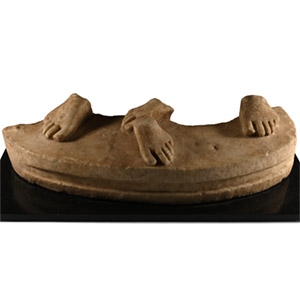
Roman Marble Statue Base with Feet
1st century A.D.Sold for (Inc. bp): £2,600
Fragment of an elliptical base for a statuary group, with gusset to the forward edge; upper face with two pairs of bare human feet modelled in the half-round, with the left foot of the right pair placed before the right foot of the other pair, suggesting a family group (e.g. parents with baby in their arms) standing very close to each other; mounted on a custom-made stand. 6.2 kg total, 38.5 cm including stand
Pierre Sciclounoff collection, acquired in 1970. Byron Zoumboulakis collection, acquired in 1986. Accompanied by a copy of an Art Loss Register certificate, dated 11 August 2004. This lot has been checked against the Interpol Database of stolen works of art and is accompanied by a search certificate number no.12673-234639. This lot has been cleared against the Art Loss Register database, and is accompanied by an illustrated lot declaration signed by the Head of the Antiquities Department, Dr Raffaele D'Amato.
Pierre Sciclounoff was a noted 20th century collector with a particular interest in classical and Near Eastern antiquities. His collection was widely regarded for its scholarly depth and was formed during a period of active collecting in Europe during the post-war decades. Byron Zoumboulakis, a prominent Greek collector and art dealer, is known for his extensive contributions to the art world through the Zoumboulakis Galleries in Athens, established by his family. His collection spans antiquities, modern, and contemporary art, and he has played a key role in promoting cultural heritage in Greece.
