
Loading, please wait...
LOT 0892
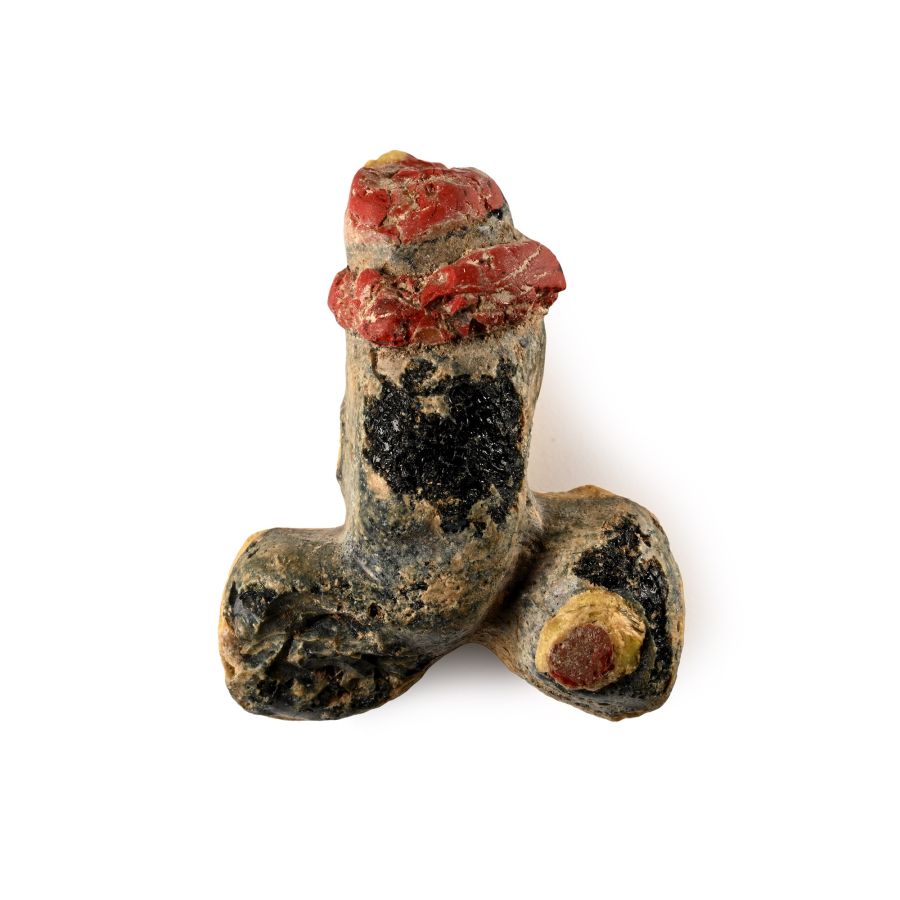
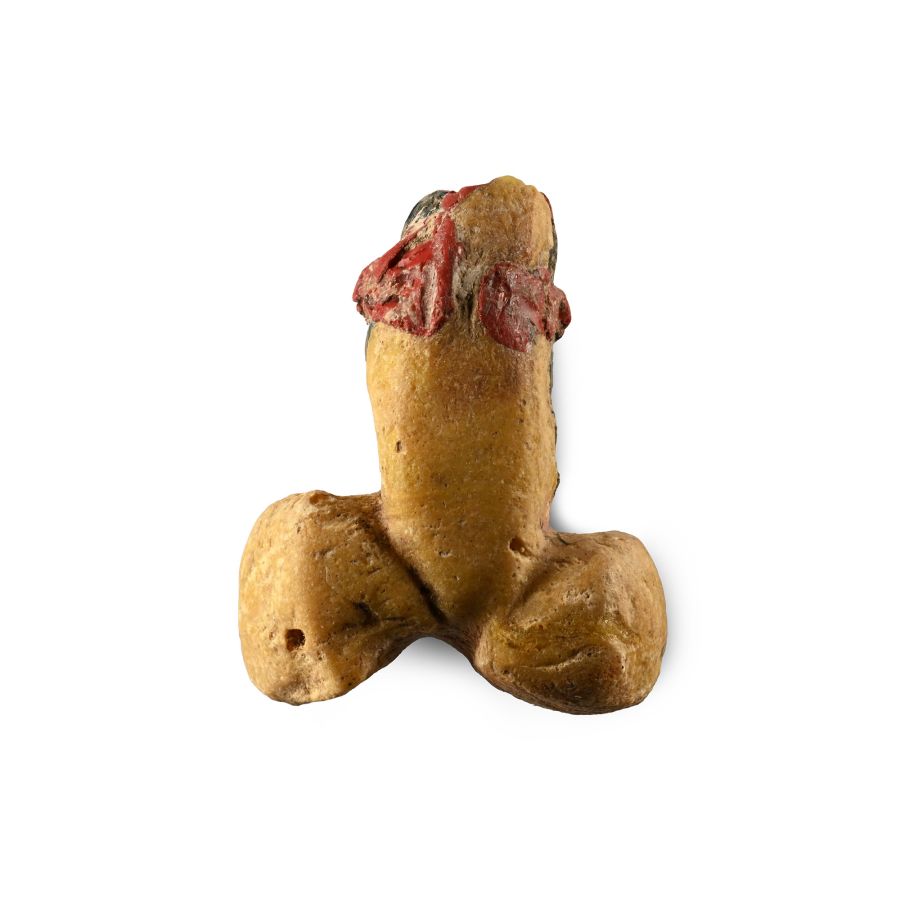
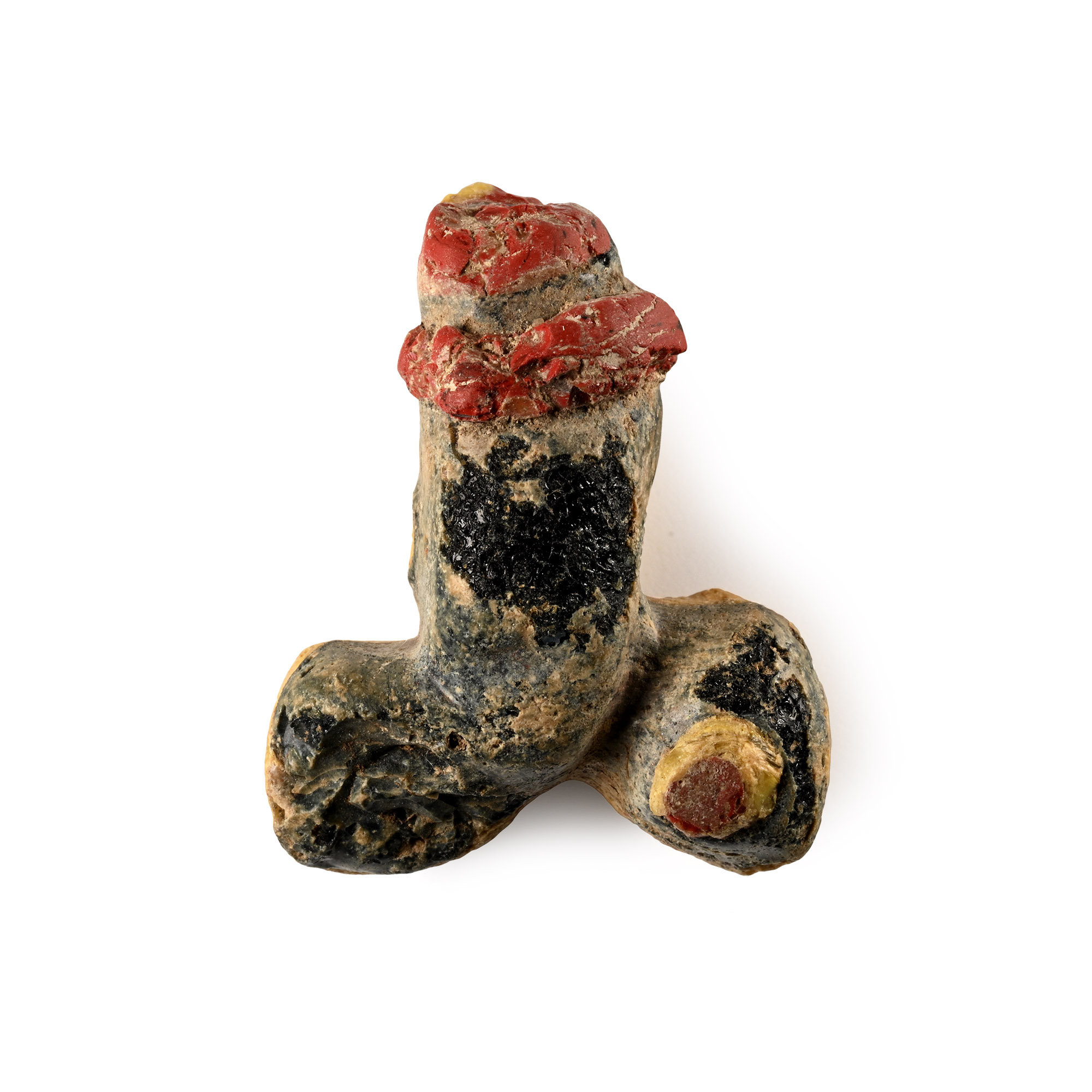
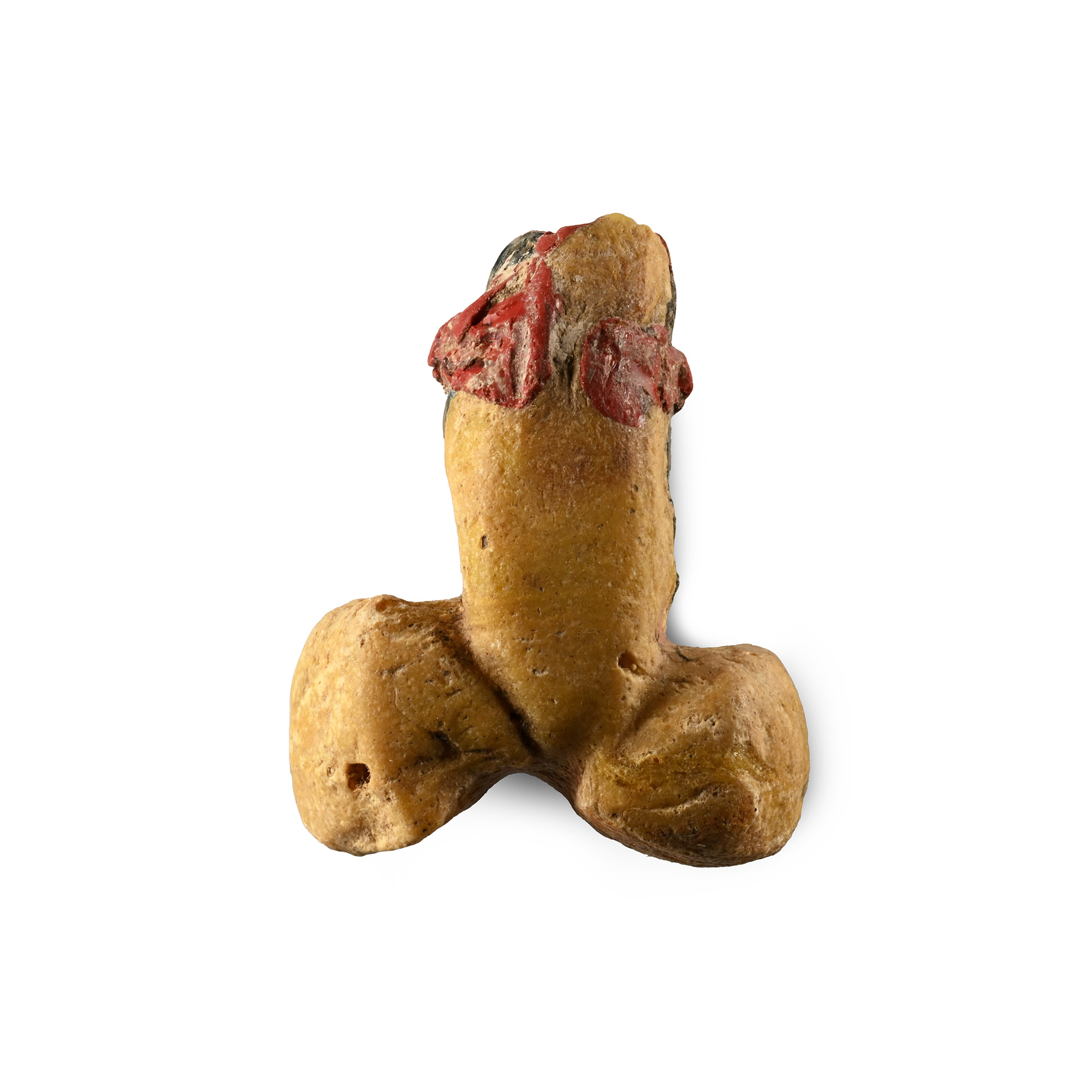
Roman Glass Phallic Amulet
1ST CENTURY B.C.-1ST CENTURY A.D.
1 1/4 in. (11.4 grams, 32 mm).
Modelled in the round with applied red-glass collar, pierced through the shaft for suspension.
ProvenanceAcquired in the mid 1980s-1990s.
Private collection, Switzerland, thence by descent.
Private collection, since the late 1990s.
This lot is accompanied by an illustrated lot declaration signed by the Head of the Antiquities Department, Dr Raffaele D'Amato.
TimeLine Auctions follows a vetting process to ensure the authenticity and legality of all items, reinforcing our commitment to integrity and responsible trading. Each antiquity, antique, and coin lot undergoes thorough examination by a vetting committee of at least ten external specialists, professional trade association members, scientists, and archaeologists: Our Vetting Process
AUCTIONS:
TimeLine is a leading auction house specialising in antiquities, ancient art, collectables, natural history, coins, medals, and books. Our auctions offer museums, collectors, historians, and enthusiasts the opportunity to acquire unique and historically significant pieces.
LOT 0892
Roman Glass Phallic Amulet
Estimate £1,000 - 1,400€1,160 - 1,620 (for guidance only)$1,350 - 1,890 (for guidance only)
-
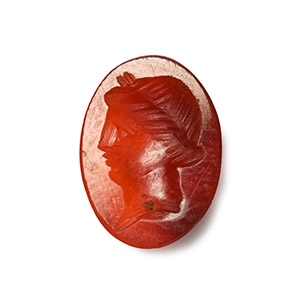
Roman Carnelian Gemstone with Female Portrait
1st-2nd century A.D.Estimate: £200 - 300 (+bp*)
Opening Bid: £100
Ellipsoid in plan with intaglio profile portrait bust of a female with hair in a chignon. 0.22 grams, 9 mm
Acquired on the German art market, 1989-1995. with The Museum Gallery, 19 Bury Place, London, WC1, UK, 1998-2003. Property of a London based academic, 2003 to present. This lot is accompanied by an illustrated lot declaration signed by the Head of the Antiquities Department, Dr Raffaele D'Amato. -
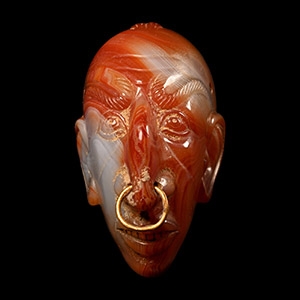
Roman Agate Head of a Grotesque
1st-2nd century A.D.Sold for (Inc. bp): £3,640
Carved in the round with carinated profile, grotesque head with pierced nose furnished with a small gold ring; later added nose piercing. 41.5 grams, 44 mm
From the 'S' collection, acquired 1970-1990s. The collection was seen and studied by W.G. Lambert, late Professor of Assyriology at the University of Birmingham, 1970-1993. This lot has been cleared against the Art Loss Register database, and is accompanied by an illustrated lot declaration signed by the Head of the Antiquities Department, Dr Raffaele D'Amato. -
.jpg)
Roman Gold and Garnet and Chrysoprase Gemstone Necklace
2nd-3rd century A.D.Sold for (Inc. bp): £1,820
Comprising plano-convex lentoid beads alternating with gold cells with cabochon garnet inserts; hook-and-eye closure. 23.73 grams, 52 cm
Acquired from Notaras Coins & Antiquities, Suffolk, UK, before 2000. Property of a Bedfordshire, UK, private collector. Accompanied by an illustrated collector's identification tag. This lot has been checked against the Interpol Database of stolen works of art and is accompanied by search certificate no.12486 -229850. This lot has been cleared against the Art Loss Register database, and is accompanied by an illustrated lot declaration signed by the Head of the Antiquities Department, Dr Raffaele D'Amato.
