
Loading, please wait...
LOT 0579
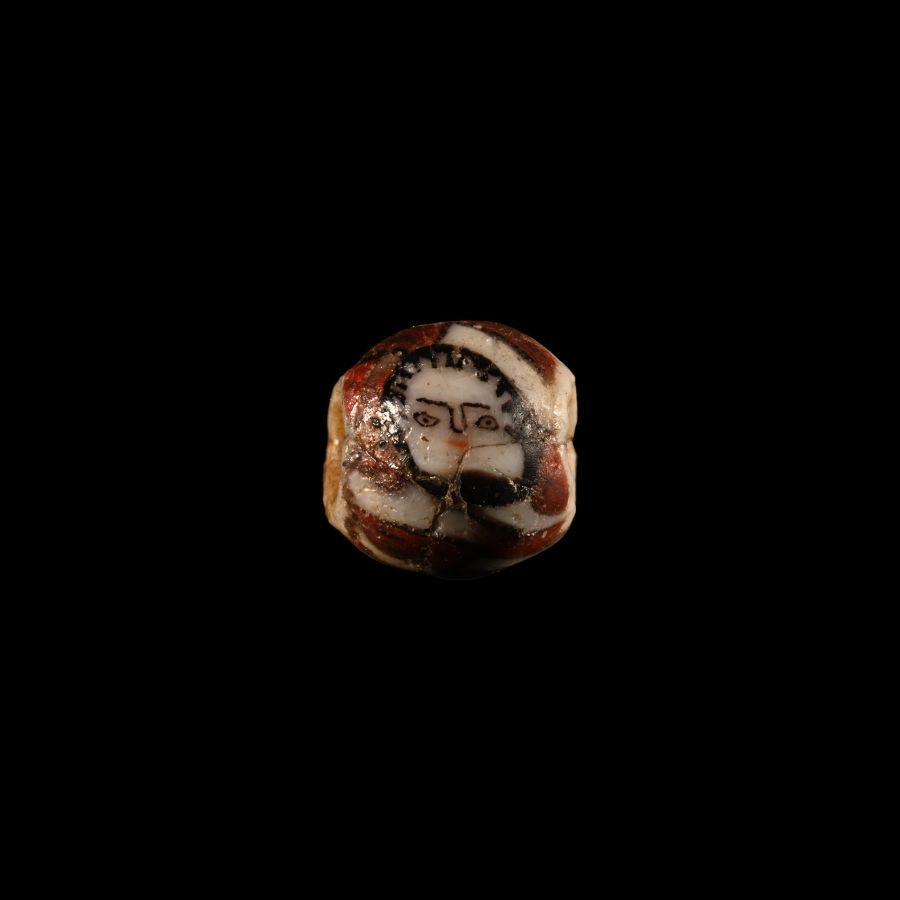
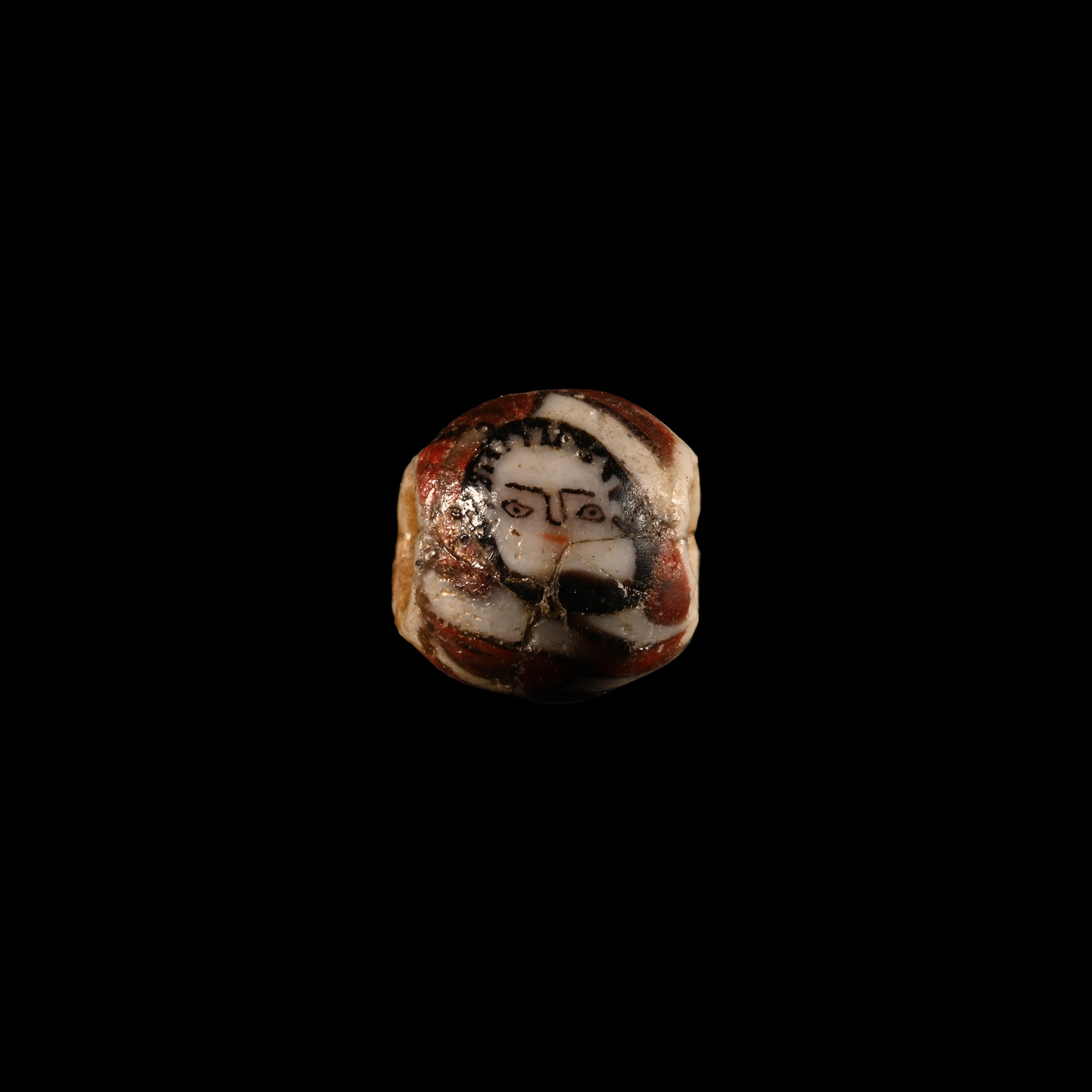
Roman Glass Face Bead
1ST CENTURY B.C.-1ST CENTURY A.D.
3/8 in. (1.34 grams, 10 mm).
Of roughly spherical form, opaque polychrome checked design incorporating two stylised human faces. [No Reserve]
ProvenanceEx private collection, 1980s.
Acquired on the UK art market in the 1990s.
Cf. The Metropolitan Museum, New York, accession number 52.11.15, for type.
CONDITIONTimeLine Auctions follows a vetting process to ensure the authenticity and legality of all items, reinforcing our commitment to integrity and responsible trading. Each antiquity, antique, and coin lot undergoes thorough examination by a vetting committee of at least ten external specialists, professional trade association members, scientists, and archaeologists: Our Vetting Process
AUCTIONS:
TimeLine is a leading auction house specialising in antiquities, ancient art, collectables, natural history, coins, medals, and books. Our auctions offer museums, collectors, historians, and enthusiasts the opportunity to acquire unique and historically significant pieces.
-
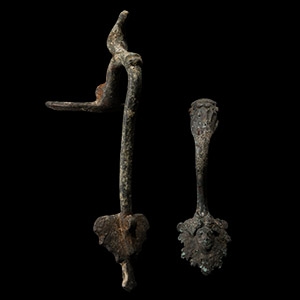
Roman Bronze Tankard Handle Group
Circa 2nd-4th century A.D.Sold for (Inc. bp): £59
Comprising two differently sized handles: one featuring a leaf plaque to base with head of Bacchus(?) in relief, fluting and a second head to the top; one with a leaf plaque to base and swan head in relief, collars and thumb pad to top. 605 grams total, 16-24 cm
Acquired 1990s-early 2000s. East Anglian private collection. -
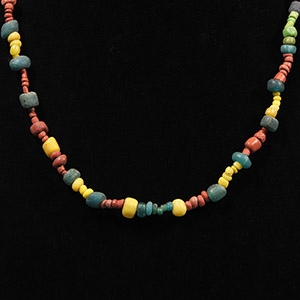
Roman Glass and Other Mixed Bead Group
Circa 1st century A.D. or laterSold for (Inc. bp): £46
A restrung group of glass beads of various types and colours, including reds, greens, blues and yellows. 30.5 grams, 56 cm long
Fine condition.
Acquired 1980-2015. Ex Abelita family collection. -
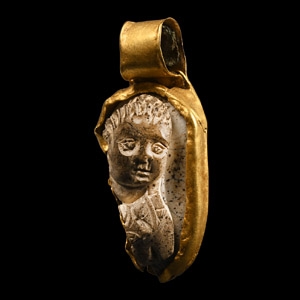
Roman Gold Pendant with Cameo
Circa 1st-2nd century A.D.Estimate: £600 - 800 (+bp*)
Opening Bid: £240
Suspension loop to one edge, the stone cameo fragment portraying a young boy. 3.84 grams, 30 mm
Acquired 1990s-early 2000s. East Anglian private collection.
