
Loading, please wait...
LOT 0762
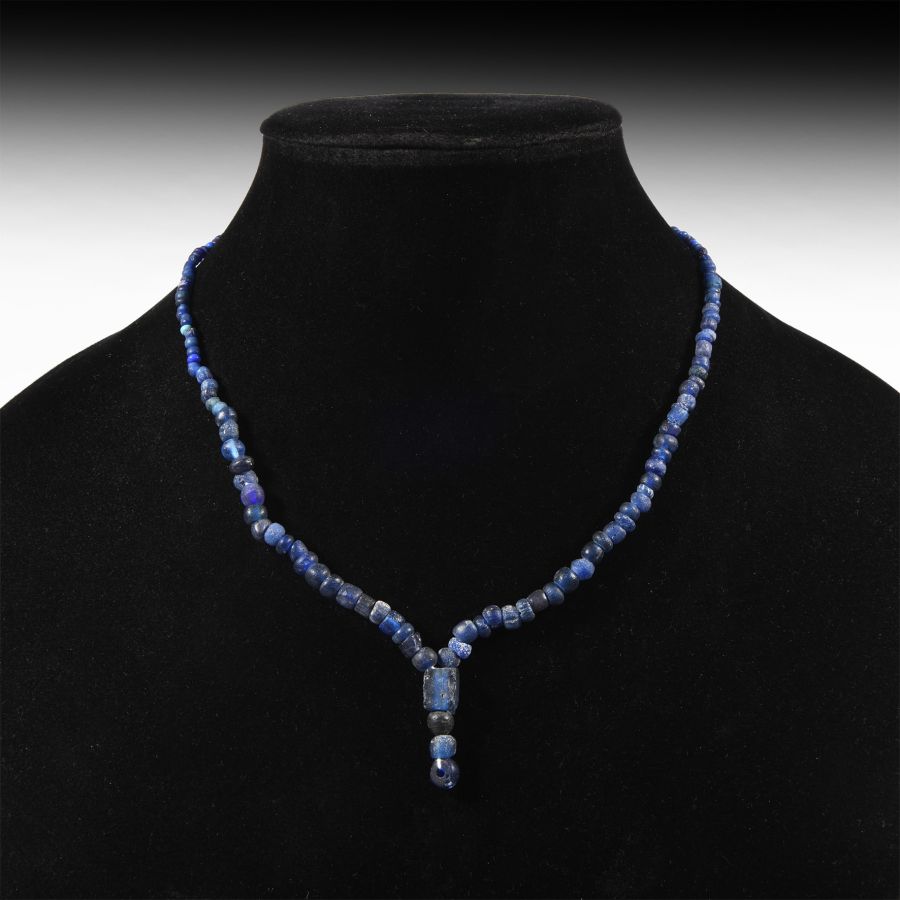
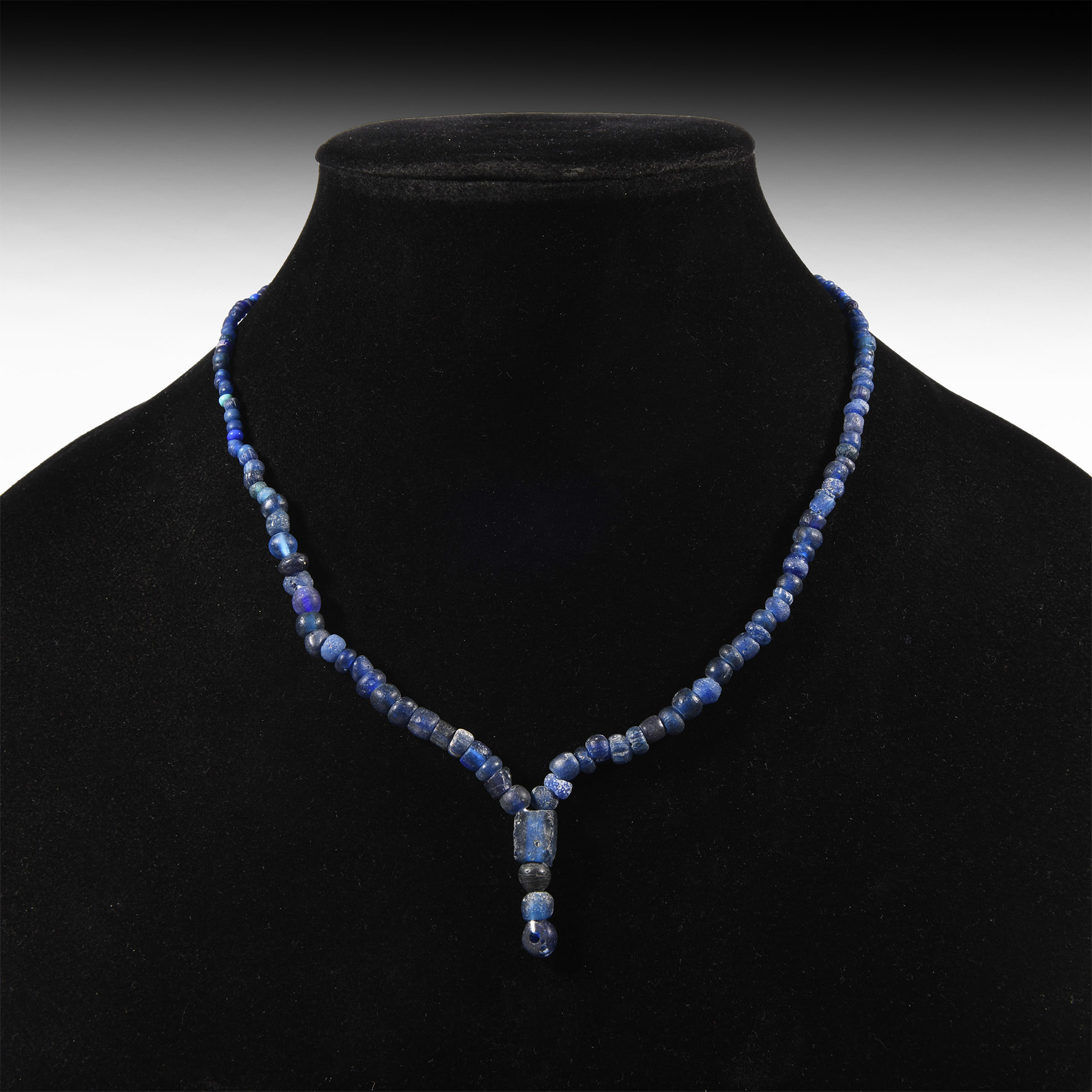
Roman Glass Bead Necklace
2ND-5TH CENTURY A.D. OR LATER
27 1/2 in. (13.1 grams, 70 cm long).
Composed of graduated glass beads of various shades of blue and type of bead, including carinated, oblate, coin-shaped and cuboid example, together with other types; restrung. [No Reserve]
ProvenanceEx W.J.
collection, 1990s.
TimeLine Auctions follows a vetting process to ensure the authenticity and legality of all items, reinforcing our commitment to integrity and responsible trading. Each antiquity, antique, and coin lot undergoes thorough examination by a vetting committee of at least ten external specialists, professional trade association members, scientists, and archaeologists: Our Vetting Process
AUCTIONS:
TimeLine is a leading auction house specialising in antiquities, ancient art, collectables, natural history, coins, medals, and books. Our auctions offer museums, collectors, historians, and enthusiasts the opportunity to acquire unique and historically significant pieces.
-
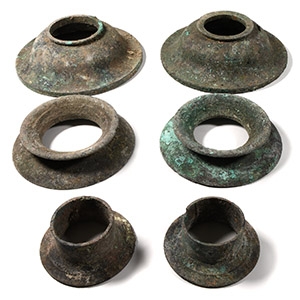
Roman Bronze Chariot Wheel Hub Group
1st-4th century A.D.Sold for (Inc. bp): £156
Comprising three pairs of fittings of different types. 1.58 kg total, 7-13.6 cm
Acquired 1990s-early 2000s. East Anglian private collection. -
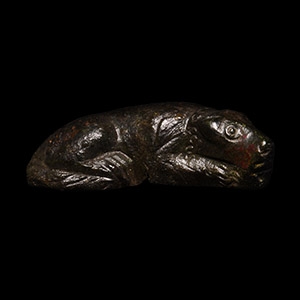
Roman Bronze Sleeping Dog Statuette
3rd-4th century A.D.Sold for (Inc. bp): £130
Modelled in the round at rest with its head on its front paws and wearing a collar, stylised coat and facial detailing; hollow-formed. 18.5 grams, 46 mm
Found Lincolnshire, 1981. -
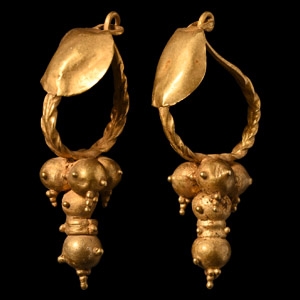
Roman Gold Boss Earrings
2nd-3rd century A.D.Sold for (Inc. bp): £650
Each composed of a central slender hoop flanked by a single strand of decoratively twisted filigree wire, domed plaque to upper body, granulated bulbs below. 3.84 grams total, 33 mm each
From the private collection of the late Mr S.M., London, UK, thence by descent.
