
Loading, please wait...
LOT 0773
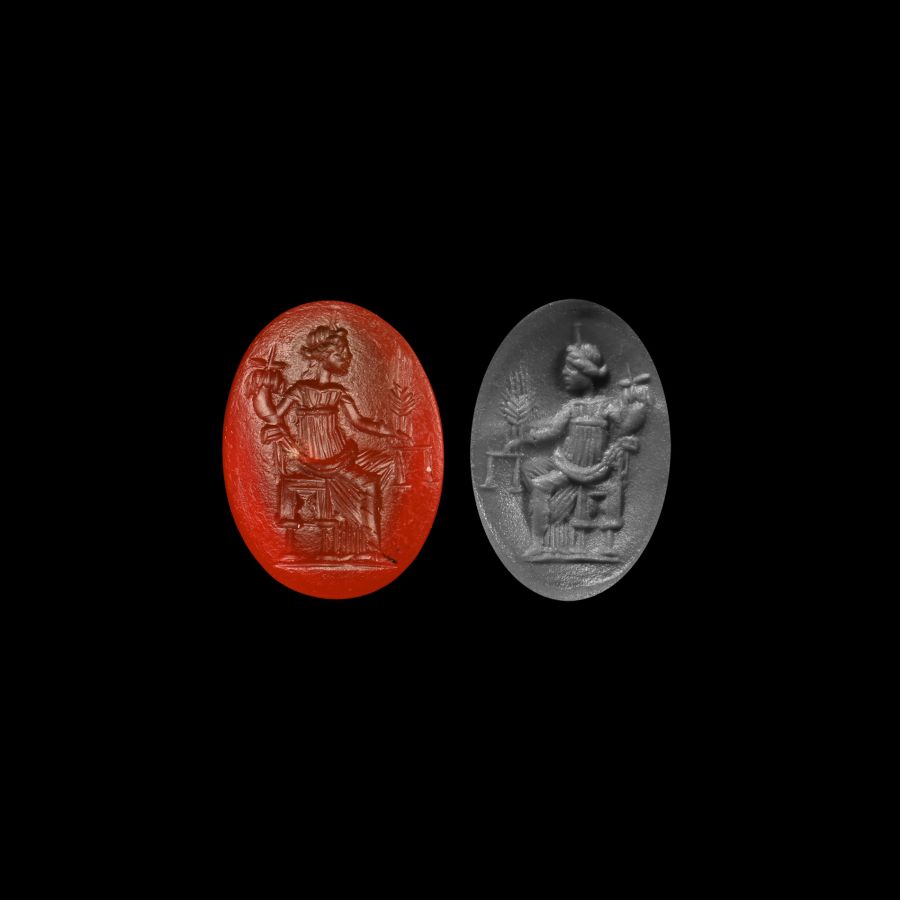
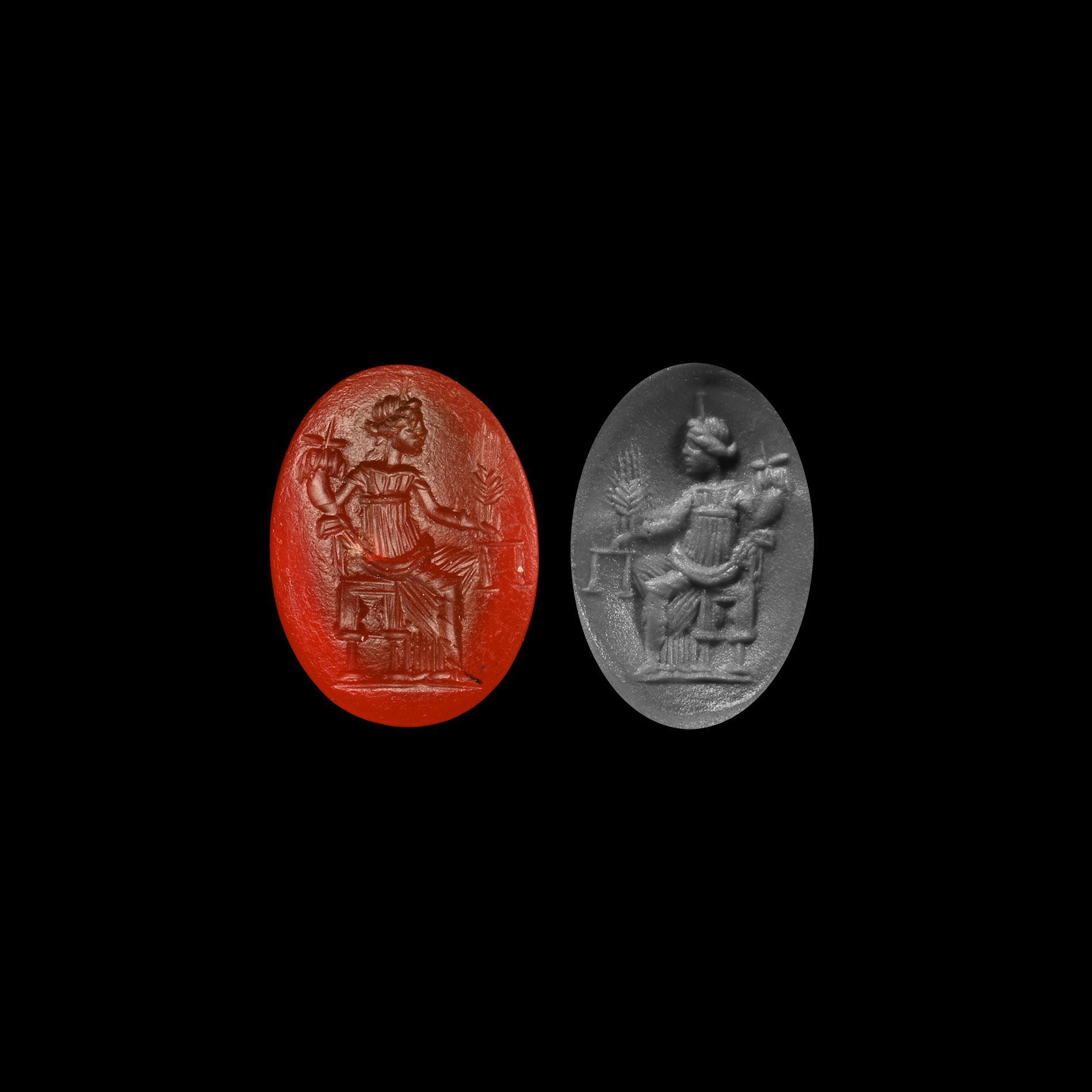
Roman Gemstone with Ceres
2ND-3RD CENTURY A.D.
1/2 in. (0.93 grams, 14 mm).
Oval-shaped with scene depicting the goddess Ceres seated right, holding a cornucopia and ears of corn with scales below, wearing a modius.
ProvenanceAltstetten collection since 1969.
FootnotesCeres was a goddess of agriculture, maternal relationships and fertility, and represents transition, motherhood and nurture. She was also the only one of ancient Rome's agricultural deities to be listed amongst the Dii Consentes, the Roman equivalent to the Twelve Olympians of Greek mythology.
CONDITIONTimeLine Auctions follows a vetting process to ensure the authenticity and legality of all items, reinforcing our commitment to integrity and responsible trading. Each antiquity, antique, and coin lot undergoes thorough examination by a vetting committee of at least ten external specialists, professional trade association members, scientists, and archaeologists: Our Vetting Process
AUCTIONS:
TimeLine is a leading auction house specialising in antiquities, ancient art, collectables, natural history, coins, medals, and books. Our auctions offer museums, collectors, historians, and enthusiasts the opportunity to acquire unique and historically significant pieces.
-

Roman Bronze Horse
2nd-3rd century A.D.Estimate: £700 - 900 (+bp*)
Opening Bid: £389
Modelled standing on a rectangular base, standing facing, tail hanging between legs, simple stylised facial detailing. 80 grams, 47 mm high
‘The Ancient Menagerie Collection’ formerly the property of a Cambridgeshire lady, collected since the 1990s and acquired from auctions and dealers throughout Europe and the USA, now ex London collection. -
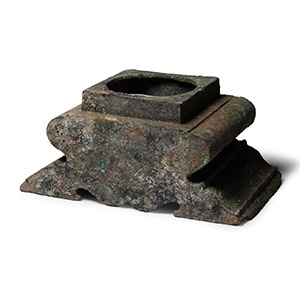
Roman Bronze Statue Base
Circa 2nd-3rd century A.D.Sold for (Inc. bp): £130
Featuring moulded legs and scalloped lower edge to front face; circular hole to the top; hollow-formed. 556 grams, 14.5 cm
Acquired 1990s-early 2000s. East Anglian private collection.
Some bronze supports found in the dedication shrines in temples are peculiar: they often have no frames of architectural derivation and have a central hole to the top. These bases seem to have not been intended for statuettes but for objects that may have needed support on a wall due to their height, possibly military standards, numerous fragments of which have been found in the Northern Italian regions. If this hypothesis is correct, this base could confirm the dedication of 'standards' as ex voto, positioned in the temple as a place for the conservation of military insignia. -
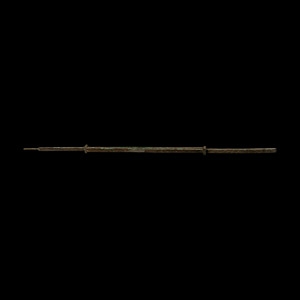
Roman Bronze Extendable Table Leg
2nd-3rd century A.D.Sold for (Inc. bp): £130
Composed of two rectangular-section bars with square-sockets. 2 kg total, 1.07 m
Acquired 1990s-early 2000s. East Anglian private collection.
These bars were one of the four supports of a folding table with a height-adjustable frame, often surmounted by busts of divinities. These folding supports for tables, bracers and cauldrons are known finds from important excavations in the Roman world, like Pompeii. The purpose of such folding stands varied; during a meal they were placed between the triclinium beds with bowls and plates hung to the hooks at the back of the holders.
