
Loading, please wait...
LOT 0600
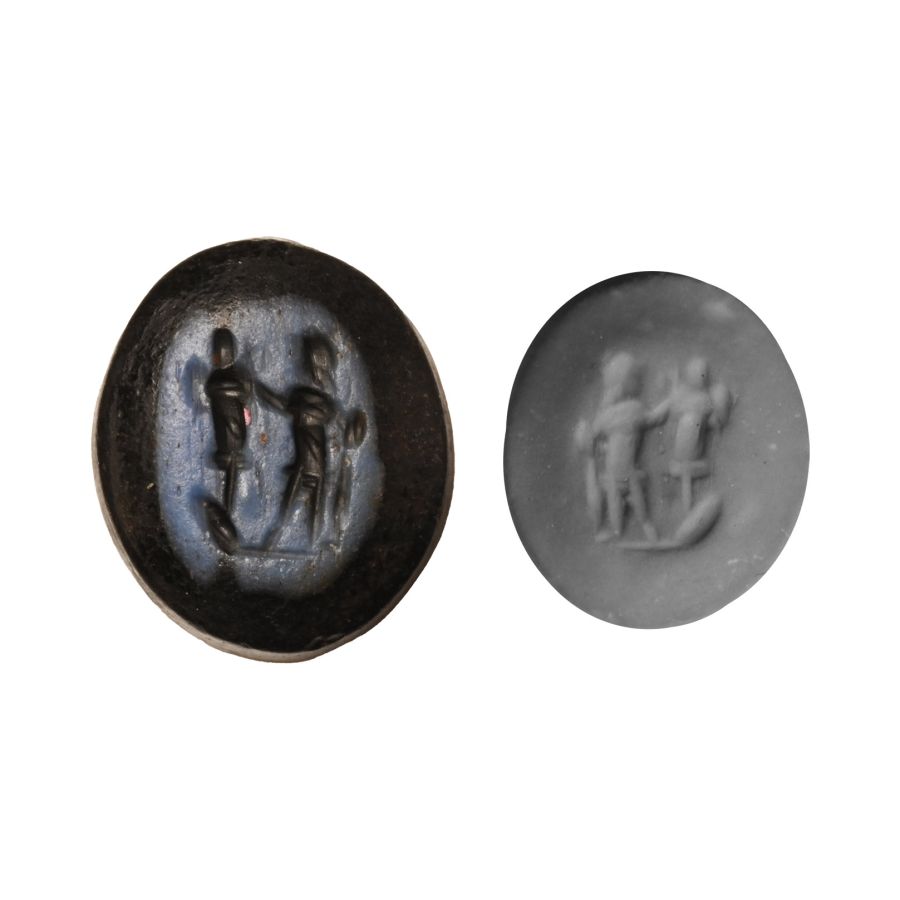
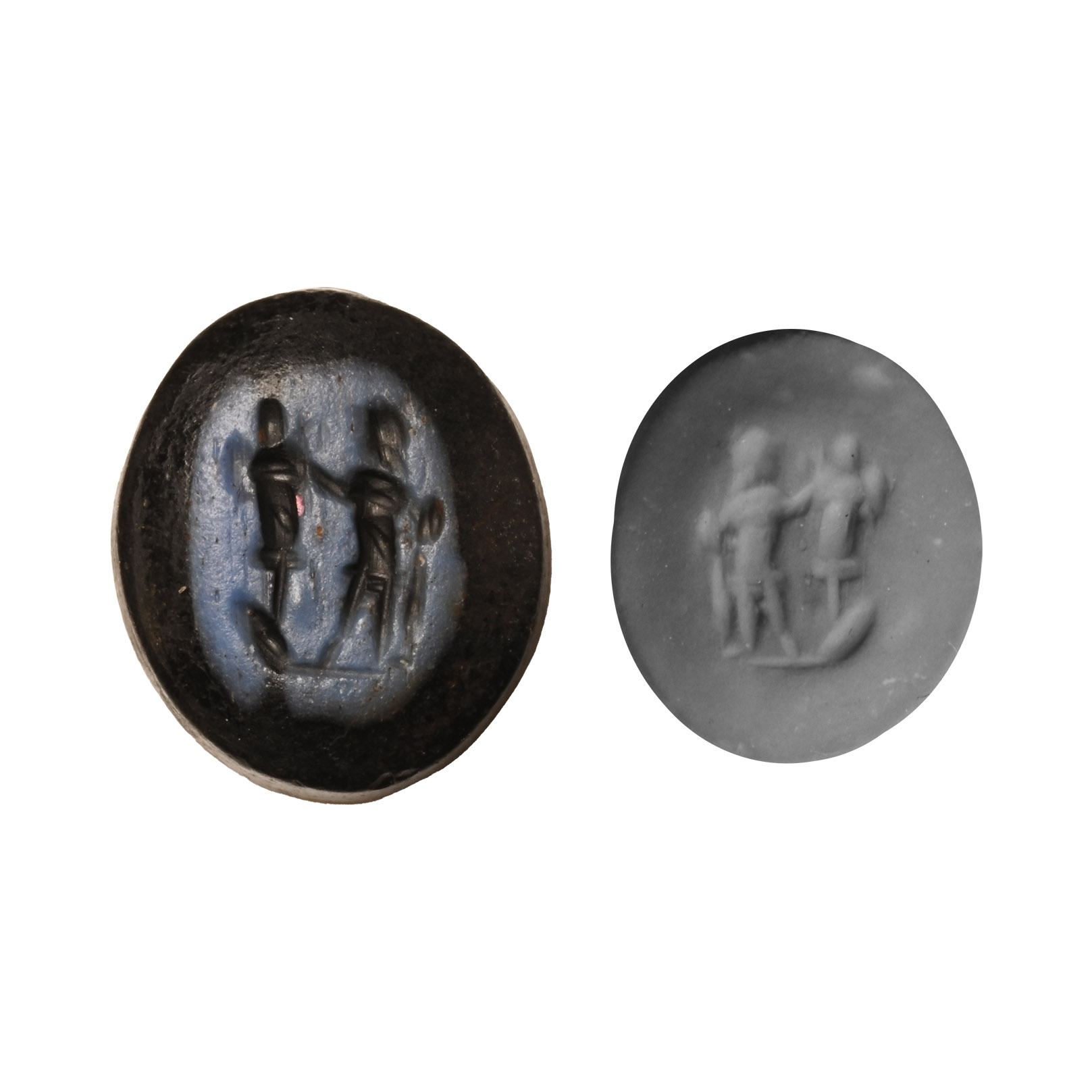
Roman Gem with Emperor with Trophy
2ND-3RD CENTURY A.D.
38 in. (0.56 grams, 11 mm).
Glass imitating nicolo with incuse motif of a triumphant emperor holding up a trophaeum; supplied with a museum-quality impression. [No Reserve]
ProvenanceFrom the Fadel family collection, London, UK, 1970s.
CONDITIONTimeLine Auctions follows a vetting process to ensure the authenticity and legality of all items, reinforcing our commitment to integrity and responsible trading. Each antiquity, antique, and coin lot undergoes thorough examination by a vetting committee of at least ten external specialists, professional trade association members, scientists, and archaeologists: Our Vetting Process
AUCTIONS:
TimeLine is a leading auction house specialising in antiquities, ancient art, collectables, natural history, coins, medals, and books. Our auctions offer museums, collectors, historians, and enthusiasts the opportunity to acquire unique and historically significant pieces.
-
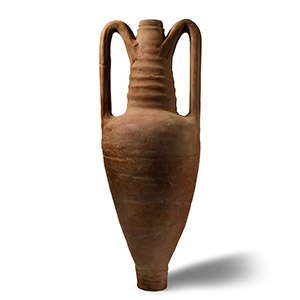
Large Roman Aegean Terracotta Amphora
Early 3rd century B.C.Sold for (Inc. bp): £1,950
Tall and with a narrow base, two sturdy ribbed strap handles and a conical neck with a stepped profile; restored. 7.8 kg, 69 cm
From a collection acquired on the UK art market from various auction houses and collections mostly before 2000. From an important Cambridgeshire estate; thence by descent. -
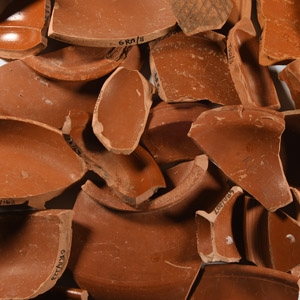
Romano-British Samian Ware Sherd Group
1st century A.D.Sold for (Inc. bp): £52
Including burnished rim and base fragments, all but two with inked or pencilled reference notations including 'Col' for Colchester, 'GRA' and BLACKFRIARS LEZ/52'. 1.12 kg total, 5.5-13.5 cm
Found UK. From the collection of a late East Anglian teacher and antiquarian who retired to the Isle of Wight in Hampshire, UK. He amassed a large collection of objects between the 1960s-1980s. -
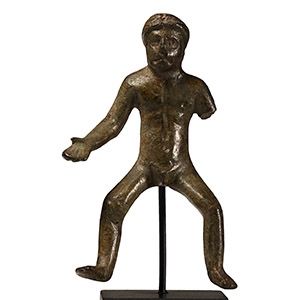
Gallo-Roman Bronze Statuette of a Rider God
1st century B.C.-1st century A.D.Sold for (Inc. bp): £182
Modelled in the round as a nude horseman with legs spread, musculature suggested to the chest and abdomen, shoulder-length hair with wavy locks, almond-shaped eyes and snub nose; right hand extended palm-upwards; mounted on a custom-made display stand. 154 grams total, 11 cm including stand
From a collection acquired on the UK art market from various auction houses and collections mostly before 2000. From an important Cambridgeshire estate; thence by descent.
The type has similarities with representations of Mercury on horseback, who is shown in an identical position. Images of Romano-Celtic rider-gods, possibly associated with the Roman god of war Mars, used similar iconography. There are a number of such rider statuettes from Roman Britain and Gaul, potentially votive offerings to a deity.
