
Loading, please wait...


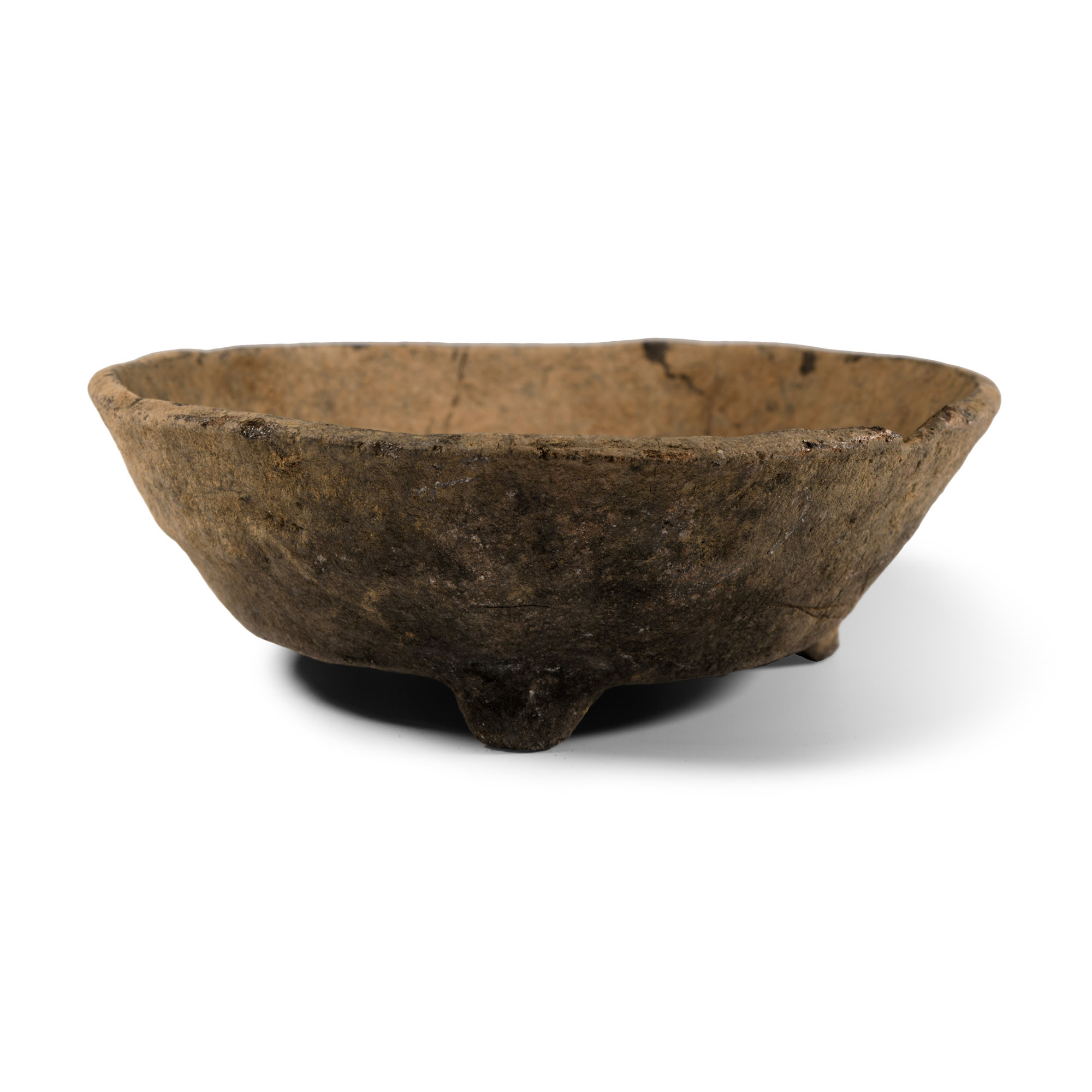
LOT 0949
Roman Footed Terracotta Bowl
2ND-4TH CENTURY A.D.
6 3/8 in. (371 grams, 16.2 cm wide).
Squat with squared rim, three stub feet, hole to base. [No Reserve]
ProvenanceFrom a collection acquired on the UK art market from various auction houses and collections mostly before 2000.
From an important Cambridgeshire estate; thence by descent.
TimeLine Auctions follows a vetting process to ensure the authenticity and legality of all items, reinforcing our commitment to integrity and responsible trading. Each antiquity, antique, and coin lot undergoes thorough examination by a vetting committee of at least ten external specialists, professional trade association members, scientists, and archaeologists: Our Vetting Process
AUCTIONS:
TimeLine is a leading auction house specialising in antiquities, ancient art, collectables, natural history, coins, medals, and books. Our auctions offer museums, collectors, historians, and enthusiasts the opportunity to acquire unique and historically significant pieces.
-
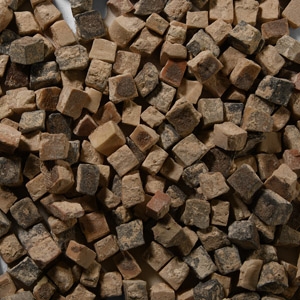
Roman Mosaic Stone Tesserae Group
1st-4th century A.D.Sold for (Inc. bp): £208
A mixed group of two hundred and fifty single tesserae of various colours and sizes, mainly cuboid 344 grams total, 8-14 mm
From a collection acquired on the UK art market from various auction houses and collections mostly before 2000. From an important Cambridgeshire estate; thence by descent. -
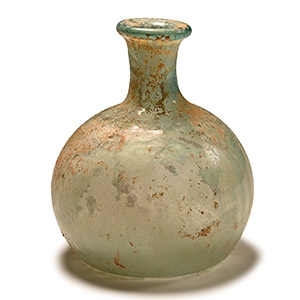
Roman Glass Toilet Bottle
1st century A.D.Sold for (Inc. bp): £195
With globular body, short everted rim and cylindrical neck, concave base. 73 grams, 10 cm
Ex London, UK, collection, 1980-1990s.
The bottle should be associated with Isings form 6 or Tommaso type 7. Small bottles of this typology are among the earliest known blown glass. The everted rim seems to distinguish examples made in Italy and the western Mediterranean provinces from those of the Eastern Mediterranean, on which the rim is usually folded in the form of a flange. -
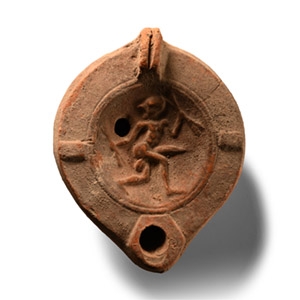
Roman Terracotta Oil Lamp with Ithyphallic Entertainer
2nd-3rd century A.D.Sold for (Inc. bp): £468
With lug handle and short nozzle, low-relief scene of a nude dancer running brandishing batons. 72 grams, 87 mm
From a London collection of erotica, formerly in the collection of the late Mr S.M., London, UK.
