
Loading, please wait...
LOT 0565
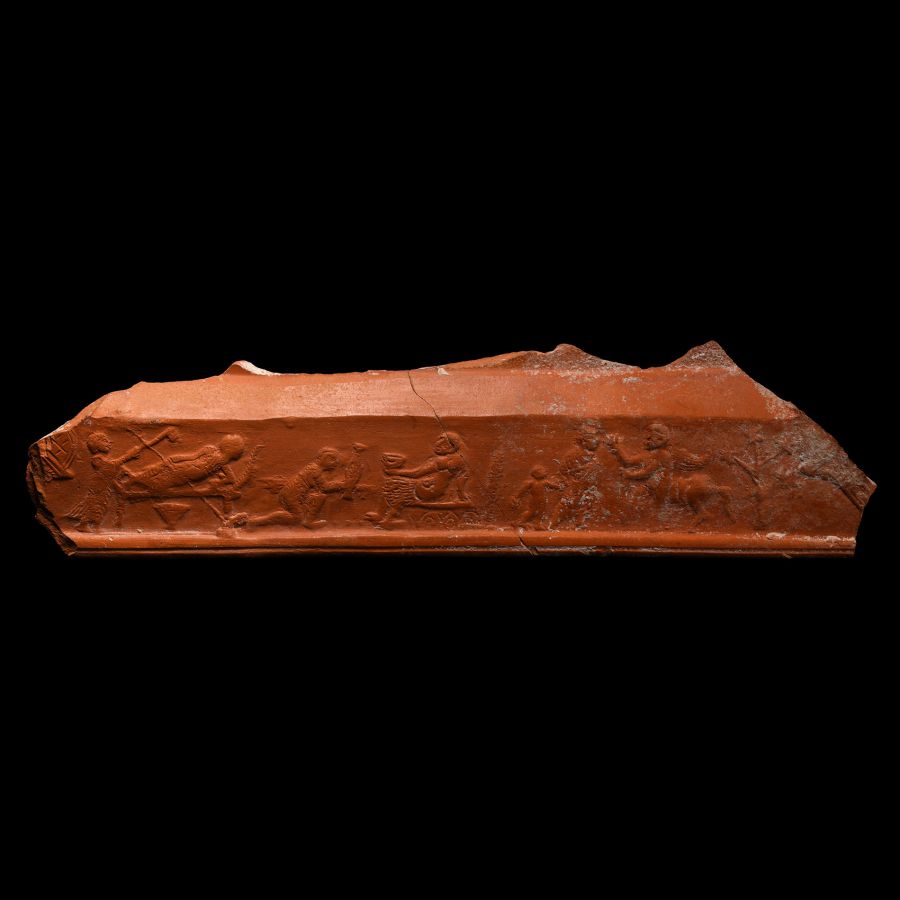
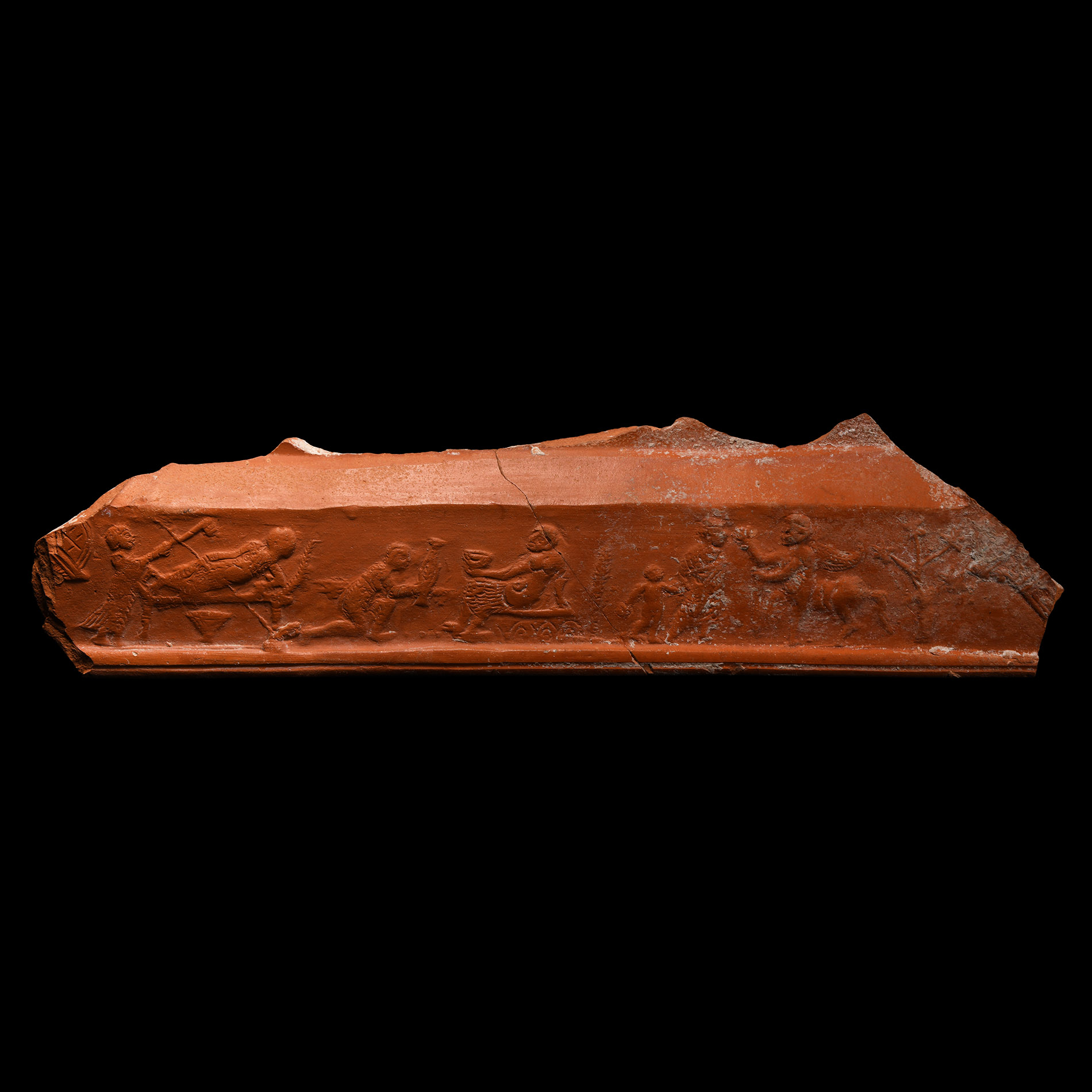
Roman Figural Redware Fragment
CIRCA 4TH CENTURY A.D.
11 3/4 in. (358 grams, 30 cm).
Displaying figures at a banquet (symposium) in relief, reclining on couches and being attended by servants; a centaur on the right; repaired. [No Reserve]
ProvenanceAcquired 1990s-early 2000s.
East Anglian private collection.
Cf. Francis, J., ‘Late Roman C Ware/Phocean Red Slip Pottery from the Cilicia Survey Project (Misis) Turkey’ in Gürtekin-Demir, R.G., Cevizoğlu H., Polat Y. and Polat G., Keramos, Ceramics: a cultural approach, Izimir, 2001, pp.73-82, figs.3a-3b, p.271.
FootnotesPossibly part of a flanged rectangular vessel, like some specimens found in Cilicia. The presence of a centaur in the scene could evoke the famous mythological fable of the centaurs at the banquet of the Lapiths, when the latter, together with the Athenian hero Theseus, offended by the immoral behaviour of the centaurs who had attempted to kidnap the women, slaughtered them all.
CONDITIONTimeLine Auctions follows a vetting process to ensure the authenticity and legality of all items, reinforcing our commitment to integrity and responsible trading. Each antiquity, antique, and coin lot undergoes thorough examination by a vetting committee of at least ten external specialists, professional trade association members, scientists, and archaeologists: Our Vetting Process
AUCTIONS:
TimeLine is a leading auction house specialising in antiquities, ancient art, collectables, natural history, coins, medals, and books. Our auctions offer museums, collectors, historians, and enthusiasts the opportunity to acquire unique and historically significant pieces.
-
.jpg)
Roman Bronze Bull Collection
1st-4th century A.D.Estimate: £200 - 300 (+bp*)
Opening Bid: £111
Formed free-standing with stylised anatomical detailing; including one example on a base. 47 grams total, 22-33 mm
‘The Ancient Menagerie Collection’ formerly the property of a Cambridgeshire lady, collected since the 1990s and acquired from auctions and dealers throughout Europe and the USA, now ex London collection. -
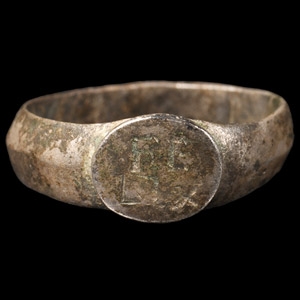
Roman Silver Ring with FELIX
1st century A.D.Sold for (Inc. bp): £169
Carinated hoop, stud bezel with incised with the Roman name 'FE/LIX'. 3.39 grams, 21.24 mm overall, 16.82 mm internal diameter (approximate size British M 1/2, USA 6 1/4, Europe 13.09, Japan 12)
Acquired on the EU art market around 2000. From the collection of a North American gentleman. -
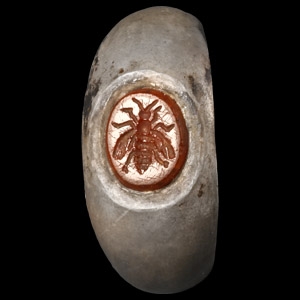
Roman Silver Ring with Bee Gemstone
2nd-3rd century A.D.Sold for (Inc. bp): £442
Broad hoop with inset carnelian intaglio of a bee. 12.47 grams, 26.81 mm overall, 21.33 mm internal diameter (approximate size British R, USA 8 1/2, Europe 18 3/4, Japan 18)
Acquired on the London art market, 1980s-1990s.
