
Loading, please wait...
LOT 0797
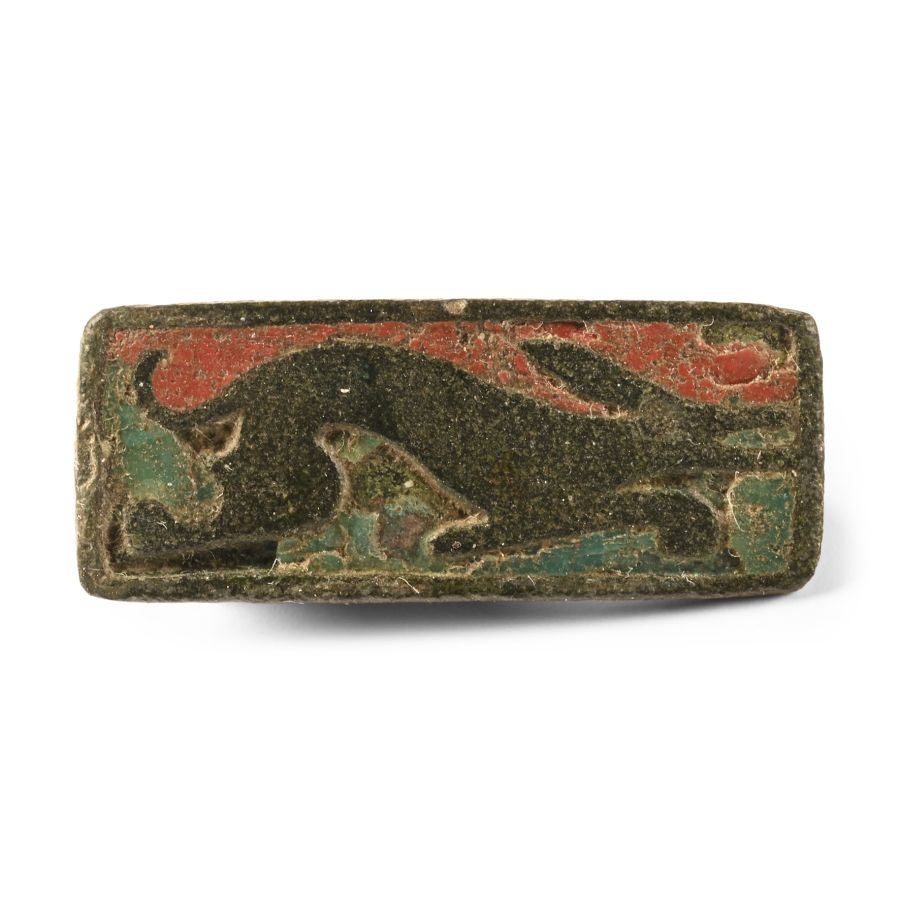
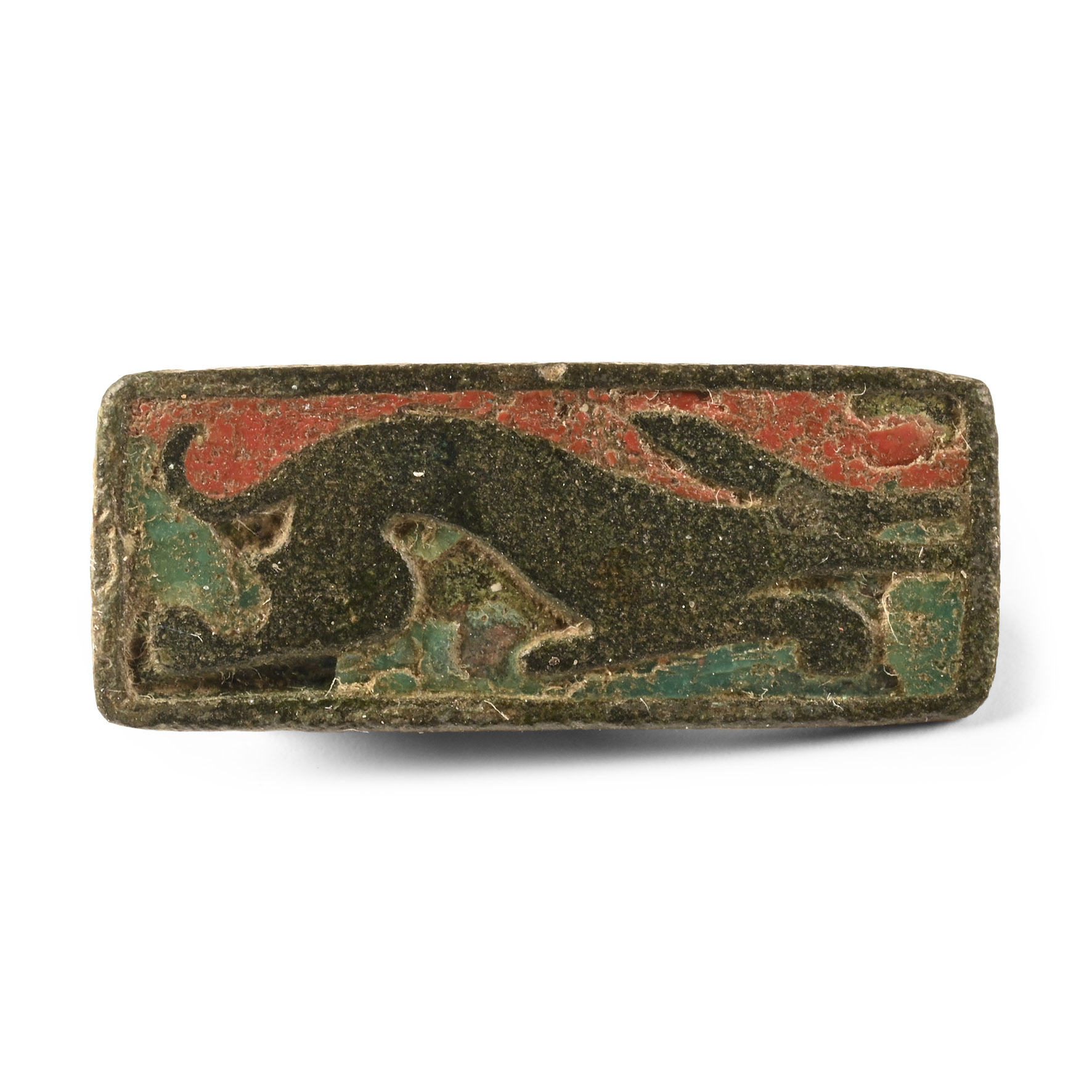
Roman Enamelled Bronze Hound Plate Brooch
CIRCA 2ND CENTURY A.D.
1 in. (4.6 grams, 27 mm).
Rectangular plate with reserved running hound in a two-cell panel, spring and catch to reverse; complete with pin. [No Reserve]
ProvenanceFound Wiltshire, UK, before 1974.
LiteratureCf. Heynowski, R., Bestimmungsbuch Archaeologie: Fibeln, Munich, 2012, item 4.2.1.4; Hattatt, R., Iron Age and Roman Brooches, Oxford, 1985, item 586.
CONDITIONTimeLine Auctions follows a vetting process to ensure the authenticity and legality of all items, reinforcing our commitment to integrity and responsible trading. Each antiquity, antique, and coin lot undergoes thorough examination by a vetting committee of at least ten external specialists, professional trade association members, scientists, and archaeologists: Our Vetting Process
AUCTIONS:
TimeLine is a leading auction house specialising in antiquities, ancient art, collectables, natural history, coins, medals, and books. Our auctions offer museums, collectors, historians, and enthusiasts the opportunity to acquire unique and historically significant pieces.
-
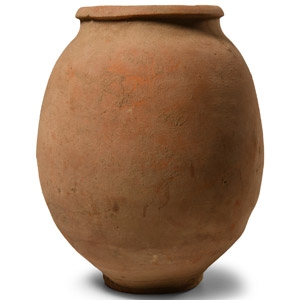
Roman Terracotta Jar
1st-4th century A.D.Sold for (Inc. bp): £78
Fusiform in profile with broad carinated mouth, slightly flared base. 1 kg, 19.5 cm
Acquired 1980-2015. Ex Abelita family collection. -
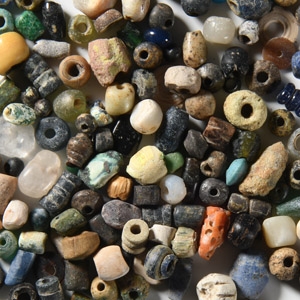
Roman Glass and Other Bead Group
1st-4th century A.D.Sold for (Inc. bp): £117
Including oblate, melon, tubular, fusiform and other types. 29 grams total, 2-11 mm
Acquired from Allan Cherry at the Birmingham Coin & Antiquities Fair, UK, in 2006. Ian Wilkinson collection, Nottinghamshire, UK. -
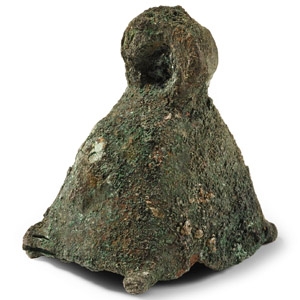
Roman Bronze Square Bell
1st-4th century A.D.Sold for (Inc. bp): £46
With integral loop and four spurs to the lower edge; remains of ferrous clapper in situ. 43.1 grams, 42 mm
Ex German art market, 2000s. Acquired from an EU collector living in London. From the collection of Surrey, UK, gentleman.
