
Loading, please wait...
LOT 0733
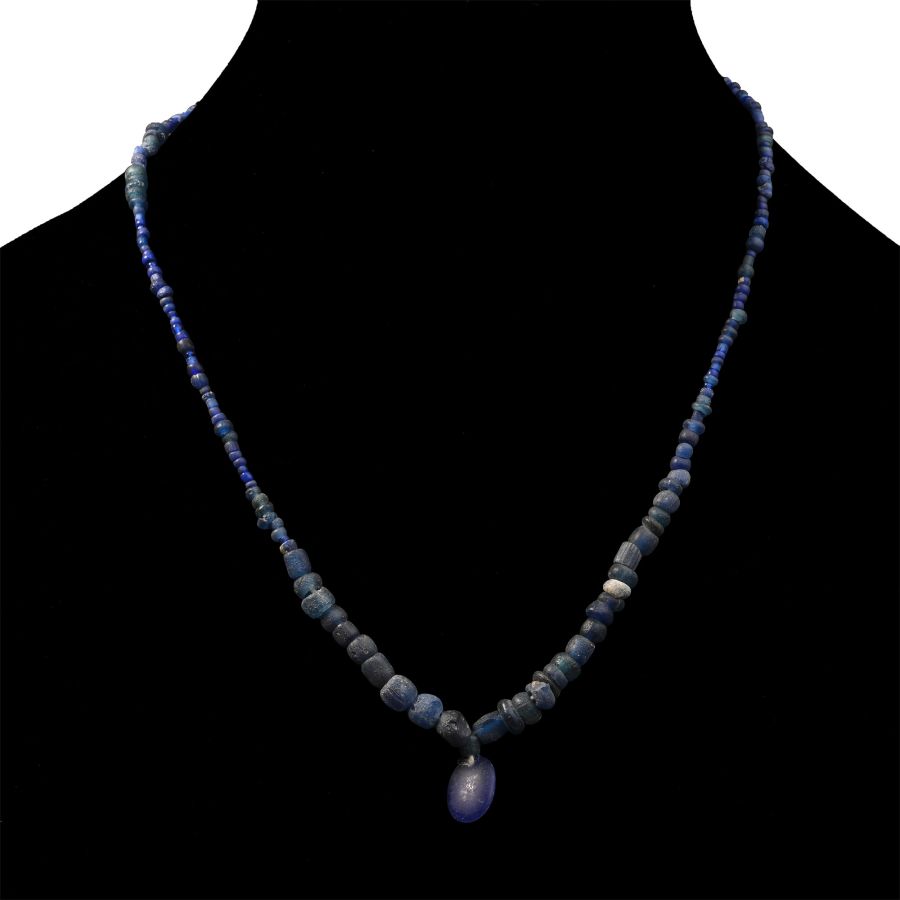
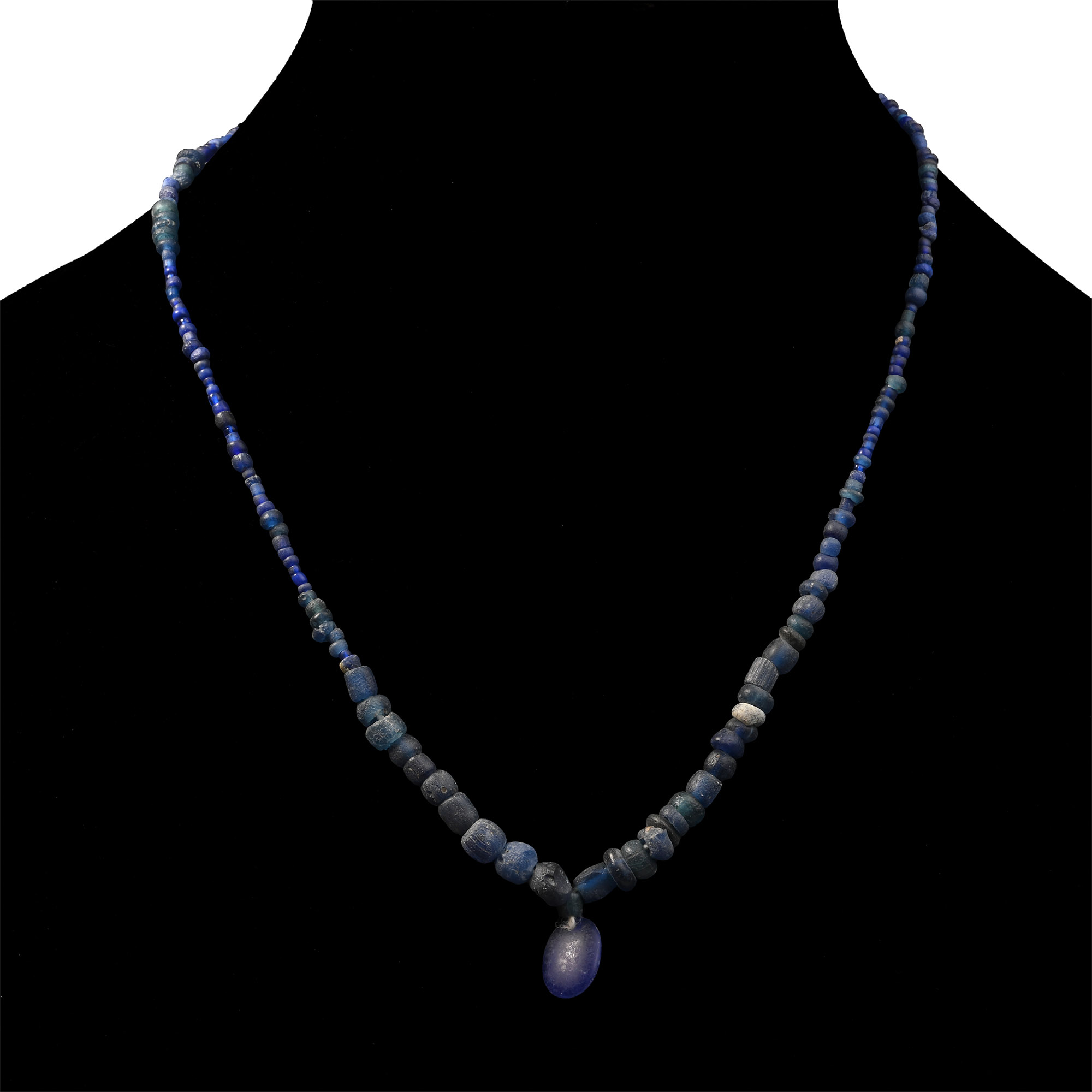
Roman Deep Blue Glass Bead Necklace String
1ST-4TH CENTURY A.D. AND LATER
17 1/8 in. (11.7 grams, 43.5 cm).
Restrung group of tubular, oblate and other types with tabular pendant centrepiece; including some 'Indo-Pacific' beads. [No Reserve]
ProvenanceLondon, UK, collection, 2000s.
CONDITIONTimeLine Auctions follows a vetting process to ensure the authenticity and legality of all items, reinforcing our commitment to integrity and responsible trading. Each antiquity, antique, and coin lot undergoes thorough examination by a vetting committee of at least ten external specialists, professional trade association members, scientists, and archaeologists: Our Vetting Process
AUCTIONS:
TimeLine is a leading auction house specialising in antiquities, ancient art, collectables, natural history, coins, medals, and books. Our auctions offer museums, collectors, historians, and enthusiasts the opportunity to acquire unique and historically significant pieces.
-
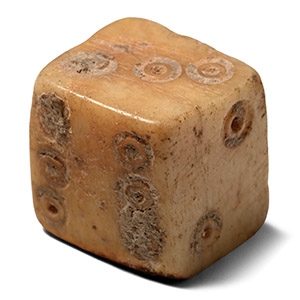
Roman Bone Gaming Dice
1st-2nd century A.D.Sold for (Inc. bp): £130
With incised ring-and-dot markings disposed 1:6, 2:5, 3:4. 4.1 grams, 12 x 13 mm
From a collection of gaming items, formed 1980-1990s. -
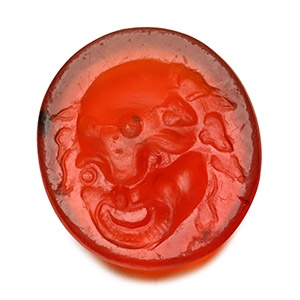
Roman Carnelian Gemstone of a Theatre Mask
1st century A.D.Sold for (Inc. bp): £2,210
With a New Comedy, The Cook Type theatre mask, facing with open mouth; supplied with a museum-quality impression. 0.39 grams, 10 mm
Private English collection, formed between the late 1970s and early 1990s. Private collection, London, UK. -
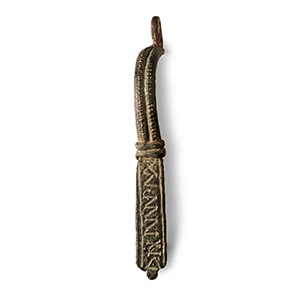
Roman Inscribed Bronze Bow Brooch
3rd-4th century A.D.Sold for (Inc. bp): £91
Colchester-type brooch shank with seriffed enigmatic legend 'DIXMNM'. 8.19 grams, 78 mm
Ex important German collection of brooches, 1980s. This lot is accompanied by an illustrated lot declaration signed by the Head of the Antiquities Department, Dr Raffaele D'Amato.
The inscription 'DIXMNM' is not easy to interpretate. MNM was possibly used as abbreviation for Dis Manibus Monumentum, i.e. ‘Monument to the spirit of the dead’. DIX was a shorter form for he/she/it said (dixit), but also refers sometimes to the numeral 12 (duodecimus).
