
Loading, please wait...

LOT 0777
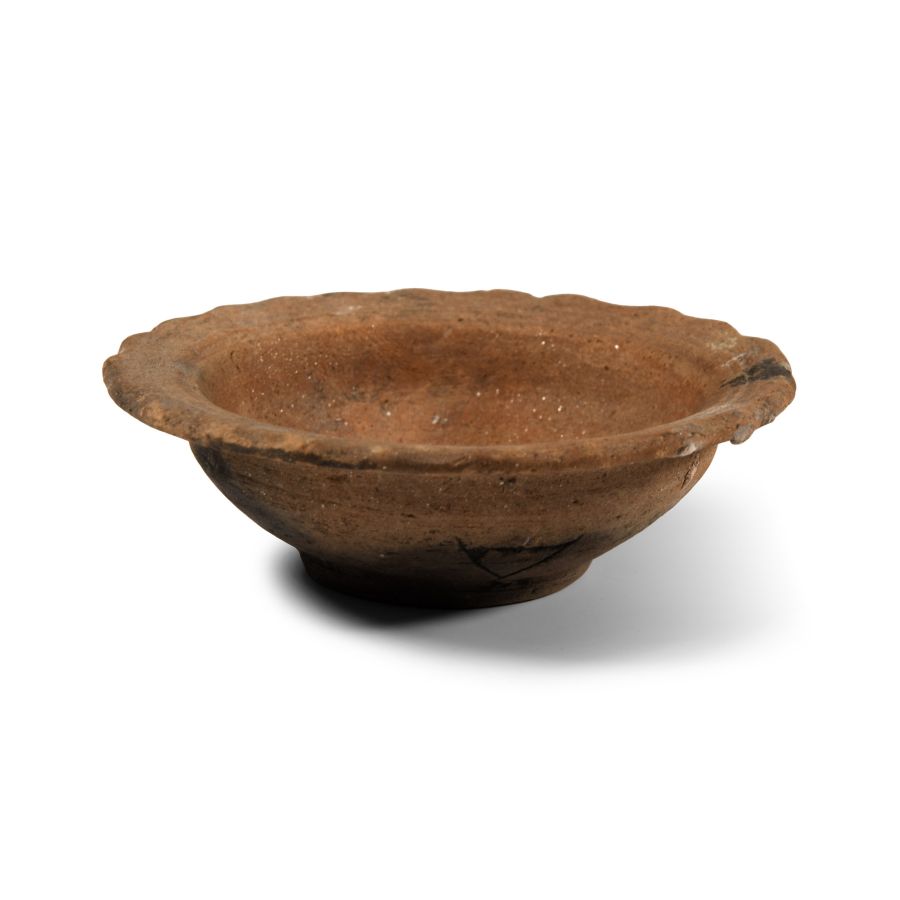
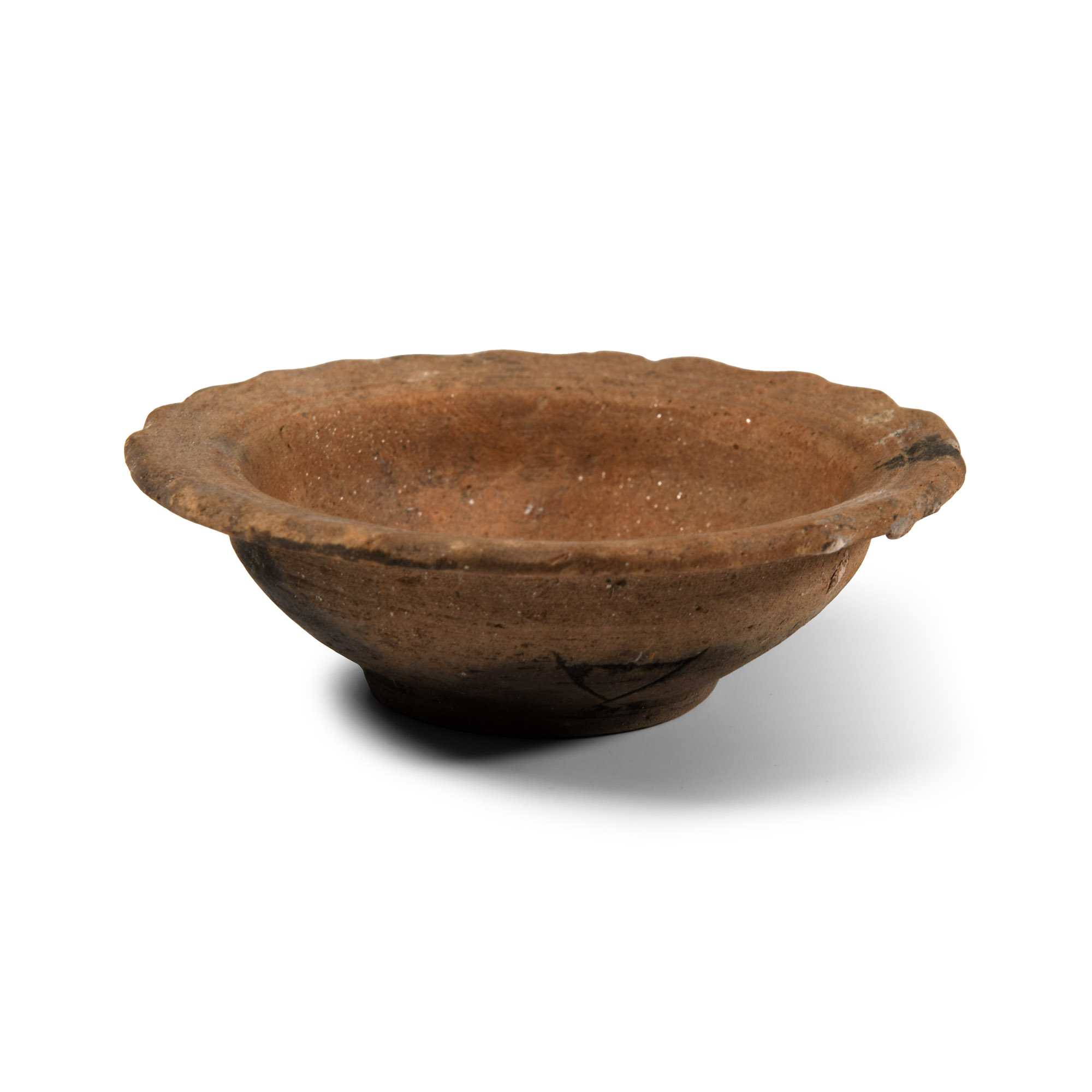
Roman Decorated Terracotta Dish
2ND-4TH CENTURY A.D.
4 3/8 in. (97 grams, 11.1 cm).
Squat in profile with low sidewall, basal ring, flared rim. [No Reserve]
ProvenanceFrom a collection acquired on the UK art market from various auction houses and collections mostly before 2000.
From an important Cambridgeshire estate; thence by descent.
TimeLine Auctions follows a vetting process to ensure the authenticity and legality of all items, reinforcing our commitment to integrity and responsible trading. Each antiquity, antique, and coin lot undergoes thorough examination by a vetting committee of at least ten external specialists, professional trade association members, scientists, and archaeologists: Our Vetting Process
AUCTIONS:
TimeLine is a leading auction house specialising in antiquities, ancient art, collectables, natural history, coins, medals, and books. Our auctions offer museums, collectors, historians, and enthusiasts the opportunity to acquire unique and historically significant pieces.
-
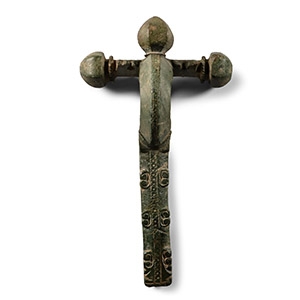
Roman Bronze Crossbow Brooch
4th century A.D.Sold for (Inc. bp): £117
With three facetted onion-shaped knops to the headplate and pierced scrolls to the upper face, deep bow, rectangular footplate with chamfered sides and scroll detailing, hinged pin to reverse and catch to rear of footplate. 51.5 grams, 84 mm
Ex German art market, 2000s. Acquired from an EU collector living in London. From the collection of Surrey, UK, gentleman. -
.jpg)
Roman Marble Draped Torso of Asclepius
2nd-3rd century A.D.Sold for (Inc. bp): £9,750
Modelled in the round statue of the god standing with chest uncovered, calf-length himation draped to the left shoulder and arm, secured at the waist, held by the left hand; mounted on a custom-made stand. 28 kg total, 61 cm including stand
Private collection, England. Accompanied by an academic report by Dr Raffaele D'Amato. This lot has been checked against the Interpol Database of stolen works of art and is accompanied by search certificate number no.12232-215644. -
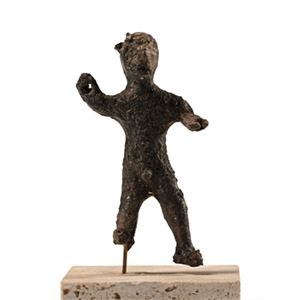
Roman Bronze Votive Statuette
1st century B.C.-1st century A.D.Sold for (Inc. bp): £78
Standing nude figure of a warrior with left hand extended, pierced to accept the grip of a shield, right hand raised, pierced to accept the shaft of a spear; mounted on a custom-made stand. 117 grams total, 82 mm including stand
From a collection acquired on the UK art market from various auction houses and collections mostly before 2000. From an important Cambridgeshire estate; thence by descent.
