
Loading, please wait...
LOT 0836
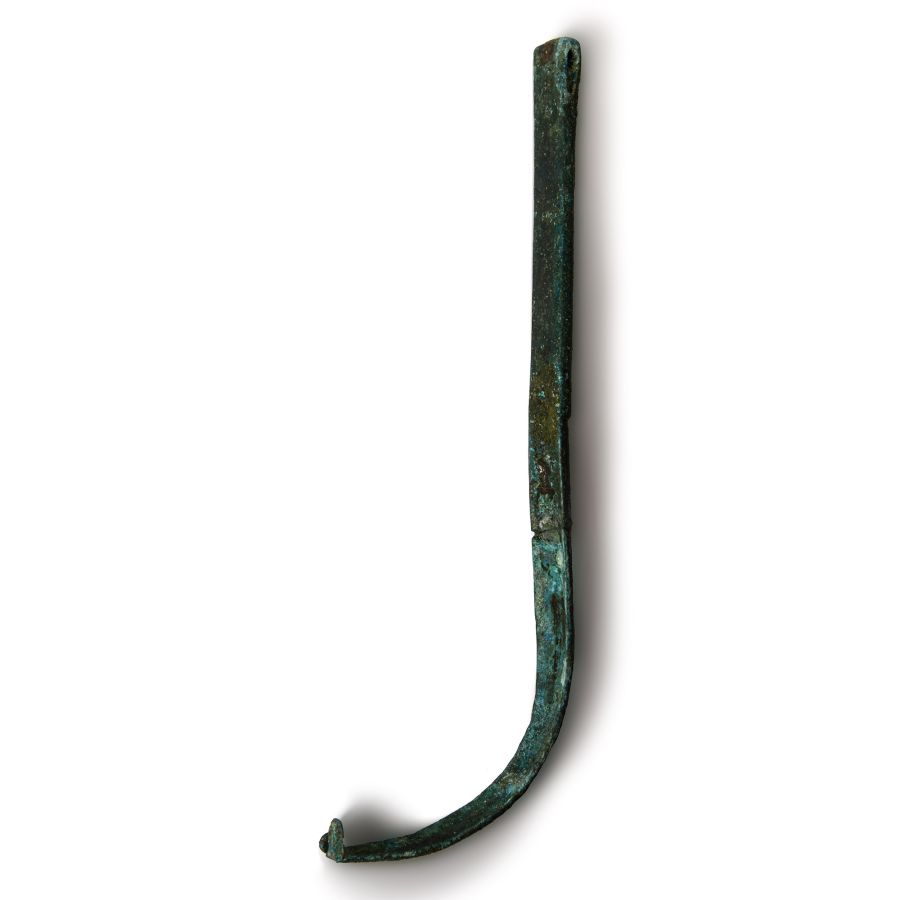
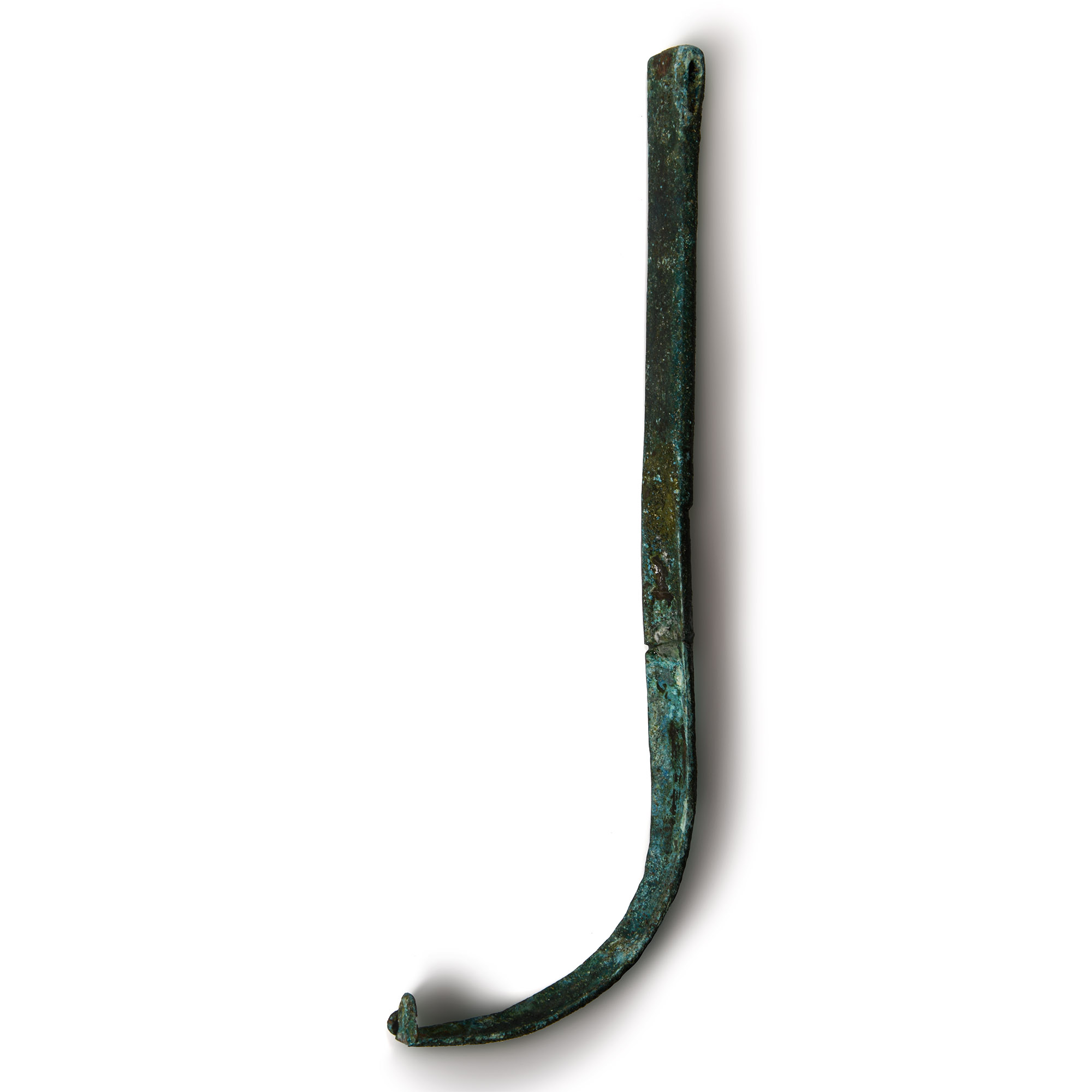
Roman Decorated Athlete's Bronze Strigil
1ST-2ND CENTURY A.D.
8 1/2 in. (90 grams, 21.5 cm).
With C-section scraper and handle with semi-circular profile, the handle engraved with a stylised fruiting vine, pierced for suspension, repaired.
ProvenanceEuropean art market before 2000.
Acquired on the UK art market.
Ex collection of a Surrey, UK, gentleman.
TimeLine Auctions follows a vetting process to ensure the authenticity and legality of all items, reinforcing our commitment to integrity and responsible trading. Each antiquity, antique, and coin lot undergoes thorough examination by a vetting committee of at least ten external specialists, professional trade association members, scientists, and archaeologists: Our Vetting Process
AUCTIONS:
TimeLine is a leading auction house specialising in antiquities, ancient art, collectables, natural history, coins, medals, and books. Our auctions offer museums, collectors, historians, and enthusiasts the opportunity to acquire unique and historically significant pieces.
-
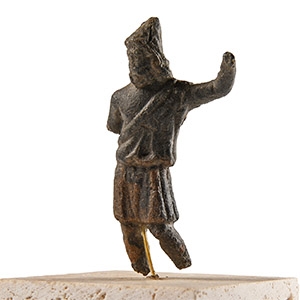
Roman Bronze Vulcan Statuette
1st-2nd century A.D.Sold for (Inc. bp): £312
Standing wearing a tunic draped from the left shoulder and a conical hat, left arm extended at shoulder-height; mounted on a custom-made stand. 110 grams total, 71 mm including stand
From a collection acquired on the UK art market from various auction houses and collections mostly before 2000. From an important Cambridgeshire estate; thence by descent. -
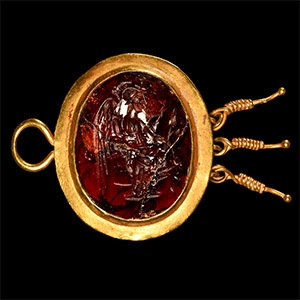
Roman Gold Pendant with Garnet Gemstone Depicting Victory
Circa 1st-2nd century A.D.Sold for (Inc. bp): £1,950
Comprising an oval cell with an applied suspension loop and three coiled drops below; set with a garnet cabochon engraved with a winged figure of the goddess Victoria (Victory), wearing a plumed helmet and holding arrows in her extended hand; stone cracked. 4.59 grams, 34 mm
Acquired from Royal Athena Gallery. From a major London, UK, collection, 1970s. Ex property of a North London, UK, gentleman. Accompanied by a previous catalogue information slip.
The winged goddess of victory not only represented a specific deity, but for the Romans she was the symbol of Rome's invincibility. She was not only the emperor's permanent companion but his guarantee for his success in military campaigns. For this reason she was frequently represented on monuments, standards and on coins, gems and statuettes. -
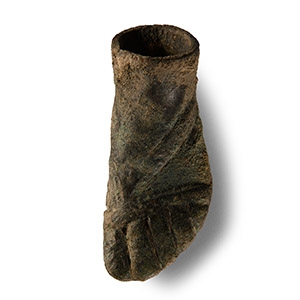
Roman Bronze Mercury Votive Foot
1st-2nd century A.D.Sold for (Inc. bp): £85
Hollow-formed with raised posture, low-relief detailed strapping. 92 grams, 70 mm
Property of a Gloucestershire, UK, collector. Property of an East Sussex, UK, gentleman.
