
Loading, please wait...
LOT 0594
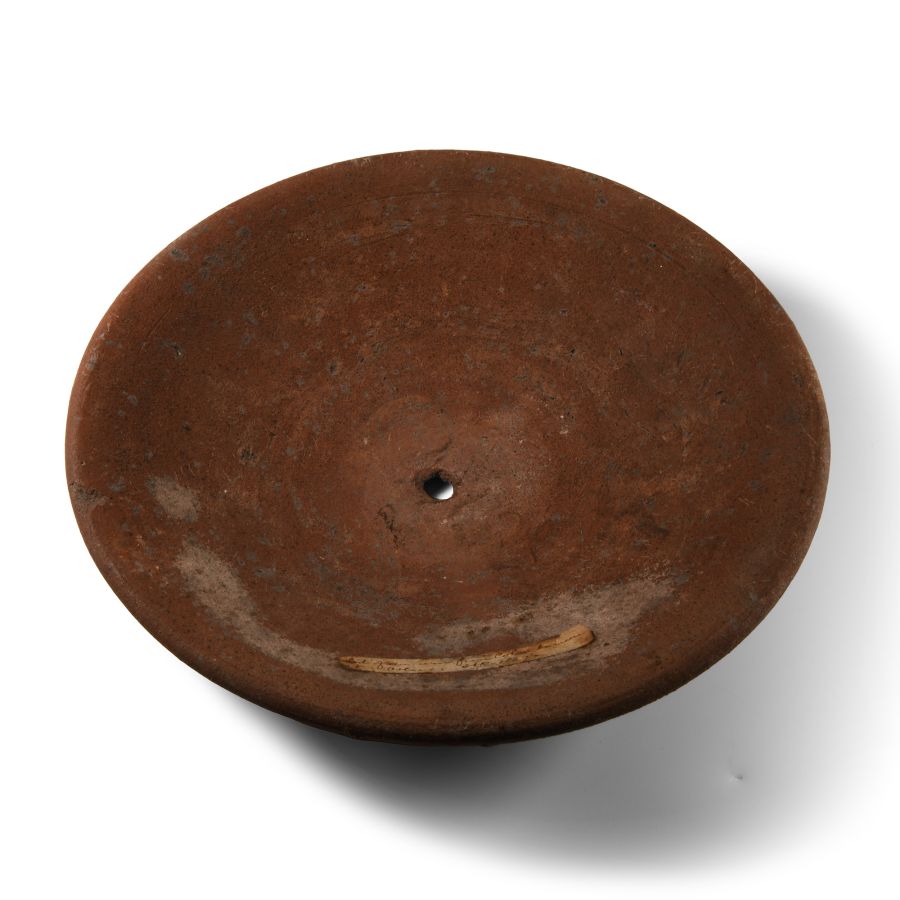
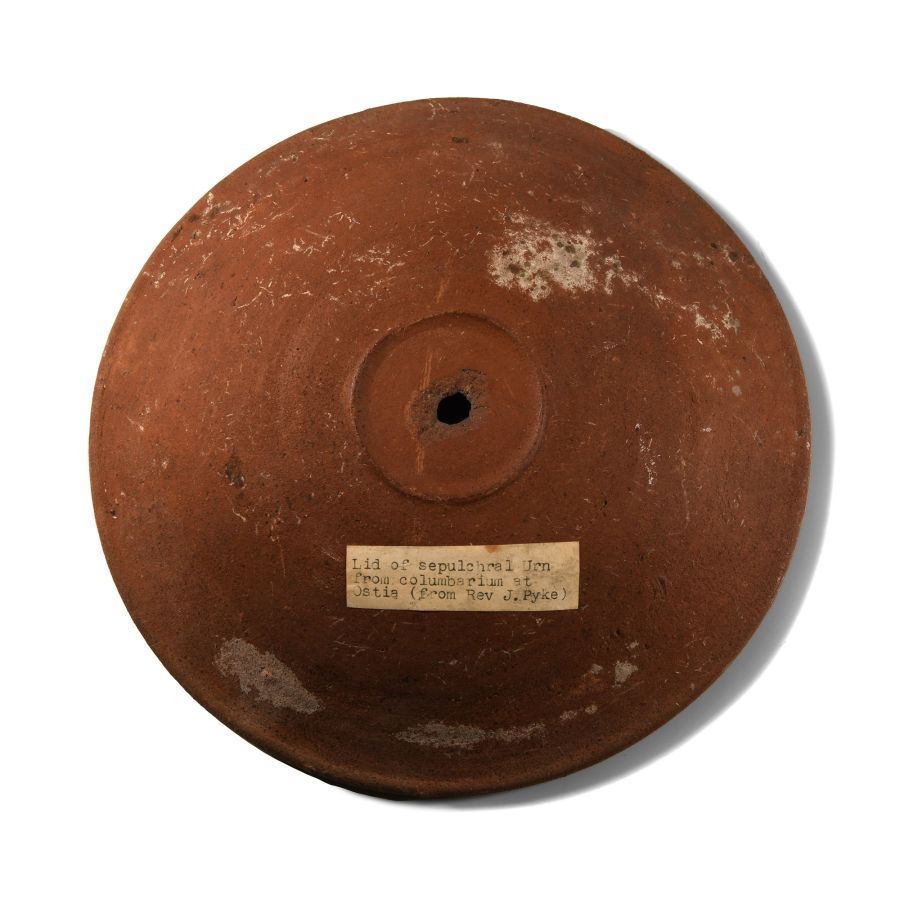
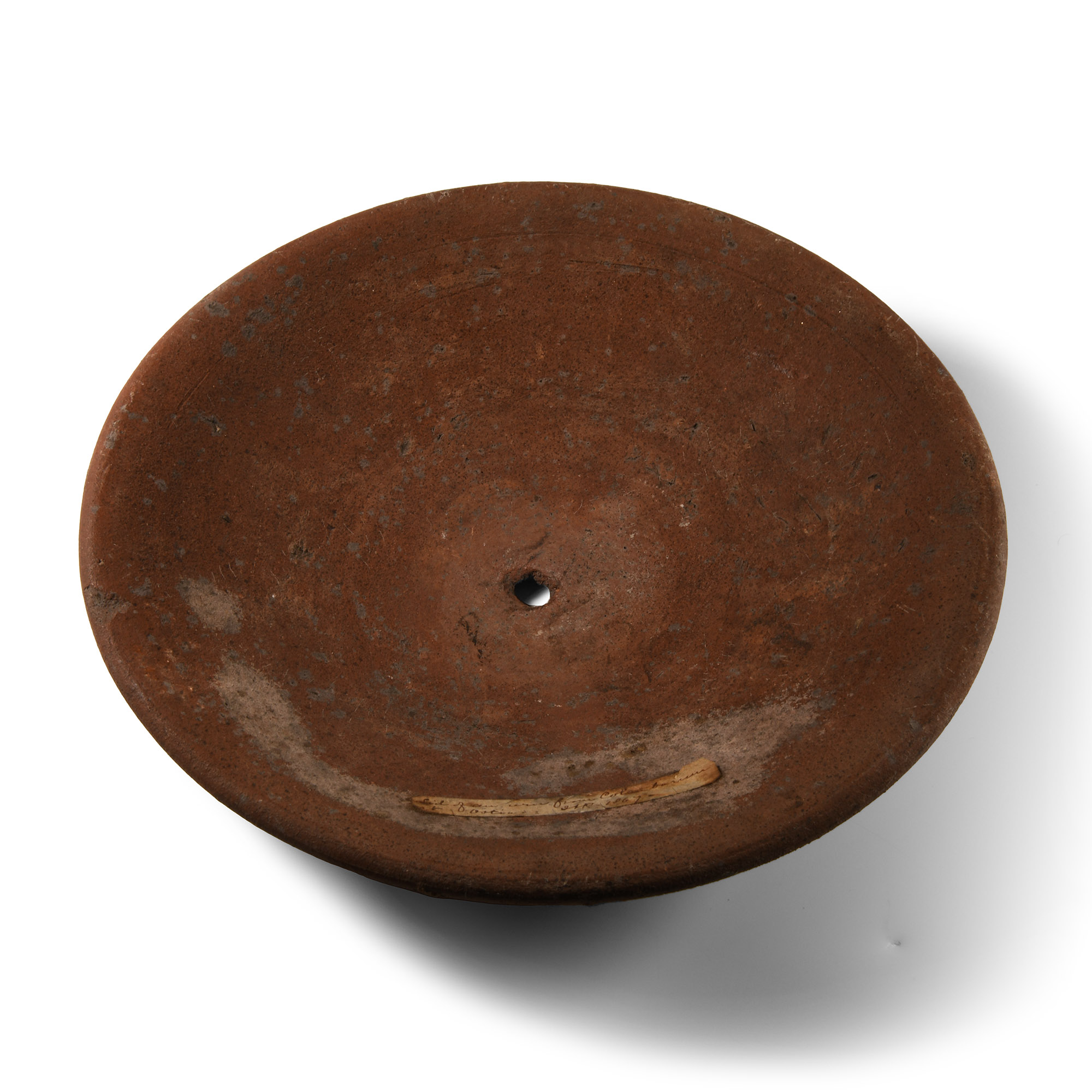
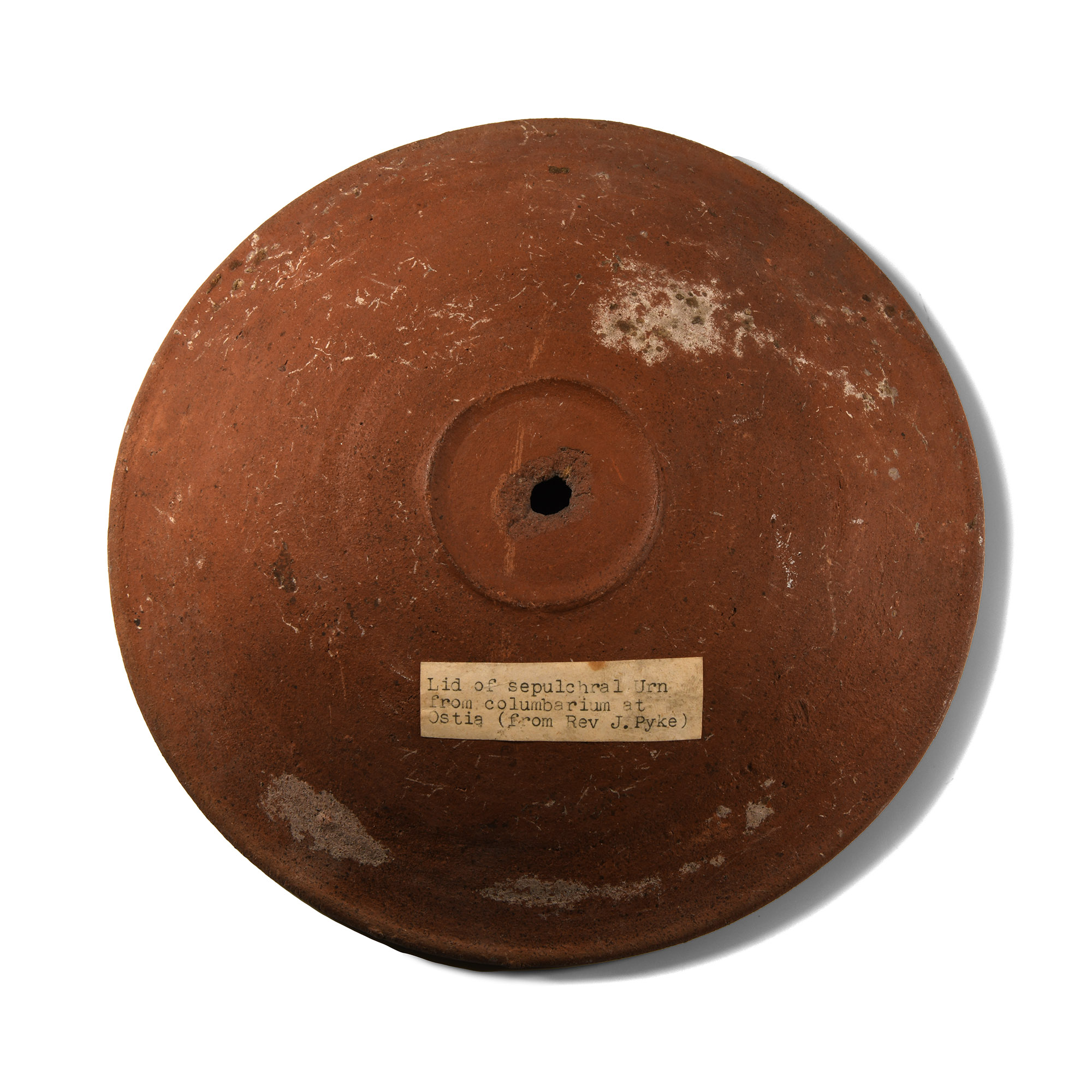
Roman 'Columbarium at Ostia' Terracotta Sepulchral Urn Lid
1ST-4TH CENTURY A.D.
8 1/4 in. (492 grams, 21 cm).
Of domed profile with central vent; old handwritten label to reverse 'Lid from an urn from Columbarium at Ostia. [...] 1867' and another, typed, to the obverse 'Lid of sepulchral Urn from Columbarium at Ostia (From Rev. J. Pyke'. [No Reserve]
ProvenanceFound Columbarium at Ostia, Italy, in 1867.
From the 19th century collection of Rev J. Pyke.
From the collection of a late East Anglian teacher and antiquarian who retired to the Isle of Wight in Hampshire, UK.
He amassed a large collection of objects between the 1960s-1980s.
TimeLine Auctions follows a vetting process to ensure the authenticity and legality of all items, reinforcing our commitment to integrity and responsible trading. Each antiquity, antique, and coin lot undergoes thorough examination by a vetting committee of at least ten external specialists, professional trade association members, scientists, and archaeologists: Our Vetting Process
AUCTIONS:
TimeLine is a leading auction house specialising in antiquities, ancient art, collectables, natural history, coins, medals, and books. Our auctions offer museums, collectors, historians, and enthusiasts the opportunity to acquire unique and historically significant pieces.
LOT 0594
Roman 'Columbarium at Ostia' Terracotta Sepulchral Urn Lid
Sold for (Inc. bp): £46
-
Roman Gold Earring Pair
1st-4th century A.D.Sold for (Inc. bp): £182
Each a flat-section band with hook-and-eye closure. 0.95 grams total, 12-13 mm
Ian Wilkinson collection, Nottinghamshire, UK, formed since 1985. -
Roman 'East Anglia' Bronze Bust of Minerva
1st-3rd century A.D.Sold for (Inc. bp): £91
Modelled in the round with crested helmet. 12.9 grams, 42 mm
Found whilst searching with a metal detector in East Anglia, UK. -
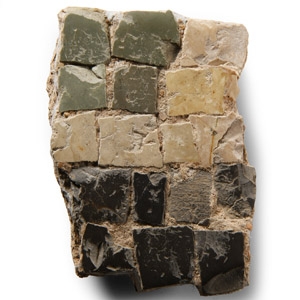
Roman Floor Mosaic Section
North Africa, 2nd century A.D.Sold for (Inc. bp): £208
With portion of original matrix and five rows of tesserae in grey, black, cream and white. 213 grams, 79 mm
Acquired Tunisia, North Africa. From a pre World War II collection, thence by descent. Ian Wilkinson collection, Nottinghamshire, UK, formed since 1985.
In African mosaics, combinations of black and white and cream tessellated mosaics often form the borders of important mosaics, such as those of El Jem, representing the love between Satyrs and Bacchants, or the myth of Leda and the Swan.
